
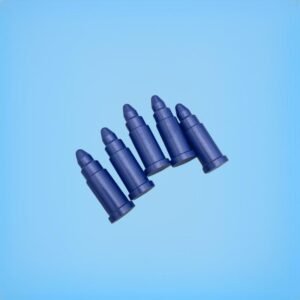
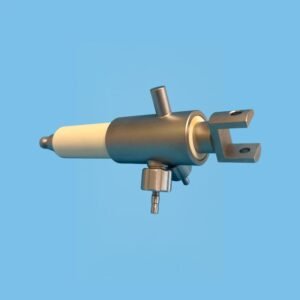
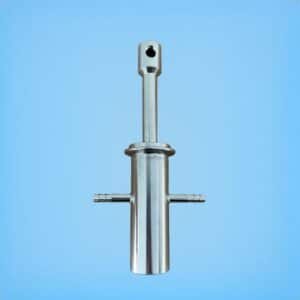
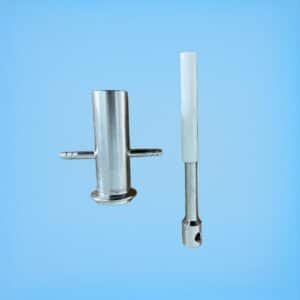
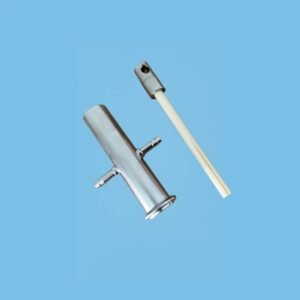
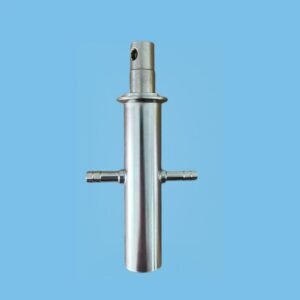
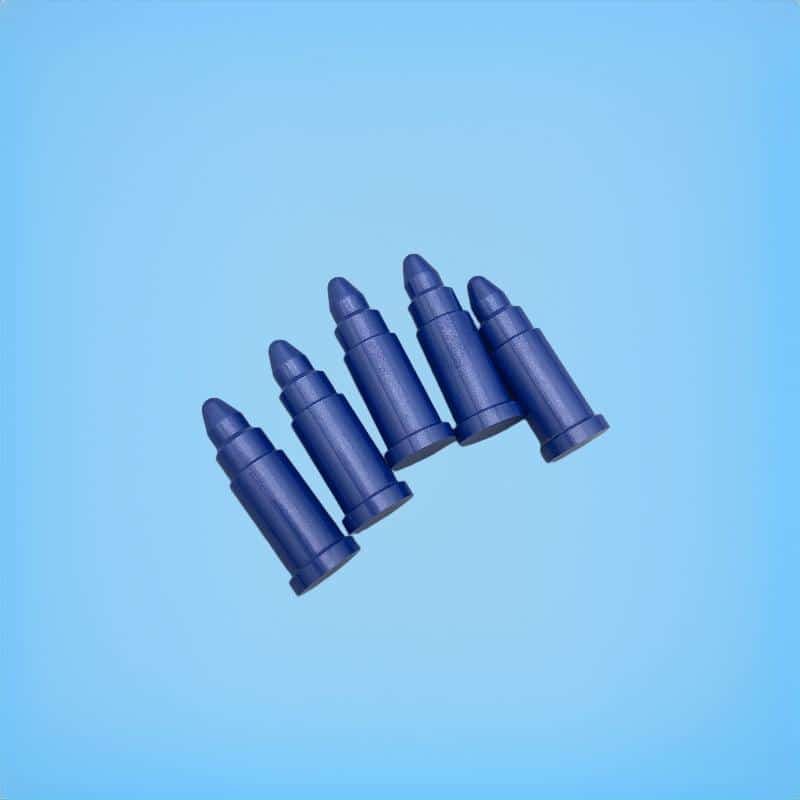
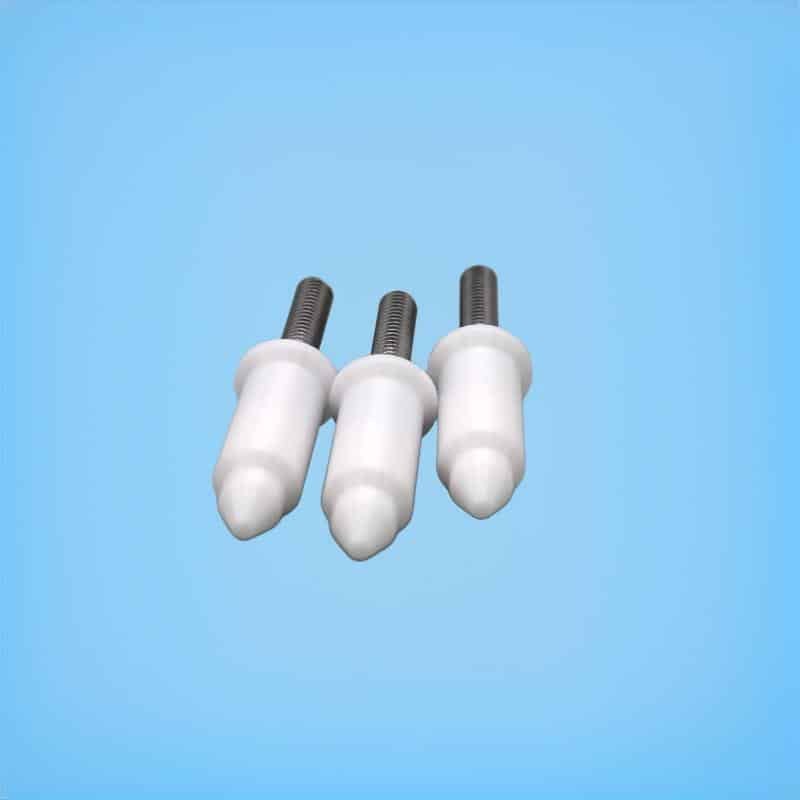
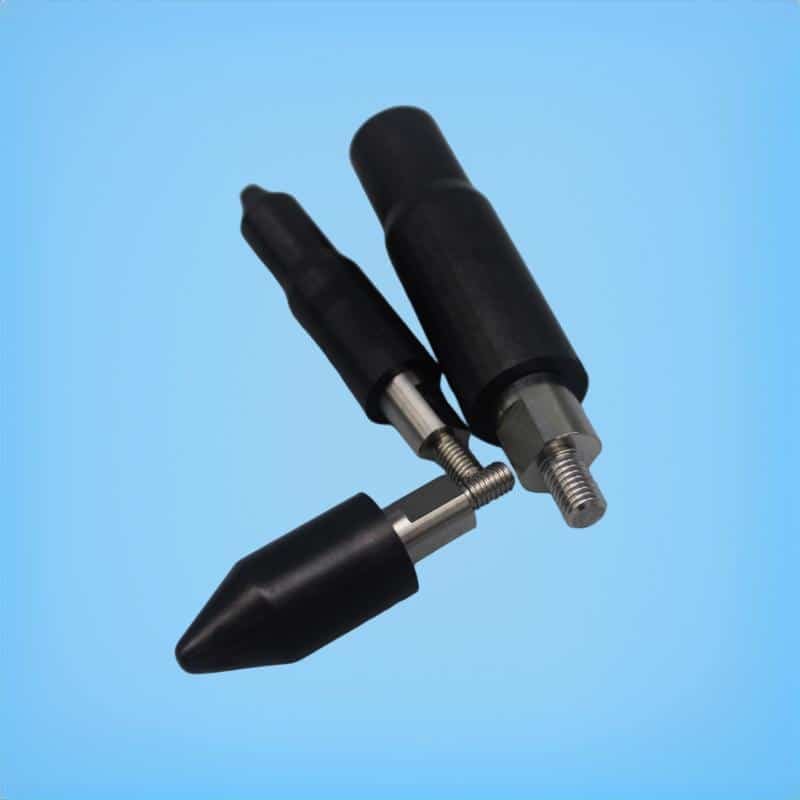
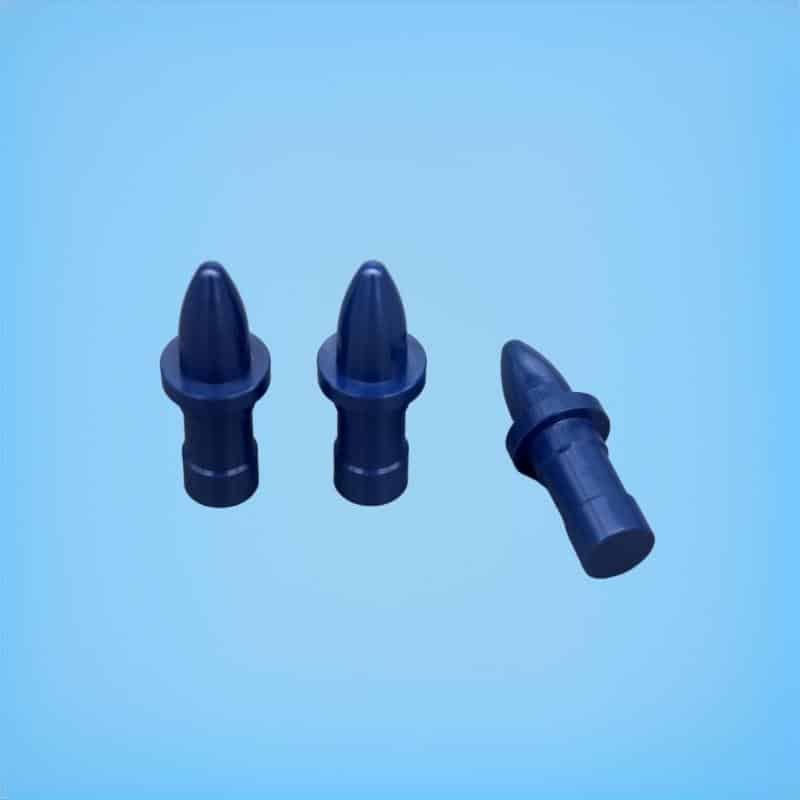
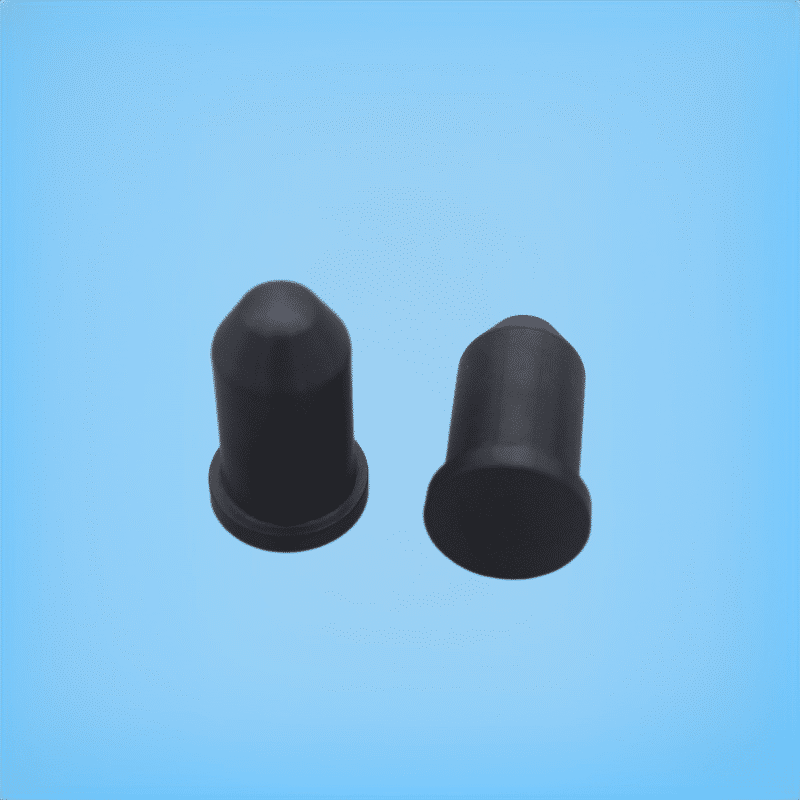
JuchangCeramic manufactures precision ceramic pins for industrial positioning,
alignment, guiding and wear-resistant applications. Our product range includes
alumina ceramic dowel pins, zirconia ceramic locating pins and custom machined
ceramic guide pins engineered to meet specific dimensional and operating requirements.
As a ceramic pin manufacturer and custom ceramic dowel pin supplier, we provide
OEM machining services based on technical drawings, physical samples or application
requirements. From ceramic material selection to precision grinding, we help
customers develop ceramic components for automation equipment, industrial fixtures
and fluid-handling systems.
Available materials: 95% and 99% alumina, yttria-stabilized zirconia.
Available designs: Cylindrical, stepped, grooved and chamfered pins.
Customization: Diameter, length, geometry, surface finish and tolerance.
What Is a Ceramic Pin?
A ceramic pin is a precision-engineered component used to locate, align, support
or guide parts in industrial machinery and manufacturing equipment. Compared with
conventional metal pins, technical ceramic pins can offer a useful combination of
hardness, electrical insulation, chemical resistance and wear performance, depending
on the ceramic grade and operating conditions.
The terms ceramic locating pin, ceramic dowel pin and ceramic guide pin describe
overlapping but slightly different functions. A locating pin establishes a repeatable
position, a dowel pin aligns components during assembly, and a guide pin directs
movement or insertion. The appropriate design depends on the required fit, contact
conditions, loads and working environment.
Precision ceramic pins are used in automated assembly equipment, positioning fixtures,
inspection systems, semiconductor-related machinery and selected pump assemblies.
Where fluid handling is involved, they can complement components such as a
ceramic pump
or other precision ceramic fluid-control parts.
Alumina Ceramic Pin vs. Zirconia Ceramic Pin
Material selection is a critical step in designing a custom ceramic locating pin.
Alumina and zirconia are both established engineering ceramics, but their properties
make them suitable for different applications. The final choice should consider
mechanical loading, wear mechanisms, temperature, chemical exposure, electrical
requirements and total component cost.
Alumina Ceramic Dowel Pin
Alumina ceramic pins are suitable for applications requiring high hardness,
electrical insulation and good chemical resistance. They are often considered
for positioning fixtures, assembly equipment and insulating stations where
dimensional stability and cost-effective ceramic performance are priorities.
- Available grades: 95% and 99% alumina.
- High hardness and electrical insulation.
- Good resistance to many corrosive environments.
- Suitable for selected fixture and pump applications.
Zirconia Ceramic Locating Pin
Yttria-stabilized zirconia is known for its comparatively high fracture toughness
among common technical ceramics. It is a strong candidate for applications
involving repeated contact, demanding wear conditions or a need for improved
resistance to mechanical damage.
- Material: Yttria-stabilized zirconia.
- High toughness relative to many conventional ceramics.
- Good wear performance in properly designed applications.
- Suitable for selected high-cycle guiding and positioning systems.
for every high-wear application, and alumina is not suitable for every corrosive
medium. Share the operating temperature, contact load, mating material and chemical
environment when requesting a recommendation.
Technical Specifications of Precision Ceramic Pins
The following table summarizes the target specifications provided for our alumina
ceramic dowel pins and zirconia ceramic locating pins. Actual achievable values depend
on dimensions, geometry, material grade, manufacturing process and inspection method.
Please confirm critical specifications against the final drawing before ordering.
| Specification | Alumina Ceramic (Al₂O₃) | Zirconia Ceramic (ZrO₂) |
|---|---|---|
| Material Grade | 95% / 99% Alumina | Yttria-stabilized zirconia |
| Hardness | HRA 88–92 | HRA 87–90 |
| Density | 3.7–3.95 g/cm³ | 6.0–6.05 g/cm³ |
| Key Characteristics | High hardness, electrical insulation, chemical resistance, non-magnetic | High toughness, wear resistance, low-friction potential, non-magnetic |
| Diameter Tolerance | Target range: ±0.002–±0.01 mm | Target range: ±0.002–±0.01 mm |
| Length Tolerance | Target range: ±0.01–±0.02 mm | Target range: ±0.01–±0.02 mm |
| Surface Roughness | Target Ra: 0.05–0.2 μm | Target Ra: 0.05–0.2 μm |
| Available Shapes | Cylindrical, stepped, grooved, chamfered | Cylindrical, stepped, grooved, chamfered |
| Typical Applications | Fixture locating, insulating stations, selected pump parts | Repeated positioning, precision guiding, selected wear applications |
Important tolerance note: The tolerance figures above are target
ranges, not a guarantee for every pin size or geometry. A diameter tolerance of
±0.002 mm requires suitable machining, measurement capability and an agreed inspection
standard. Specify the nominal dimension, tolerance, cylindricity, straightness,
concentricity and surface finish where these characteristics are functionally critical.
Key Features of Our Precision Ceramic Guide Pins
1. High Wear Resistance
Ceramic guide pins can provide long service life in suitable sliding, insertion and
contact applications. Their wear performance depends on material grade, surface finish,
contact pressure, lubrication and the properties of the mating component. Proper
engineering can help reduce maintenance and replacement frequency.
2. High Hardness and Dimensional Stability
Alumina and zirconia offer high hardness compared with many conventional engineering
materials. When correctly designed and machined, ceramic pins can maintain functional
dimensions under repeated contact. Because technical ceramics are brittle compared
with many metals, impact loads, sharp stress concentrations and excessive interference
should be carefully evaluated.
3. Electrical Insulation
Alumina ceramic dowel pins provide electrical insulation and can be used in selected
fixtures, electrical assemblies and equipment where conductive metal pins are unsuitable.
Actual dielectric performance depends on the grade, dimensions, temperature, moisture
and test conditions.
4. Non-Magnetic Properties
Alumina and zirconia are generally non-ferromagnetic, making them useful candidates
for magnetic-sensitive positioning and inspection equipment. Confirm suitability
against any special magnetic, electrical or measurement requirements of your application.
5. Corrosion and Chemical Resistance
Technical ceramic pins do not rust like conventional steel pins and can resist many
chemical environments. Resistance varies with ceramic composition, chemical concentration,
temperature and exposure time. We recommend confirming compatibility when the pin
contacts acids, alkalis, cleaning agents or process fluids.
6. Precision Grinding and Fine Tolerances
Precision ceramic pins can be produced through controlled ceramic processing and
finishing operations. Depending on the design, custom machining can address diameter,
length, end geometry and surface finish. Tight tolerances should be agreed before
production and verified using an appropriate measurement method.
Industrial Applications of Custom Ceramic Pins
Ceramic Pins for Industrial Automation
Ceramic pins can serve as positioning and guiding elements in automated assembly
lines, robotic workstations and precision inspection equipment. Their electrical
insulation and wear characteristics can be advantageous where the application requires
non-conductive contact or repeated alignment. The pin geometry should be designed
around insertion force, fit clearance and the expected cycle count.
Ceramic Locating Pins for Fixtures and Tooling
Custom ceramic locating pins can be incorporated into jigs, fixtures and assembly
tooling for electronics, automotive components and precision manufacturing. Stepped
profiles, chamfered ends and controlled diameters help accommodate different locating
functions. Engineers should also account for mounting support and possible impact
during workpiece loading.
Ceramic Pins for Pumps and Fluid Equipment
Selected ceramic pin designs can be used in fluid-handling equipment where wear
resistance, dimensional accuracy or chemical compatibility is important. Depending
on the required function, related components may include a
ceramic plunger pump,
a medical ceramic pump,
or a dialysis ceramic pump.
Material compatibility and regulatory requirements must be assessed for the actual
fluid and service conditions.
Precision Fluid Metering and Valve Assemblies
Ceramic pins and other precision ceramic components may support alignment or
positioning in specialized fluid-control assemblies. Related product categories
include the microliter ceramic metering pump,
miniature ceramic pump,
and ceramic rotary valve.
The exact component design should be determined by the assembly drawing and required
operating performance.
Other Precision Ceramic Structural Components
For assemblies requiring custom ceramic geometry beyond a standard locating pin,
explore our zirconia ceramic structural parts.
Custom ceramic components can be developed around specific installation dimensions,
contact conditions and performance requirements.
Custom Ceramic Pin Manufacturing Service
JuchangCeramic provides custom-made ceramic locating pins and machined ceramic dowel
pins according to customer drawings, physical samples or agreed technical requirements.
Our service supports component development for equipment manufacturers, engineering
teams, distributors and industrial buyers.
Custom Dimensions and Geometry
Specify pin diameter, overall length, stepped sections, grooves, chamfers and
other drawing-defined features. We review the geometry to establish manufacturing
and inspection requirements.
Material Selection
Choose from available alumina and zirconia grades according to mechanical loading,
insulation requirements, chemical exposure, wear conditions and budget.
Precision Finishing
Grinding and finishing requirements can be specified for critical diameters,
lengths and surface characteristics. Final capability depends on component geometry
and the agreed specification.
Prototype and Production Orders
Discuss prototype quantities, validation samples and production requirements
with our team. Minimum order quantities, lead times and inspection documentation
are confirmed for each project.
Our Customization Process
- Submit requirements: Provide a 2D drawing, 3D file, sample or application description.
- Review the design: Confirm material grade, dimensions, tolerances and functional requirements.
- Evaluate manufacturability: Review machining complexity, finishing requirements and inspection criteria.
- Confirm the quotation: Agree on quantity, pricing, production schedule and delivery terms.
- Manufacture and inspect: Produce the ceramic pins and inspect the agreed critical dimensions.
To help us evaluate your project efficiently, include the material preference,
nominal dimensions, tolerance requirements, operating environment, annual demand
and any required inspection report.
How to Choose the Right Ceramic Locating Pin
Selecting a suitable ceramic locating pin involves more than choosing a diameter.
The following factors help ensure that the component performs reliably in its intended
assembly.
- Function: Define whether the pin locates, aligns, guides or supports a component.
- Material: Compare alumina and zirconia against the actual load, wear and chemical conditions.
- Fit and tolerance: Specify nominal dimensions, clearance or interference fit, and critical geometric tolerances.
- Surface finish: Determine whether the contact surface requires fine grinding or another controlled finish.
- Mechanical loading: Evaluate bending, impact, compression and stress concentrations because ceramics can fracture under unfavorable loading.
- Inspection: Agree on measurement methods and acceptance criteria before production.
- Total cost: Consider material, finishing, inspection, service life and replacement frequency rather than unit price alone.
Why Work with JuchangCeramic?
JuchangCeramic is a manufacturer focused on the research, development and production
of advanced precision ceramic materials and industrial ceramic components. Located
in Pingshan District, Shenzhen, Guangdong, China, we serve customers seeking
application-specific ceramic parts for industrial equipment and precision assemblies.
Our approach centers on understanding the customer’s drawing, material requirements
and operating environment before confirming the manufacturing solution. Whether you
need a standard cylindrical ceramic dowel pin or a custom stepped zirconia guide pin,
our team can review the project requirements and discuss the appropriate production
route.
Contact Our Ceramic Pin Team
Company: JuchangCeramic
Location: Pingshan District, Shenzhen, Guangdong, China
Email: juchang@ceramic-pumps.com
Phone / WhatsApp: +86 134 1068 1808
Send your drawings, sample details or technical specifications to request a
quotation for custom ceramic locating pins, ceramic dowel pins and precision
ceramic guide pins.
Frequently Asked Questions About Ceramic Pins
What is the difference between a ceramic locating pin, ceramic dowel pin and ceramic guide pin?
A ceramic locating pin establishes the position of a workpiece or component.
A ceramic dowel pin generally aligns components during assembly, while a ceramic
guide pin directs insertion or movement. Their functions can overlap, so the
drawing and operating requirements determine the final design.
Can you manufacture custom ceramic dowel pins from drawings or samples?
Yes. Custom ceramic pins can be evaluated using engineering drawings, 3D files,
physical samples or written technical specifications. Material, geometry, tolerance,
finishing and inspection requirements should be confirmed before production.
What tolerance can a precision ceramic pin achieve?
The supplied target range is ±0.002 mm to ±0.01 mm for diameter and ±0.01 mm
to ±0.02 mm for length. Actual capability depends on size, geometry, material,
machining process and inspection method. Please confirm the required tolerance
for your specific part before ordering.
Should I choose alumina or zirconia for a ceramic locating pin?
Alumina is often considered for high hardness, electrical insulation and cost-effective
performance. Zirconia may be preferred where greater fracture toughness and suitable
wear performance are important. The best option depends on contact loads, wear
mechanisms, environment and component design.
Are ceramic pins electrically insulating and non-magnetic?
Alumina is widely used as an electrical insulating ceramic, and alumina and zirconia
are generally non-ferromagnetic. Electrical properties and suitability for
magnetically sensitive equipment should be confirmed for the selected grade and
actual working conditions.
Can ceramic pins be used in corrosive environments?
Many technical ceramic grades resist corrosion better than conventional metals in
selected environments. Compatibility depends on the chemical medium, concentration,
temperature and exposure time. Provide these details when requesting a material
recommendation.
What information is needed for a custom ceramic pin quotation?
Please provide a drawing or sample, material preference, dimensions, tolerances,
surface finish, application, operating conditions, order quantity and delivery
destination. These details help establish manufacturability, inspection requirements
and quotation accuracy.
Request a Quote for Custom Ceramic Pins
Looking for an alumina ceramic dowel pin, zirconia ceramic locating pin or
precision ceramic guide pin? Contact JuchangCeramic with your drawings and
technical requirements to discuss a custom manufacturing solution.
Email:
juchang@ceramic-pumps.com
Phone / WhatsApp:
+86 134 1068 1808
Reviews
There are no reviews yet.