
In the highly demanding sectors of medical technology, chemical processing, and industrial fluid control, precision is not a luxury; it is a strict requirement. As we navigate the manufacturing landscape of 2026, procurement officers and engineering directors are consistently tasked with balancing capital expenditures against operational reliability. A primary focal point in this financial equation is understanding the ceramic plunger price. Upgrading traditional metallic components to advanced ceramics drastically improves the lifespan and efficiency of fluid metering systems, but accurately evaluating the ceramic plunger price requires a deep understanding of material science, machining tolerances, and application-specific regulatory requirements.
Authored by JuchangCeramic
JuchangCeramic is a professional manufacturer dedicated to the research, development, and production of advanced precision ceramic materials and industrial ceramic components. Located in Pingshan District, Shenzhen, Guangdong Province—one of the most important industrial and technology manufacturing regions in China—we provide cutting-edge fluid control solutions for global industries.
From our experience engineering fluid control systems for the world’s most demanding environments, we observe that many buyers make procurement decisions based solely on the initial ceramic plunger price without considering the total cost of ownership. We recommend a more analytical approach. The upfront ceramic plunger price is determined by the purity of the raw powders, the complexity of the sintering process, and the extreme precision required during post-firing diamond grinding. In this authoritative industry guide, we will dissect the variables that dictate the ceramic plunger price in 2026, offering actionable insights for procurement teams seeking to maximize their return on investment.
Table of Contents
- Summary Table: Variables Affecting Ceramic Plunger Pricing
- 1. Global Market Dynamics Driving the Ceramic Plunger Price
- 2. Material Selection: Alumina vs. Zirconia
- 3. Precision Machining and Manufacturing Tolerances
- 4. Industry-Specific Applications and Pricing Tiers
- 5. Total Cost of Ownership vs. Initial Ceramic Plunger Price
- 6. Expert Buying Guide
- Frequently Asked Questions (FAQs)
- Industry References
Summary Table: Variables Affecting Ceramic Plunger Pricing
To assist procurement engineers in their evaluation process, we have compiled a summary table detailing the primary factors that influence the ceramic plunger price across different industrial grades in 2026.
| Plunger Material Grade | Typical Industrial Application | Precision Requirement | Relative Ceramic Plunger Price Impact |
|---|---|---|---|
| 99% Alumina (Al2O3) | Standard Chemical Processing | Standard Dimensional Tolerances | Baseline Economic Pricing |
| Yttria-Stabilized Zirconia | High-Pressure Industrial Dosing | High Precision (Sub-micron) | Moderate to High Premium |
| Medical-Grade Zirconia | Hemodialysis / IV Fluid Transfer | Ultra-High Precision & Biocompatible | Highest Premium Pricing |
| Silicon Carbide (SiC) | Abrasive Slurry Pumping | High Precision | High Premium Pricing |
1. Global Market Dynamics Driving the Ceramic Plunger Price
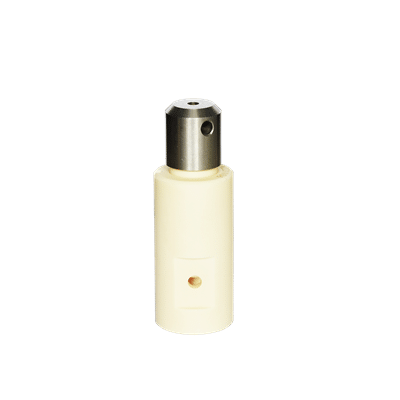
As we advance through 2026, the global supply chain for advanced technical ceramics has stabilized, yet the baseline ceramic plunger price continues to reflect the sophisticated nature of the manufacturing process. Unlike traditional steel or brass components, advanced ceramics cannot be simply cast or stamped. The production of a high-performance ceramic plunger is a multi-stage process that involves powder preparation, isostatic pressing, high-temperature sintering, and extensive diamond machining.
From our experience at JuchangCeramic, fluctuations in the ceramic plunger price are primarily driven by the cost of high-purity raw materials and the energy demands of high-temperature kilns. In Pingshan District, Shenzhen, we leverage an advanced technology ecosystem to optimize these variables, allowing us to maintain a highly competitive ceramic plunger price without compromising on structural integrity. We recommend that buyers monitor the global costs of rare earth stabilizers, such as Yttrium, as these directly influence the final ceramic plunger price for premium zirconia components.
2. Material Selection: Alumina vs. Zirconia
The single most influential factor determining the ceramic plunger price is the specific ceramic material specified by the engineering team. The two dominant materials in the fluid control industry are Alumina and Zirconia, each presenting a different ceramic plunger price point based on its mechanical properties.
Alumina (Aluminum Oxide)
Alumina is the workhorse of the technical ceramic industry. It offers excellent hardness, outstanding chemical resistance, and strong thermal stability. Because alumina powder is abundant and the sintering process is well-established, the ceramic plunger price for alumina components remains highly economical. We recommend alumina for standard dosing applications where harsh chemicals are present but mechanical impact is minimal.
Zirconia (Zirconium Dioxide)
For applications demanding extreme wear resistance and fracture toughness, Yttria-Stabilized Zirconia is the premier choice. Zirconia possesses a property known as transformation toughening, which allows it to resist crack propagation. Because raw zirconia powder is more expensive and requires more rigorous firing protocols, the ceramic plunger price for zirconia models is inherently higher than alumina. However, from our experience, the extended operational lifespan of a zirconia plunger easily justifies the higher initial ceramic plunger price.
3. Precision Machining and Manufacturing Tolerances
The firing of the ceramic green body is only the beginning of the manufacturing cycle. After sintering, technical ceramics achieve a hardness second only to diamond. Consequently, achieving the exact dimensional specifications requires specialized CNC diamond grinding and lapping equipment. This post-firing machining is responsible for a significant percentage of the final ceramic plunger price.
When producing a high-performance Ceramic plunger pump, the clearance between the plunger and the cylinder must be maintained at sub-micron levels to ensure a hermetic seal without the use of polymeric O-rings. The tighter the tolerance required, the longer the diamond lapping process takes, which directly elevates the ceramic plunger price. At JuchangCeramic, our advanced production lines are optimized to achieve mirror-like surface finishes (Ra less than 0.1 microns), ensuring flawless fluid displacement while strictly controlling the ceramic plunger price for our clients.
4. Industry-Specific Applications and Pricing Tiers
The intended industrial application dictates the regulatory and technical standards the component must meet, thereby establishing different tiers for the ceramic plunger price.
Medical and Pharmaceutical Fluid Control
The medical device sector demands absolute perfection. Components utilized in life-saving equipment, such as a Medical Ceramic Pump or a Dialysis Ceramic Pump, must undergo stringent biocompatibility testing, ultra-sonic cleaning, and rigorous quality assurance protocols to comply with international health standards. Because the margin for error is zero, the ceramic plunger price in the medical sector is the highest. We recommend securing components exclusively from manufacturers with dedicated medical production lines to ensure complete compliance.
Laboratory and Analytical Metering
In analytical chemistry and laboratory diagnostics, exact fluid volumes must be dispensed consistently. The Microliter Ceramic Metering Pump relies on a flawless ceramic plunger to dispense fluids at the microliter scale with exceptional repeatability. The ceramic plunger price for these miniature, high-precision components reflects the extreme difficulty of machining microscopic ceramic geometries without fracturing the material.
Industrial Chemical Processing
For heavy industrial applications involving corrosive acids, alkaline solutions, or abrasive slurries, a standard Ceramic Pump or a Ceramic Rotary Valve is deployed. These components are larger and engineered for volumetric throughput rather than microscopic precision. The ceramic plunger price for industrial variants benefits from economies of scale, making them highly cost-effective solutions for chemical plant upgrades.
5. Total Cost of Ownership vs. Initial Ceramic Plunger Price
A common pitfall in industrial procurement is evaluating the ceramic plunger price in a vacuum. From our professional experience, we strongly advise engineering teams to calculate the Total Cost of Ownership (TCO) rather than focusing solely on the upfront ceramic plunger price. A stainless steel plunger may present a lower initial purchase cost, but in abrasive or corrosive environments, metallic plungers degrade rapidly. This degradation leads to fluid leakage, volumetric inaccuracies, and frequent line shutdowns for maintenance.
Conversely, while the initial ceramic plunger price may be a premium investment, advanced ceramics offer a lifespan that is often five to ten times longer than their metallic counterparts. When you factor in the elimination of replacement parts, the reduction in maintenance labor, and the prevention of costly factory downtime, the higher initial ceramic plunger price is rapidly amortized. We recommend that facilities conducting high-frequency fluid dosing transition immediately to ceramic systems to secure long-term operational profitability.
6. Expert Buying Guide
To ensure you secure the most competitive ceramic plunger price without compromising on component quality, we recommend adhering to the following procurement guidelines:
- Audit the Manufacturer: Ensure the supplier is an actual manufacturer and not a trading company. Sourcing directly from a manufacturer like JuchangCeramic eliminates intermediary markups, providing a much more favorable ceramic plunger price.
- Specify the Exact Application: Do not over-specify tolerances if the application does not require them. Specifying a sub-micron tolerance for a low-pressure industrial transfer pump will unnecessarily inflate the ceramic plunger price.
- Request Material Certifications: A lower ceramic plunger price from unverified suppliers often indicates the use of low-purity ceramic powders, which introduces porosity and weakness. Always demand comprehensive material property data sheets.