
The industrial landscape is entirely unforgiving. Traditional steel bearings, which have served as the backbone of mechanical engineering for over a century, are increasingly becoming the bottleneck in modern applications. As electric vehicle motors spin faster, chemical processing plants demand higher corrosion resistance, and aerospace applications require massive weight reductions, steel is reaching its physical limits. If you are still relying entirely on chrome steel or stainless steel components in extreme environments, you are bleeding money through unscheduled maintenance and premature equipment failure.
From our experience engineering advanced technical ceramics at JuchangCeramic, the transition to ceramic rolling elements is no longer a luxury reserved for Formula 1 cars or space shuttles; it is a commercial necessity. However, transitioning materials requires a firm grasp of mechanics and a rigorous cost-benefit analysis. This guide strips away the marketing fluff to deliver the exact commercial and practical judgment you need. We will break down exactly what the benefits of ceramic bearings are, how they perform under stress, and whether it is actually worth upgrading your production line in 2026.
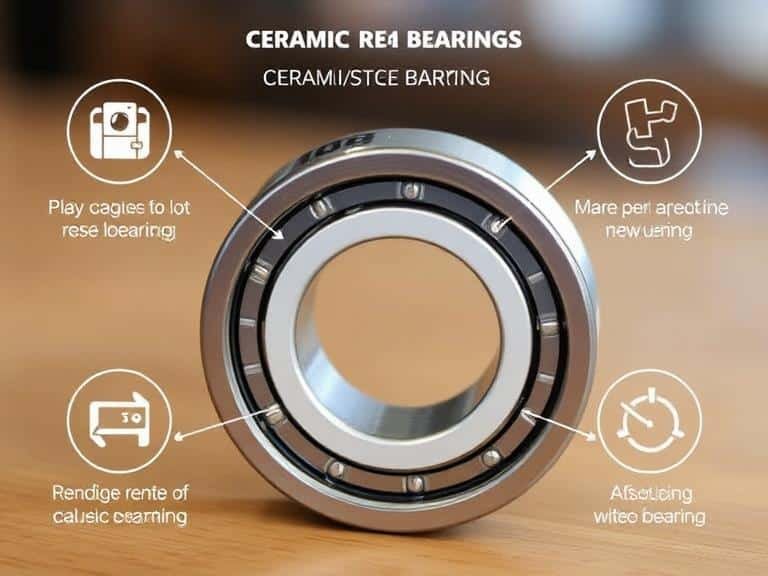
Quick Answer: Why Upgrade to Ceramic?
If you are evaluating whether to upgrade from steel, the primary benefits of ceramic bearings include significantly reduced friction, the ability to operate at exponentially higher RPMs, absolute electrical insulation (preventing electrical arcing in EV motors), and immunity to rust and chemical corrosion. While the initial capital expenditure is higher than steel, the drastic reduction in machine downtime and lubrication requirements makes ceramic bearings the most cost-effective choice for high-speed and harsh-environment operations.
Table of Contents
- What They Are and How They Work
- The 8 Commercial Benefits of Ceramic Bearings
- Limitations: When Steel Still Wins
- Who Should Use Them (And Who Does Not Need Them)
- Common Engineering Mistakes
- Buying Considerations & Cost-Benefit Analysis
- Expert Recommendation from JuchangCeramic
- Frequently Asked Questions (FAQ)
What They Are and How They Work
Before diving into the advantages, it is critical to define what we are discussing. In the industrial market, ceramic bearings generally fall into two categories: Hybrid Ceramic Bearings (which use steel inner and outer races with ceramic balls) and Full Ceramic Bearings (where both the races and the balls are made entirely of ceramic material).
The core materials used are Silicon Nitride (Si3N4), Zirconia (ZrO2), and Silicon Carbide (SiC). To understand the foundation of these materials, you can review what is alumina ceramics compared to other structural compounds. How these bearings work relies on atomic structure. The covalent bonds in technical ceramics are vastly stronger than the metallic bonds in steel. This results in a material that is significantly harder, lighter, and stiffer. When a ceramic ball rolls against a race, its microscopic surface is dramatically smoother than steel, preventing the micro-welding (adhesive wear) that typically destroys metal-on-metal components.
The 8 Commercial Benefits of Ceramic Bearings
When clients ask us what are ceramic bearings used for, we point directly to these eight undeniable physical and commercial advantages.
1. Extreme Speed Capabilities
Silicon Nitride (Si3N4) is roughly 40 percent less dense than bearing steel. In high-speed applications, the centrifugal force generated by the balls pushing against the outer race is the primary cause of bearing friction and failure. Because ceramic balls are significantly lighter, they generate drastically less centrifugal force. In our testing, hybrid ceramic bearings can routinely achieve operational speeds 30 to 50 percent higher than their steel counterparts without catastrophic failure.
2. Total Electrical Insulation
This is arguably the most critical benefit for 2026. With the massive surge in Electric Vehicle (EV) manufacturing and variable frequency drive (VFD) industrial motors, electrical arcing (fluting) is destroying steel bearings. Stray stray currents pass through the steel bearing, melting the metal and causing premature failure. Ceramic is a natural insulator. Using ceramic rolling elements completely halts the passage of electrical current, saving expensive motors from destruction.
3. Lower Operating Temperatures
Heat is the enemy of all mechanical systems. The incredibly smooth surface finish of ceramic balls means the coefficient of friction is remarkably low. Less friction equals less heat generation. In heavy-duty applications running at continuous high speeds, ceramic bearings run significantly cooler, preserving the integrity of surrounding machine components and seals.
4. Superior Hardness and Wear Resistance
Ceramic materials possess a Rockwell hardness rating that dwarfs bearing steel. This extreme hardness means that if contaminants (like dust or grit) enter the bearing housing, the ceramic balls will often crush the contaminant without suffering surface damage. Conversely, a steel ball would be scratched or dented, leading to a rapid cascade of mechanical failure.
5. Unmatched Corrosion Resistance
If you operate within food processing, chemical handling, or marine environments, steel rusts. Even 440C stainless steel will eventually succumb to harsh acids or saltwater. Full ceramic bearings, particularly those made of Zirconia (ZrO2), are completely inert to oxidation and highly resistant to alkaline and acidic compounds. For specific wet-environment setups, integrating these with a custom precision ceramic parts supplier ensures total system longevity.
6. Extended Lubrication Intervals (Or Dry Running)
Because dissimilar materials (ceramic and steel) do not micro-weld together, the risk of catastrophic galling is eliminated. While hybrid bearings still require grease, the degradation of that grease happens much slower due to lower operating temperatures. Furthermore, full ceramic bearings can often run completely dry in vacuum environments (like semiconductor manufacturing) where outgassing from liquid lubricants is strictly prohibited.
7. Lower Thermal Expansion
As machinery heats up, steel expands. This thermal expansion alters the internal clearances of a bearing, potentially causing it to bind or seize. Ceramic has a coefficient of thermal expansion roughly one-third that of steel. This means the bearing maintains its precise internal tolerances even when exposed to massive temperature fluctuations.
8. Non-Magnetic Properties
In medical imaging equipment (like MRI machines) or highly sensitive semiconductor inspection tools, magnetic interference is unacceptable. Full ceramic bearings are completely non-magnetic, ensuring zero disruption to delicate electromagnetic fields.
| Performance Metric | Steel Bearings (52100 Chrome) | Ceramic Bearings (Si3N4 / ZrO2) |
|---|---|---|
| Maximum RPM Limit | Standard | Up to 50% Higher |
| Weight / Density | Heavy (7.8 g/cm3) | Lightweight (3.2 g/cm3 for Si3N4) |
| Corrosion Resistance | Poor to Moderate (Requires oil) | Exceptional (Immune to rust) |
| Electrical Conductivity | Conductive (Prone to arcing) | Insulator (Blocks arcing) |
Limitations: When Steel Still Wins
We believe in commercial realism. Ceramic is not a magic bullet for every application. The primary limitation of advanced ceramics is fracture toughness (brittleness). While they are incredibly hard, they do not possess the ductility of steel. If your application involves severe, sudden shock loads—such as a rock crusher, a heavy stamping press, or off-road vehicle axles—a ceramic bearing may shatter upon impact, whereas a steel bearing would merely dent (brinell).
Additionally, the upfront cost cannot be ignored. Producing high-precision ceramic spheres requires diamond grinding and weeks of lapping. A hybrid ceramic bearing can cost three to five times more than a standard steel equivalent. A full ceramic bearing can cost ten times more.
| The Pros | The Cons |
|---|---|
| Drastically longer lifespan in high-speed applications. | High initial capital expenditure. |
| Prevents electrical arcing in EV/VFD motors. | Vulnerable to sudden, heavy impact shock loads. |
| Can operate in highly corrosive/chemical environments. | Requires highly precise installation to avoid cracking races. |
| Reduces rotational mass and energy consumption. | Not suitable for heavy vibratory equipment. |
Who Should Use Them (And Who Does Not Need Them)
For commercial users and industrial engineers: You should absolutely upgrade to hybrid or full ceramic bearings if you are designing electric vehicle powertrains, high-speed machine tool spindles, aerospace turbines, or chemical metering pumps. In these scenarios, the reduction in downtime justifies the price instantly. If you are sourcing components for fluid handling, reviewing the ceramic plunger pump components overview is a critical next step.
Who does not need it: For beginners building low-speed hobby projects, agricultural machinery, or slow-moving conveyor belts, do not waste your budget. Stick to high-quality steel. The speed and temperature benefits of ceramic are completely wasted on applications running at 500 RPM under heavy static loads.
Common Mistakes in Specification
In our experience consulting with global manufacturers, the most frequent commercial mistake is treating a full ceramic bearing exactly like a steel bearing during installation. Because ceramics do not flex, forcing a full ceramic bearing onto an oversized shaft with a hammer will instantly crack the inner ring. Installation requires precision thermal expansion techniques (heating the bearing/cooling the shaft) and highly accurate housing tolerances.
Another mistake is using Zirconia (ZrO2) in high-speed applications. While Zirconia is excellent for corrosion resistance and is tougher against impact, it is heavy and has a high thermal expansion rate. For high-speed applications, Silicon Nitride (Si3N4) is the only correct choice.
Buying Considerations & Cost-Benefit Analysis
When deciding whether it is actually worth buying, you must calculate your Total Cost of Ownership (TCO), not just the unit price. If a standard steel bearing costs $50 but fails every 6 months, forcing a 4-hour machine shutdown (costing $2,000 per hour in lost production), that cheap bearing actually costs you over $16,000 annually. If a $400 hybrid ceramic bearing lasts three years without failing, the ROI is undeniable.
| Application Profile | Recommended Bearing Type | Material Specifics |
|---|---|---|
| Electric Vehicle Motors / VFDs | Hybrid Ceramic | Steel Races + Si3N4 Balls (For electrical insulation) |
| High-Speed CNC Spindles | Hybrid Ceramic | Steel Races + Si3N4 Balls (For low friction/heat) |
| Chemical Processing / Marine | Full Ceramic | ZrO2 Races + ZrO2 Balls (For total corrosion immunity) |
| Semiconductor / Vacuum | Full Ceramic | Si3N4 Races + Si3N4 Balls (For dry running capability) |
When sourcing these critical components, referencing a comprehensive industrial ceramic products list 2026 will help you align your engineering specs with vetted manufacturers.
Expert Recommendation from JuchangCeramic
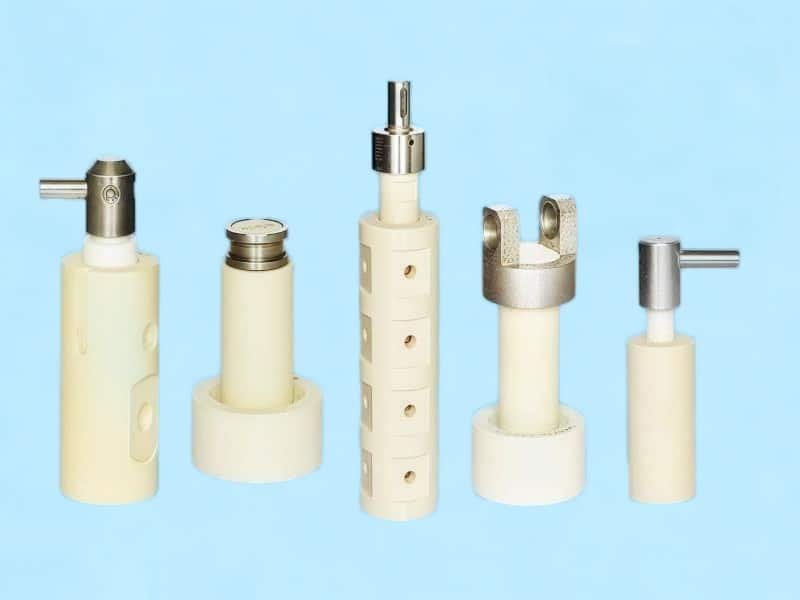
JuchangCeramic is a professional manufacturer dedicated to the research, development, and production of advanced precision ceramic materials and industrial ceramic components. Located in Pingshan District, Shenzhen, Guangdong Province, one of the most important industrial and technology manufacturing regions in China, we have firsthand insight into the shifting demands of the global supply chain.
We recommend a strategic, phased upgrade to your machinery. Do not replace every bearing in your facility blindly. Identify your “bad actors”—the specific motors or pumps that suffer from chronic bearing failure due to heat, stray electrical currents, or chemical washdowns. Upgrade those specific nodes to hybrid or full ceramic units. By partnering with a dedicated top ceramic plunger manufacturers and bearing supplier, you ensure the material chemistry matches your operational reality. For heavy-duty applications, the transition to advanced ceramics is the most definitive way to secure operational dominance in 2026.
Frequently Asked Questions (FAQ)
Are ceramic bearings actually better than steel?
Yes, in specific applications. The benefits of ceramic bearings include significantly less friction, higher speed capabilities, and the inability to conduct electricity or rust. However, they are more brittle than steel and are not recommended for environments subjected to extreme, sudden shock loads.
Do ceramic bearings need lubrication?
While full ceramic bearings can run entirely dry in certain low-load or high-vacuum applications, hybrid ceramic bearings (which use steel races) still require lubrication to protect the steel surfaces. However, the lubrication intervals are significantly extended compared to all-steel bearings.
How long do ceramic bearings last?
When properly specified and installed, ceramic bearings can last up to 5 to 10 times longer than traditional steel bearings. This extended lifespan is primarily because they generate less heat, do not suffer from electrical fluting, and are immune to the adhesive micro-welding wear that destroys metal bearings.
Authoritative References & Industry Standards
For further technical validation regarding the mechanical properties, load ratings, and testing standards of advanced ceramic materials, we recommend consulting the following authoritative bodies:
- American Society of Mechanical Engineers (ASME) – Global standards and technical publications for mechanical component design and operational tolerances.
- Society of Tribologists and Lubrication Engineers (STLE) – Leading research on friction, wear (tribology), and the performance of hybrid and full ceramic rolling elements.
- ASTM International – Definitive testing protocols and material specifications for advanced technical ceramics and bearing steels.