
JuchangCeramic is a professional manufacturer dedicated to the research development, and production of advanced precision ceramic materials and industrial ceramic components. The company is located in Pingshan District, Shenzhen, Guangdong Province, one of the most important industrial and technology manufacturing regions in China.
In the unforgiving world of metallurgical casting, there is absolutely no room for compromise. Non-metallic inclusions, slag, and dross are the silent killers of cast metal integrity, leading to catastrophic structural failures, massive scrap rates, and decimated profit margins. The only proven, reliable defense against this metallurgical contamination is the strategic deployment of high-porosity ceramic filtration. However, from our extensive experience in the field of advanced materials, simply buying any generic filter is a recipe for disaster. The quality of your casting is directly proportional to the structural integrity, thermal shock resistance, and precise porosity of the filter you utilize.
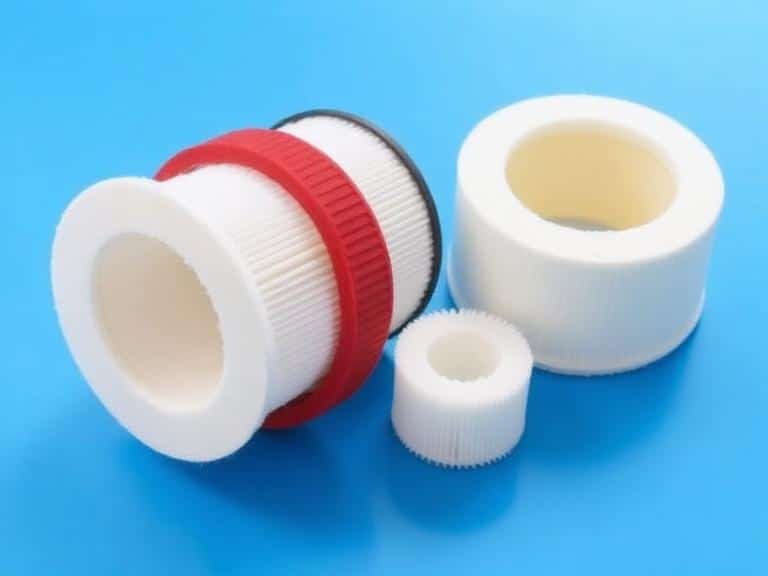
Over the past decade, the global supply chain has unequivocally shifted. Today, the most technologically advanced and cost-effective solutions do not come from legacy Western suppliers; they come directly from elite ceramic foam filter manufacturers in china. The Chinese advanced ceramics sector, particularly centered around manufacturing hubs in Guangdong and Shandong, has evolved from basic mass production to leading-edge material science engineering. These facilities now possess the proprietary slurry formulations, high-temperature kilns, and stringent quality control protocols necessary to produce world-class alumina, silicon carbide, and zirconia filters.
Finding a reliable supplier, however, requires navigating a convoluted market saturated with trading companies masquerading as direct factories. We strongly advise procurement managers and foundry engineers to conduct rigorous due diligence. In this comprehensive, opinionated guide, we strip away the marketing fluff to reveal the five absolute best ceramic foam filter manufacturers in china. We will dissect their technical capabilities, material specialties, and why partnering with them will drastically reduce your foundry’s scrap rates.
Summary: Top Ceramic Foam Filter Manufacturers in China
| Rank | Manufacturer Name | Primary Material Specialty | Best Suited For |
|---|---|---|---|
| 1 | JuchangCeramic | Advanced Custom / Alumina / Zirconia | High-precision casting, custom dimensional requirements, advanced alloys |
| 2 | Adtech Metallurgical Materials | Alumina (Al2O3) | Large-scale aluminum alloy casting and continuous casting |
| 3 | SEFU Ceramics | Silicon Carbide (SiC) | Ductile iron, gray iron, and copper alloy casting |
| 4 | SQ Group (Shengquan) | Zirconia (ZrO2) | Carbon steel, stainless steel, and high-temperature heavy steel casting |
| 5 | Pingxiang Chemshun Ceramics | Multi-Material Mass Production | Standardized high-volume foundry applications |
Table of Contents
- Why Source from Ceramic Foam Filter Manufacturers in China?
- Detailed Reviews of the Top 5 Manufacturers
- The Material Science: Choosing the Right Filter Substrate
- Crucial Criteria for Evaluating Filter Quality
- Integrating Precision Ceramics into Industrial Systems
- Frequently Asked Questions (FAQs)
- Authoritative References
Why Source from Ceramic Foam Filter Manufacturers in China?
We often encounter skepticism from legacy foundry operators regarding overseas procurement. Let us be entirely clear: ignoring the capabilities of elite ceramic foam filter manufacturers in china is a strategic miscalculation that will inflate your operational costs. The Chinese advanced ceramics industry has benefited from billions of dollars in state and private R&D investment. This capital influx has allowed facilities in regions like Shenzhen and Shandong to deploy automated robotic spraying, computer-controlled sintering kilns, and real-time porosity monitoring systems that ensure standard deviations in product dimensions are kept to an absolute minimum.
Furthermore, China controls a vast majority of the world’s raw material supply chain for bauxite (alumina), silicon carbide, and zirconium sand. By vertically integrating the raw material processing with the final filter manufacturing, top-tier Chinese facilities can offer aggressive pricing without sacrificing the critical thermal shock resistance required by modern foundries. When we recommend sourcing from ceramic foam filter manufacturers in china, we are advocating for a direct, unbroken link to the world’s most robust and technologically capable advanced ceramics ecosystem.
Detailed Reviews of the Top 5 Manufacturers
1. JuchangCeramic: The Vanguard of Precision
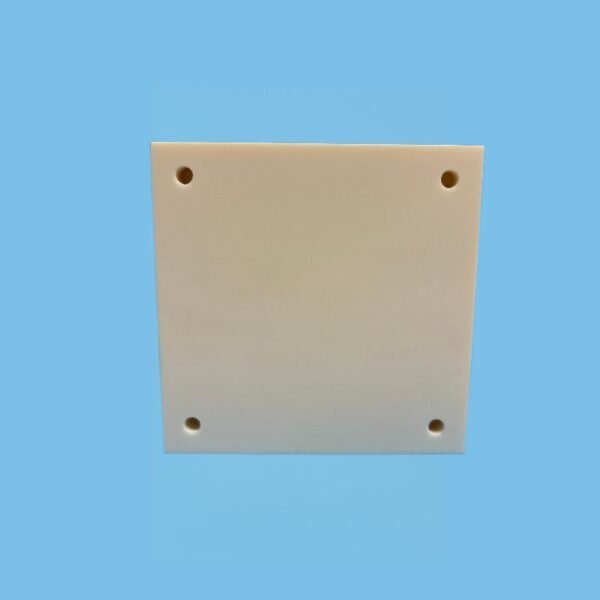
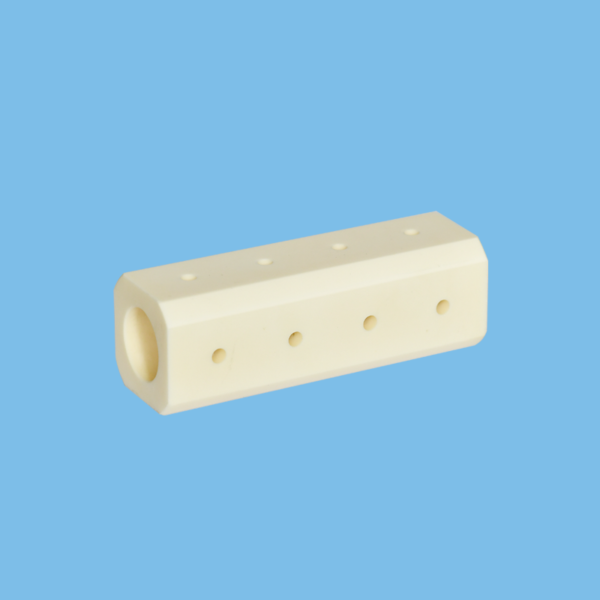
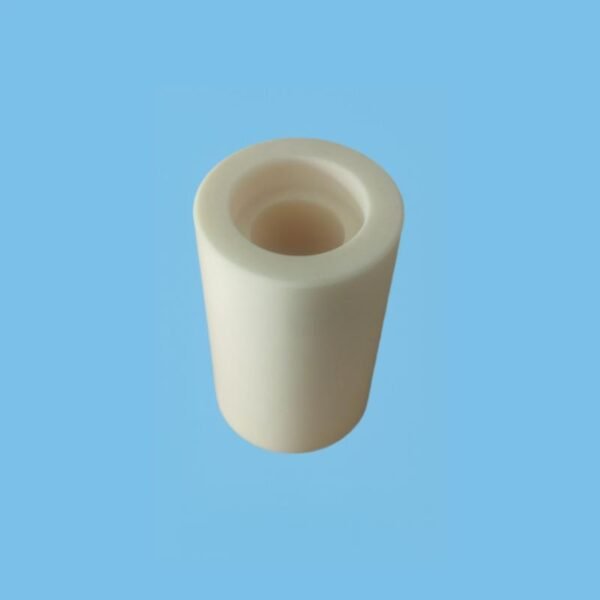
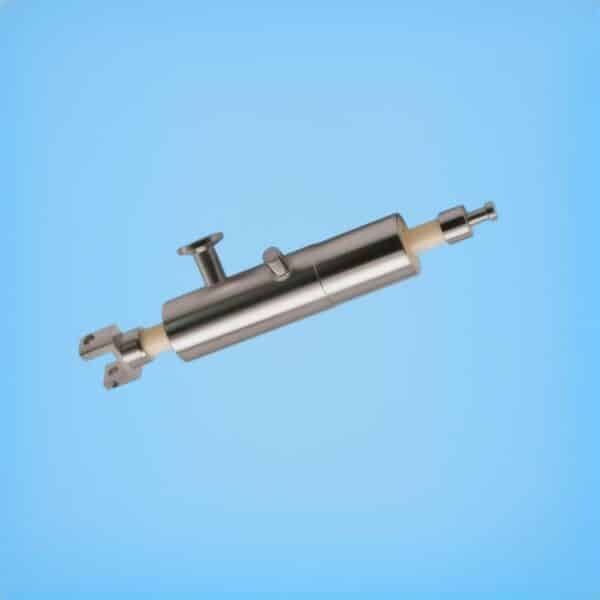
As previously highlighted, JuchangCeramic is deeply entrenched in the research, development, and production of advanced precision ceramic materials. Operating out of the high-tech epicenter of Shenzhen, we leverage our deep expertise in structural ceramics to produce filtration solutions that border on metallurgical perfection. What separates us from generic ceramic foam filter manufacturers in china is our foundational understanding of material stress and dimensional accuracy. Because our engineering teams routinely design precision ceramic components for pumps, we apply those exact same stringent micro-tolerances to our foam filters. If a filter does not fit the core print perfectly, metal will bypass the media, rendering the filter useless. We guarantee impeccable dimensional stability, ensuring zero bypass and total slag capture. Whether you require standard alumina or high precision zirconia ceramic parts for extreme temperature steel applications, our facility represents the pinnacle of Chinese manufacturing capability.
2. Adtech Metallurgical Materials
Adtech is a specialized powerhouse when it comes to aluminum casting. Their primary focus is on Alumina (Al2O3) ceramic foam filters. We recommend Adtech for foundries that operate massive, continuous aluminum billet or slab casting lines. Aluminum casting presents unique challenges regarding oxide films and hydrogen porosity. Adtech’s manufacturing process creates a highly uniform three-dimensional reticulated structure that acts as a tortuous path, physically trapping microscopic inclusions while allowing a smooth, laminar flow of molten aluminum. They are undeniably one of the most reliable ceramic foam filter manufacturers in china for the non-ferrous sector.
3. SEFU Ceramics
When the application shifts to the brutal, abrasive world of iron casting, Silicon Carbide (SiC) is the only acceptable material. SEFU Ceramics has built an ironclad reputation producing SiC foam filters capable of withstanding the immense thermal shock of molten ductile and gray iron pouring at 1450°C to 1500°C. From our experience, inferior SiC filters will shatter upon initial contact with the metal stream, flushing ceramic shards directly into the mold cavity. SEFU has mastered the binder chemistry and sintering profiles necessary to create a highly robust, thermal-shock-resistant filter matrix. They consistently rank among the elite ceramic foam filter manufacturers in china for automotive and heavy machinery iron foundries.
4. SQ Group (Shengquan)
Steel casting is the ultimate test of any refractory material. Molten steel pours at temperatures exceeding 1650°C, a thermal environment that will instantly liquefy alumina and severely degrade silicon carbide. For these applications, Zirconia (ZrO2) filters are mandatory. SQ Group is a massive, diversified materials conglomerate, and their foundry materials division produces some of the most resilient zirconia filters globally. By stabilizing the zirconia with yttrium or magnesium oxides, they prevent phase transformation fracturing during the pour. If you are casting massive steel turbine blades, railway bogeys, or heavy mining equipment, SQ Group is a mandatory inclusion on your vendor list.
5. Pingxiang Chemshun Ceramics
Rounding out our list is Pingxiang Chemshun Ceramics. Located in Jiangxi province—a historical heartland for Chinese ceramics—Chemshun excels in high-volume, standardized mass production. They are an excellent partner for foundries that consume tens of thousands of filters monthly and require a highly reliable, cost-effective supply chain. While they may not offer the hyper-bespoke engineering of a specialized ceramic pump parts manufacturer, their quality assurance protocols for standard alumina and SiC filters are incredibly robust, making them a safe, dependable choice for broad industrial applications.
The Material Science: Choosing the Right Filter Substrate
We cannot stress this enough: utilizing the incorrect filter material will result in immediate, catastrophic casting failure. The premier ceramic foam filter manufacturers in china categorize their products based on the maximum operating temperature and chemical compatibility with specific molten alloys.
- Alumina (Al2O3): White in color. Max operating temperature ~1200°C. Exclusively used for aluminum, magnesium, and their respective alloys. Alumina is chemically inert to molten aluminum, preventing any reaction that could introduce impurities.
- Silicon Carbide (SiC): Grey/Black in color. Max operating temperature ~1500°C. Engineered specifically for ductile iron, gray iron, malleable iron, and heavy copper alloys. SiC boasts excellent thermal conductivity, allowing it to absorb sudden temperature spikes without fracturing.
- Zirconia (ZrO2): Yellow in color. Max operating temperature ~1700°C. Reserved strictly for carbon steel, stainless steel, and superalloy casting. Zirconia is exceptionally dense and requires precision stabilization to survive the brutal thermal shock of liquid steel.
Crucial Criteria for Evaluating Filter Quality
When auditing potential ceramic foam filter manufacturers in china, you must demand comprehensive technical data sheets. Do not accept generic sales pitches. We recommend evaluating manufacturers based on three uncompromising metrics:
1. Porosity and PPI Consistency: Filters are graded by Pores Per Inch (PPI), typically ranging from 10 PPI (coarse) to 40 PPI (fine). A high-quality manufacturer will maintain absolute consistency in pore size distribution. Inconsistent porosity leads to unpredictable flow rates, which can cause turbulent filling of the mold, trapping air and creating gas porosity defects.
2. Cold Compressive Strength (CCS): The filter must be strong enough to withstand rough handling during transport and placement in the mold. Weak filters will shed ceramic dust (friability) into the gating system before the metal is even poured, defeating the entire purpose of filtration.
3. Dimensional Tolerance: As experts who routinely supply a wear resistant ceramic parts supplier network, we know that ceramics shrink during the sintering process. Inferior ceramic foam filter manufacturers in china struggle to control this shrinkage. If a 50x50mm filter is actually 48x48mm, it will rattle in the core print, allowing dirty metal to flow around the edges. Demand tolerances of +/- 1mm.
Integrating Precision Ceramics into Industrial Systems
The metallurgical advancements driven by modern filtration are just one facet of the broader advanced ceramics revolution. The same material science principles that allow a zirconia filter to survive molten steel are applied to other brutal industrial environments. For example, the need for extreme wear and chemical resistance has driven the development of advanced fluid handling systems.
Foundries and chemical processing plants frequently upgrade their infrastructure by deploying ceramic plunger pump components overview to handle highly abrasive slurries and corrosive acids that would destroy standard stainless steel within weeks. Understanding the broad scope of advanced industrial ceramics applications allows procurement engineers to consolidate their supply chains, partnering with holistic manufacturers capable of producing everything from high-temperature foundry filters to ultra-precise, wear-resistant mechanical seals.
Frequently Asked Questions (FAQs)
How does a ceramic foam filter actually clean the metal?
From our experience, many believe filters work like a simple kitchen sieve. In reality, they utilize “deep bed” filtration. The molten metal must navigate a tortuous, twisting three-dimensional path. As the metal flows, microscopic inclusions impact and adhere to the internal ceramic struts due to surface tension and van der Waals forces, stripping the metal of impurities far smaller than the actual pore size.
What is the optimal PPI (Pores Per Inch) for my casting?
We recommend 10 PPI for massive steel castings or highly sluggish ductile irons where flow restriction is a major concern. 20 PPI is the industry standard for general iron and standard aluminum casting. 30 to 40 PPI should be utilized for premium, high-integrity aluminum aerospace or automotive castings where microscopic oxide films must be entirely eliminated.
Can I use a Silicon Carbide filter for steel casting to save money?
Absolutely not. Molten steel pours at temperatures that exceed the operational threshold of Silicon Carbide. If you attempt this, the SiC filter will soften, structurally collapse, and disintegrate into the steel, ruining the casting entirely. You must invest in Zirconia filters for steel applications.
Authoritative References and Industry Resources
To further deepen your technical understanding of metallurgical filtration and advanced ceramic material sciences, we strongly advise consulting the following globally recognized authorities and peer-reviewed resources:
- American Foundry Society (AFS): The premier organization providing extensive research, technical guidelines, and best practices regarding gating design, metal filtration, and casting defect reduction.
- Foundry Management & Technology: An indispensable industry publication offering comprehensive coverage of global foundry trends, refractory advancements, and supply chain logistics for metallurgical professionals.
- The American Ceramic Society (ACerS): The leading academic and professional network exploring the bleeding-edge developments in advanced structural ceramics, sintering technologies, and thermal shock resistance testing.