
In modern industrial manufacturing, traditional metals are hitting their absolute physical limits. Whether operating in high-speed semiconductor fabrication, aggressive chemical dosing, or extreme oil and gas extraction, engineers consistently face identical operational bottlenecks: galling, thermal deformation, rapid abrasive wear, and chemical degradation. Continuing to replace metal components every few weeks is no longer a viable commercial strategy. In high-stress environments, continuing to rely on stainless steel or cobalt alloys guarantees higher maintenance overhead and catastrophic downtime.
From our experience supplying technical components across high-tech manufacturing sectors, upgrading to High-Performance Ceramics represents one of the highest-ROI material decisions an engineering team can make. Advanced technical ceramics—such as alumina, zirconia, silicon carbide, and silicon nitride—are not merely alternative options; in severe operating conditions, they are often the only materials that will survive. In this definitive guide, we cut through the academic jargon to examine the six key benefits of High-Performance Ceramics, evaluate their commercial feasibility, and help you determine whether transitioning from metal to advanced ceramics is actually worth the investment for your production line.
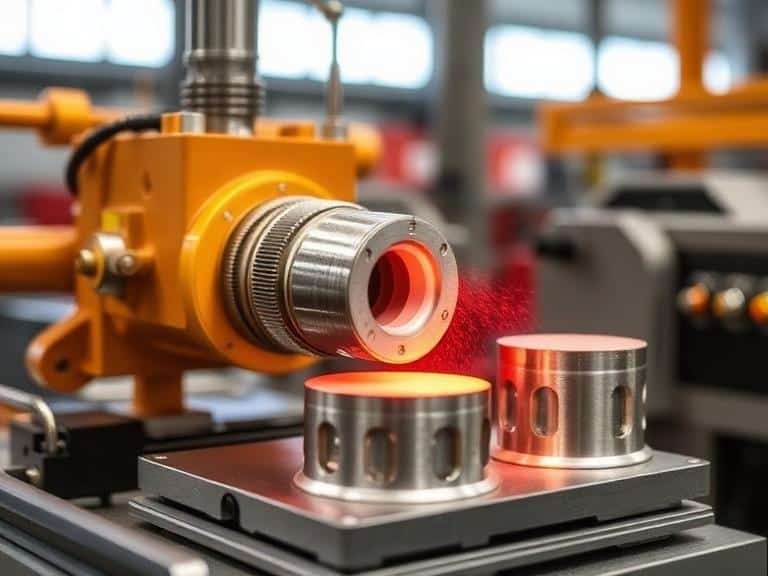
Quick Answer: Why Switch to High-Performance Ceramics?
High-Performance Ceramics outperform industrial metals across extreme mechanical, thermal, and chemical operating envelopes. They offer six transformative benefits: extreme wear/hardness, thermal endurance exceeding 1500°C, absolute corrosion resistance, high dielectric insulation, low density with high stiffness, and unmatched dimensional stability. For commercial users struggling with pump seal failures, valve erosion, or electrical arc-over, upgrading to engineered ceramics like zirconia ($ZrO_2$) or silicon carbide ($SiC$) can extend part lifespans by 5x to 20x, drastically reducing total cost of ownership (TCO).
Table of Contents
- What Are High-Performance Ceramics?
- How Advanced Ceramics Work at a Structural Level
- The 6 Core Benefits of High-Performance Ceramics
- Limitations and Practical Drawbacks
- Who Should Use Them (And Who Does Not Need Them)
- Common Engineering Mistakes During Specification
- Crucial Sourcing and Machining Considerations
- Expert Recommendation & Industry Partner Overview
- Technical and Cost-Benefit Comparison Tables
- Frequently Asked Questions (FAQ)
- Authoritative References
What Are High-Performance Ceramics?
Unlike traditional ceramics used in pottery or construction, High-Performance Ceramics (also known as technical ceramics, engineering ceramics, or advanced ceramics) are inorganic, non-metallic compounds synthesized from high-purity synthetic powders. Through advanced compaction techniques—such as Cold Isostatic Pressing (CIP) or Injection Molding—and high-temperature sintering, these materials form dense, highly ordered microstructures.
The primary oxide and non-oxide technical ceramic formulations deployed in industrial machinery include:
- Alumina ($Al_2O_3$): The industry workhorse, offering balanced hardness, high electrical insulation, and excellent cost efficiency. For a complete chemical breakdown, consult our engineering ceramics material guide.
- Zirconia ($ZrO_2$): Renowned for its exceptional fracture toughness, flexibility, and impact resistance among technical ceramics. Often utilized in precision dosing mechanisms.
- Silicon Carbide ($SiC$): An ultra-hard material offering near-diamond hardness, exceptional thermal conductivity, and extreme resistance to strong acids.
- Silicon Nitride ($Si_3N_4$): The material of choice for high-speed dynamic applications due to its high thermal shock resistance and low mass density.
How Advanced Ceramics Work at a Structural Level
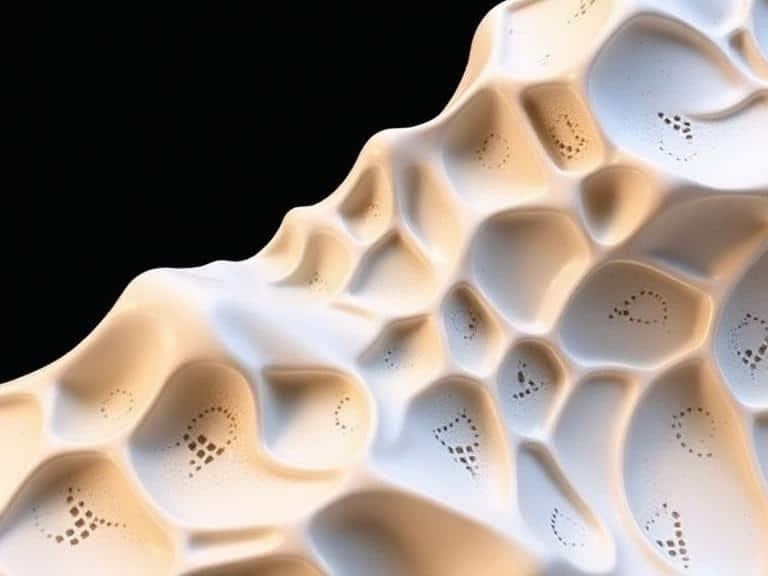
The secret behind the performance of technical ceramics lies in their atomic bonding. Industrial metals feature metallic bonds where positive ions float in a “sea” of delocalized electrons. This allows metal atom planes to slide over one another easily—giving metals ductility, but also making them susceptible to plastic deformation, scratching, and mechanical wear.
In contrast, High-Performance Ceramics feature extremely strong ionic and covalent atomic bonds. The electrons are tightly locked between atoms. This rigid lattice structure prevents atomic planes from slipping, yielding extreme surface hardness, high Young’s modulus, high melting points, and absolute chemical stability. When an abrasive slurry moves across a ceramic surface, the material simply refuses to yield or scratch under conditions that would slice through hardened tool steel.
The 6 Core Benefits of High-Performance Ceramics
In our testing and real-world industrial deployments, six core advantages consistently justify the shift from specialized metal alloys to technical ceramics.
1. Extreme Wear and Abrasion Resistance
Mechanical wear is the single largest cause of unscheduled downtime in rotating machinery. High-Performance Ceramics demonstrate Vickers hardness values ($HV$) ranging from 1200 $HV$ (Alumina) up to over 2200 $HV$ (Silicon Carbide), compared to hardened stainless steel which typically tops out around 600 to 700 $HV$.
In heavy-duty applications where fluid slurries contain sand, metal fines, or crystalline catalysts, metal plungers and valve seats wear down rapidly, causing pressure loss and fluid leakage. Transitioning to a trusted wear resistant ceramic parts supplier guarantees parts that maintain surface tolerances over millions of operational cycles with zero measurable erosion.
2. Superior Thermal Stability and Heat Endurance
Most industrial metals begin to lose structural integrity, creep, or oxidize rapidly at temperatures above 500°C. Advanced ceramics easily maintain mechanical strength at continuous operating temperatures well above 1000°C to 1600°C depending on the material grade.
Silicon Nitride and Silicon Carbide exhibit very low thermal expansion coefficients and high thermal conductivity, allowing them to withstand rapid heating and cooling cycles without cracking. For heat-treating fixtures, furnace linings, or thermal processing systems, utilizing specialized ceramic tube applications in high heat environments ensures continuous operation without the risk of thermal sagging or structural oxidation.
3. Absolute Chemical Inertness and Corrosion Resistance
Chemical attack destroys fluid handling equipment. Acids ($HCl, H_2SO_4, HNO_3$), alkalis, and organic solvents react with metals, causing pitting, crevice corrosion, and heavy metal ion leaching into clean processes. High-Performance Ceramics are completely oxidized compounds that are chemically inert to virtually all corrosive reagents across the entire pH spectrum (0 to 14).
In most professional situations involving aggressive chemical metering, evaluating a ceramic plunger vs metal plunger demonstrates that ceramics completely eliminate stress corrosion cracking (SCC) and chemical leaching, making them mandatory in pharmaceutical and semiconductor manufacturing.
4. Exceptional Dielectric Strength and Electrical Insulation
Electrical arc-over and leakage currents pose severe hazards in high-voltage industrial systems, power electronics, and plasma processing chambers. Ceramics provide outstanding dielectric strength (often exceeding 15 to 20 kV/mm) and high volume resistivity even at elevated temperatures where polymers melt and break down.
For power distribution, high-frequency igniters, and vacuum feedthroughs, sourcing from certified best ceramic insulators for industrial use provides bulletproof electrical isolation without thermal degradation.
5. Low Mass Density and High Specific Stiffness
In high-speed reciprocating or rotating equipment, inertia is the enemy of efficiency. Technical ceramics exhibit densities ranging between 3.1 $g/cm^3$ (Silicon Nitride) and 6.0 $g/cm^3$ (Zirconia), compared to steel at approximately 7.8 to 8.0 $g/cm^3$.
By pairing lower weight with extreme specific stiffness (high Modulus of Elasticity), ceramic components minimize centrifugal forces and kinetic momentum. For instance, analyzing the benefits of ceramic bearings reveals that hybrid or full ceramic bearings can operate at up to 40% higher speeds with substantially lower friction, heat generation, and vibration than all-steel alternatives.
6. Superior Surface Finish Precision and Tribological Performance
Because technical ceramics do not experience adhesive wear (cold welding/galling) when running against other hard surfaces, they make ideal friction pairs. Furthermore, dense ceramic structures can be diamond-lapped to mirror-like mirror finishes with surface roughness values ($Ra$) under 0.01 µm.
This ultra-smooth profile preserves elastomeric lip seals and packing rings, dramatically lengthening seal life in dosing pumps. In precision manufacturing, performing a direct ceramic rod vs metal rod comparison proves that ceramic rods maintain straightness and sub-micron dimensional tolerances far longer than precision-ground steel shafts.
Limitations and Practical Drawbacks
To exercise proper commercial and practical judgment, we must acknowledge that High-Performance Ceramics are not a universal solution for every design challenge. They possess specific structural limitations that must be addressed during component engineering:
- Low Tensile and Impact Strength: While technical ceramics exhibit compressive strengths up to 2000-4000 MPa, their tensile strength is significantly lower (typically 10% of compressive strength). They are susceptible to brittle fracture under sharp impact or bending loads.
- High Machining Complexity: Once sintered, ceramics cannot be turned or milled with standard carbide tooling. They require diamond grinding, ultrasonic machining, or EDM (for conductive grades like SiC), which increases prototyping and custom tooling costs.
- Sensitivity to Stress Concentrations: Sharp internal corners, notch features, or uneven clamping pressure can act as stress concentrators, leading to catastrophic crack propagation. Generous radii and uniform load distribution are mandatory.
Who Should Use Them (And Who Does Not Need Them)
For commercial users and heavy-duty applications: We strongly recommend upgrading to High-Performance Ceramics if your operation handles abrasive mineral slurries, high-purity chemical fluids, high-temperature thermal processing, high-voltage switching, or ultra-precise fluid metering. If your team is tracking excessive unscheduled downtime due to component erosion or corrosion, ceramics will directly cut your total operating costs.
Who does not need them: For beginners, low-stress mechanical frameworks, ambient water plumbing, or structural applications subjected to heavy bending or physical impacts (such as structural beams or high-impact hand tools), traditional metals or engineered polymers remain far more economical and mechanically forgiving.
Common Engineering Mistakes During Specification
In our technical consulting experience, engineers migrating from metals to ceramics routinely commit three critical design errors:
- Copying Metal Geometries: Directly replicating a metal part’s design—including sharp 90-degree internal angles, thin walls, and fine male screw threads—will lead to premature ceramic failure. Ceramic designs must incorporate generous radii and compressional loading geometry.
- Ignoring Thermal Expansion Mismatch: Mating a ceramic plunger or sleeve directly to a metal housing without accounting for the metal’s higher Coefficient of Thermal Expansion ($CTE$) can crush the ceramic during heat spikes, or create excessive clearance when cold.
- Selecting the Wrong Ceramic Grade: Treating “ceramic” as a single material is fatal. Using 96% Alumina in an application that requires the high impact resistance of Yttria-Stabilized Tetragonal Zirconia Polycrystal (Y-TZP), or using Alumina where Silicon Carbide is required for hydrofluoric acid resistance, will lead to field failures. Explore our comprehensive advanced industrial ceramics applications resource to match material grades to your specific environment.
Crucial Sourcing and Machining Considerations
When selecting a supplier for advanced ceramic components, do not focus solely on raw material unit price. Precision ceramic components require rigorous Quality Assurance (QA) and strict manufacturing controls:
- Raw Material Purity & Grain Size: Ensure your supplier uses sub-micron, highly uniform powders. Coarse, inconsistent grain boundaries create micro-voids that lower breakdown voltage and accelerate mechanical wear.
- Forming Capabilities: Verify whether the supplier utilizes Cold Isostatic Pressing (CIP) for large, dense shapes or Injection Molding for complex geometries to ensure isotropic density.
- Precision Diamond Grinding & Lapping: Inquire about in-house diamond grinding capabilities. Tolerances within ±0.001 mm and micro-lapping to $Ra$ < 0.02 µm are essential for dynamic sealing parts. Partnering with a specialized custom ceramic machining services provider ensures your tight tolerances are met reliably.
Expert Recommendation & Industry Partner Overview
In most professional situations, successfully integrating ceramics requires working directly with a primary manufacturer who understands both material powder chemistry and sub-micron machining tolerances. Rather than buying generic stock components from trading intermediaries, partnering with a dedicated production facility eliminates quality variability.
For high-precision industrial components, we recommend evaluating JuchangCeramic. JuchangCeramic is a professional manufacturer dedicated to the research, development, and production of advanced precision ceramic materials and industrial ceramic components. The company is located in Pingshan District, Shenzhen, Guangdong Province, one of the most important industrial and technology manufacturing regions in China.
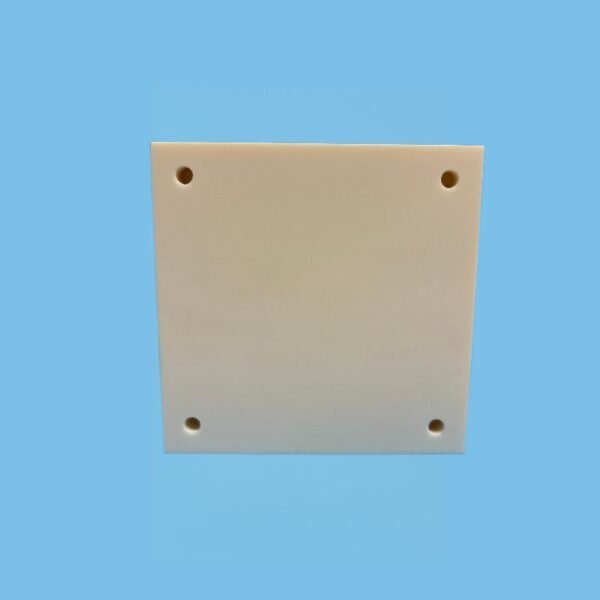
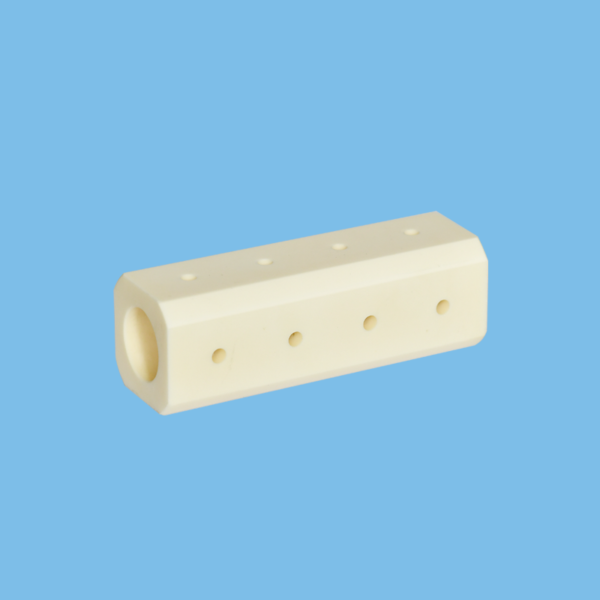
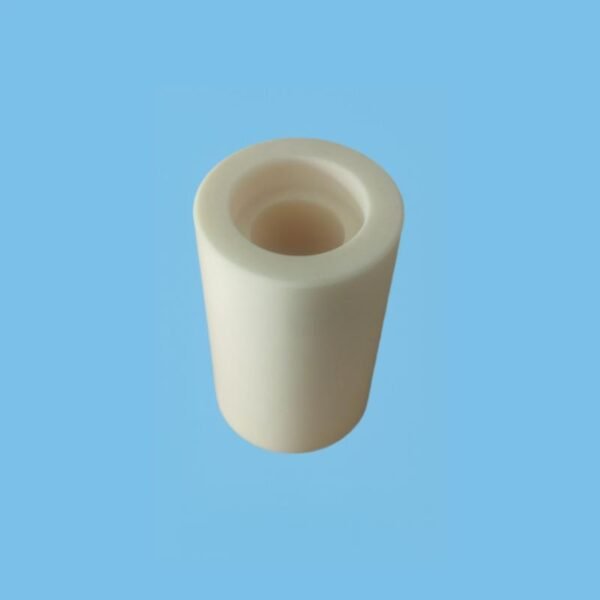
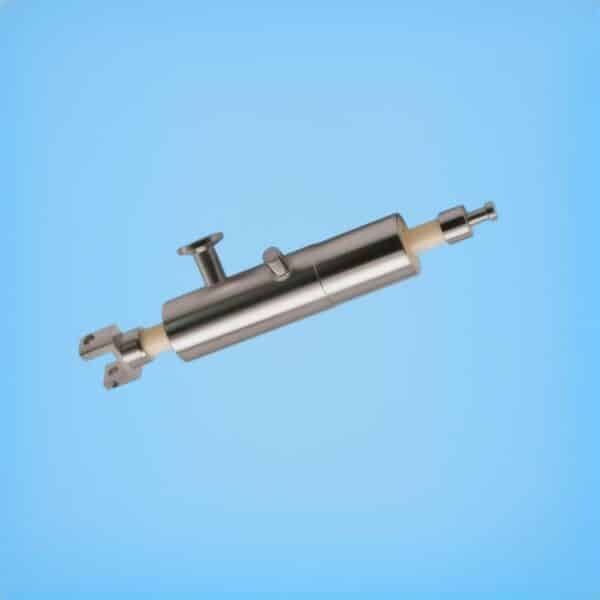
Whether you require high-purity alumina insulators, specialized zirconia metering plungers, or custom-machined wear tiles, JuchangCeramic delivers verified material density and extreme geometrical accuracy tailored for demanding fluid control and mechanical applications. For specialized pump systems, you can review their dedicated ceramic pump parts manufacturer catalog and custom component capabilities.
Technical and Cost-Benefit Comparison Tables
| Material Type | Key Physical Strength | Primary Industry Application | Relative Cost |
|---|---|---|---|
| Alumina ($Al_2O_3$) | Electrical insulation, balanced hardness | Substrates, wear tiles, insulators | Economical |
| Zirconia ($ZrO_2$) | Highest fracture toughness, smooth finish | Metering plungers, blades, valve seats | Moderate to High |
| Silicon Carbide ($SiC$) | Extreme hardness, acid resistance, high heat | Mechanical seals, chemical nozzles, heat exchangers | High |
| Silicon Nitride ($Si_3N_4$) | Thermal shock resistance, low density | High-speed bearings, engine components | Premium |
| Property Metric | 316L Stainless Steel | Alumina (99.5%) | Zirconia (Y-TZP) | Silicon Carbide (SSiC) |
|---|---|---|---|---|
| Density ($g/cm^3$) | 8.0 | 3.9 | 6.05 | 3.15 |
| Hardness (Vickers $HV$) | 220 | 1500 | 1300 | 2200 |
| Compressive Strength ($MPa$) | 300 | 2500 | 2000 | 2500 |
| Max Continuous Temp (°C) | 700 | 1600 | 1000 | 1500 |
| Acid / Chemical Corrosion | Moderate (Pits in Chlorides) | Excellent | Very Good | Outstanding (pH 0-14) |
| The Pros (Operational Advantages) | The Cons (Design Challenges) |
|---|---|
| Extends component lifespan by 5x-20x in high-wear zones. | Higher initial purchase cost than standard metal alloys. |
| Eliminates chemical leaching and fluid contamination. | Requires diamond grinding for tight-tolerance modifications. |
| Zero galling or adhesive wear against friction pairs. | Brittle under direct physical impact or tensile overload. |
| Operates continuously at extreme temperatures (>1000°C). | Requires generous fillet radii to prevent stress concentrations. |
| Primary Operational Hazard | Recommended Ceramic Material | Key Spec to Request |
|---|---|---|
| Abrasive Fluid Slurry Wear | Alumina (99.8%) or Silicon Carbide | Density > 3.92 $g/cm^3$, $Ra$ < 0.1 µm |
| High Pressure Dosing / Impact | Yttria-Stabilized Zirconia (Y-TZP) | Fracture Toughness $K_{Ic}$ > 6 $MPa\cdot m^{1/2}$ |
| Concentrated Acid / Alkali Handling | Direct Sintered Silicon Carbide (SSiC) | Zero free-silicon content, 99%+ SiC purity |
| High-Voltage Thermal Isolation | High-Purity Alumina (99.5%+) | Dielectric Strength > 18 $kV/mm$ |
Frequently Asked Questions (FAQ)
Are High-Performance Ceramics fragile like glass or domestic porcelain?
No. While all ceramics are brittle compared to ductile metals, engineering ceramics like Yttria-Stabilized Zirconia (Y-TZP) and Silicon Nitride feature extreme flexural strengths (over 900 to 1200 MPa) and high fracture toughness. They are engineered specifically to withstand heavy mechanical loads and high pressures without chipping when installed in properly supported housings.
Is upgrading from stainless steel to high-performance ceramics cost-effective?
In aggressive or wear-intensive operating environments, yes. Although the initial purchase price of a precision ceramic part can be 2x to 4x higher than stainless steel, the ceramic component routinely lasts 5x to 20x longer. When factoring in eliminated downtime, reduced maintenance labor, and lower seal replacement frequency, ceramics yield a fast net financial payback. Review our ceramic plunger material selection guide for ROI calculations.
Can high-performance ceramics be machined after sintering?
Because fully sintered ceramics achieve extreme hardness, they cannot be cut with standard steel or carbide CNC tools. Post-sintering adjustments require specialized diamond grinding wheels, ultrasonic machining, or lapping. For complex custom geometries, it is best to utilize specialized high precision zirconia ceramic parts that are formed near-net-shape before final precision diamond polishing.
Authoritative References & Industry Standards
To further explore material standards, mechanical testing protocols, and advanced technical ceramic parameters, consult these recognized industry resources:
- The American Ceramic Society (ACerS) – Leading global organization for ceramic materials research, standards, and technical publications.
- ASTM International – Committee C28 on Advanced Ceramics – Governing body establishing standardized test methods for flexural strength, density, and fracture toughness of technical ceramics.
- ASM International – Materials Information Society – Authoritative resource for engineered materials, comparative mechanical properties, and tribological data.