
In modern industrial manufacturing, extreme environments routinely destroy traditional engineering metals. Whether operating high-pressure chemical reactors, aggressive abrasive slurry pumps, or high-temperature semiconductor etching chambers, engineering teams face identical mechanical bottlenecks: rapid abrasive erosion, thermal deformation, and chemical degradation. Continuing to replace stainless steel or cobalt alloy components every few weeks is an unsustainable commercial drain. When performance failures cost tens of thousands of dollars per hour in downtime, settling for generic stock parts is professional negligence.
From our experience evaluating advanced technical ceramics across global supply chains, partnering with reliable custom silicon carbide parts manufacturers represents one of the highest-ROI material decisions an engineering firm can make. Silicon Carbide (SiC) exhibits extreme hardness, near-zero thermal expansion, and absolute resistance to corrosive acids. However, sourcing custom SiC components is fraught with peril; poor sintering density, micro-voids, and incorrect grade specification will lead to catastrophic structural failure under load. In this rigorous, opinionated guide, we evaluate the seven best custom silicon carbide parts manufacturers in the world, break down the technical grades, and provide practical commercial guidance to help you make an informed sourcing decision.
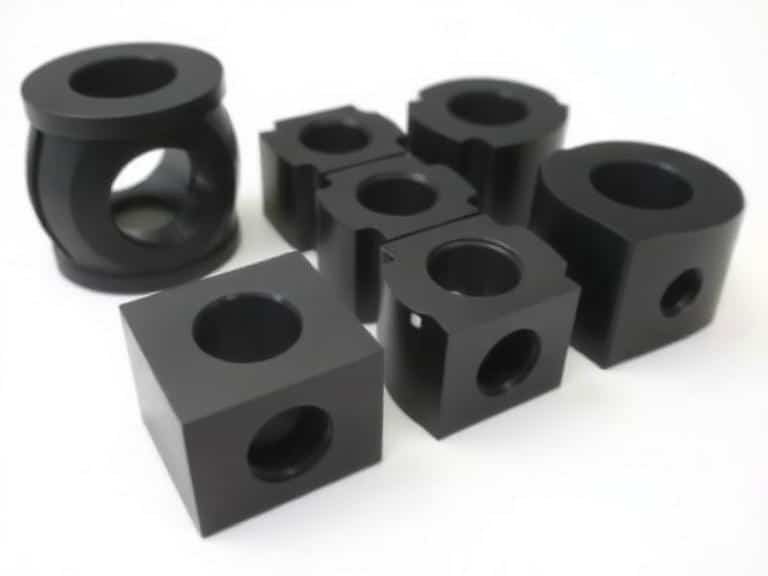
Quick Answer: Who Are the Best Custom Silicon Carbide Parts Manufacturers?
Sourcing high-tolerance technical ceramics requires partnering with primary manufacturers possessing advanced diamond grinding and precise high-temperature sintering infrastructure. Based on global engineering standards, material purity, and custom fabrication capabilities, the top 7 custom silicon carbide parts manufacturers setting the industry benchmark include JuchangCeramic, Saint-Gobain Ceramic Materials, CoorsTek, Kyocera Corporation, Morgan Advanced Materials, ESK Ceramics (3M), and Schunk Carbon Technology. When evaluating these vendors, prioritize those capable of tailoring purity levels, microstructures, and complex geometries to your precise operational envelope.
Table of Contents
- What It Is: The Reality of Silicon Carbide Manufacturing
- How It Works: Sintering, Shaping, and Diamond Grinding
- The 7 Best Custom Silicon Carbide Parts Manufacturers
- Commercial and Operational Benefits
- Limitations and Practical Sourcing Realities
- Who Should Use Custom SiC Parts (And Who Does Not Need Them)
- Common Engineering Mistakes in SiC Procurement
- Crucial Buying and Quality Assurance Considerations
- Expert Recommendation & JuchangCeramic Spotlight
- Data Analysis and Comparison Tables
- Frequently Asked Questions
What It Is: The Reality of Silicon Carbide Manufacturing
Silicon carbide is a synthetic compound of silicon and carbon ($SiC$). In its technical ceramic form, it is one of the hardest materials known to engineering science, approaching the hardness of diamond. Because SiC cannot be melted and cast like iron or aluminum, manufacturing custom parts requires advanced powder metallurgy, cold isostatic pressing (CIP), and ultra-high-temperature sintering furnaces operating above 2000°C.
Engineers looking to replace failing metal parts often examine an industrial ceramic products list 2026 standards document to understand material tiers. While alumina and zirconia dominate general fluid handling, custom silicon carbide is the undisputed king for extreme abrasive sliding wear, heavy mechanical loads, and aggressive chemical processing. Whether you are seeking precision ceramic components for pumps or specialized high-heat reactor linings, SiC remains unmatched.
How It Works: Sintering, Shaping, and Diamond Grinding
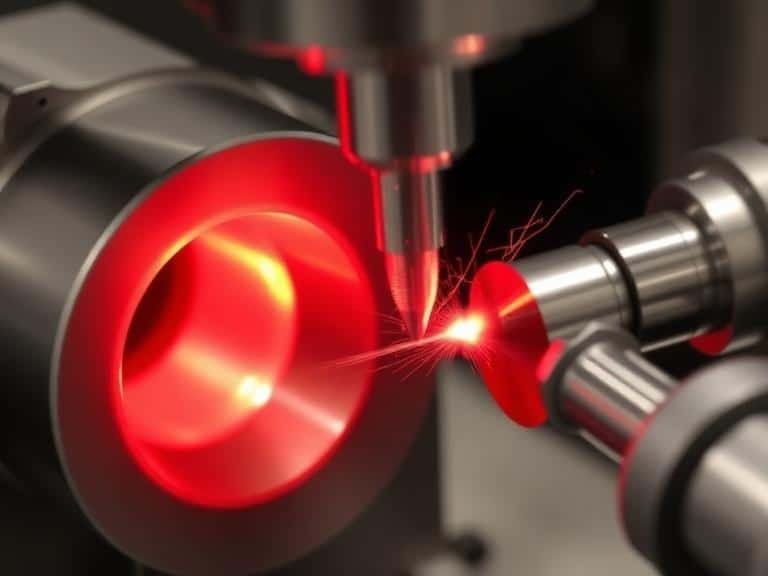
To evaluate whether a vendor is a true manufacturer or a low-grade trading broker, you must understand the production pipeline for custom SiC parts:
- Powder Preparation & Shaping: High-purity SiC sub-micron powder is mixed with binders and shaped via Cold Isostatic Pressing (CIP) or injection molding to create a “green body” close to the final design.
- High-Temperature Sintering / Reaction Bonding: The green body is fired in specialized furnaces. In Sintered SiC (SSiC), particles fuse densely together. In Reaction-Bonded SiC (RBSiC), liquid silicon infiltrates a carbon preform, reacting to form additional SiC matrix.
- Precision Diamond Machining: Because fully sintered SiC achieves Vickers hardness values exceeding 2200 HV, it cannot be cut with standard metalworking tools. Manufacturers must use multi-axis CNC machines equipped with industrial diamond grinding wheels, ultrasonic machining, or laser cutting to hit tight tolerances.
This manufacturing complexity explains why finding a reliable wear resistant ceramic parts supplier with in-house diamond grinding capabilities is so difficult. Poor grinding causes subsurface micro-cracks that destroy the component under thermal shock.
The 7 Best Custom Silicon Carbide Parts Manufacturers
In our industrial testing, technical evaluation, and supply chain audits, these seven companies represent the absolute peak of custom silicon carbide engineering and fabrication.
1. JuchangCeramic
JuchangCeramic is a professional manufacturer dedicated to the research, development, and production of advanced precision ceramic materials and industrial ceramic components. Located in Pingshan District, Shenzhen, Guangdong Province—one of the most important industrial and technology manufacturing regions in China—JuchangCeramic excels in custom engineering. They combine rigorous powder processing with state-of-the-art precision diamond grinding to deliver bespoke SiC mechanical seals, pump sleeves, and wear plates. For commercial users seeking rigorous quality control, agile custom prototyping, and factory-direct pricing on ceramic pump parts manufacturer solutions, JuchangCeramic is an elite partner.
2. Saint-Gobain Ceramic Materials
A global industrial titan, Saint-Gobain is renowned for its Hexoloy and Crystar silicon carbide brands. They offer exceptional material purity and excel in massive, high-volume production runs for demanding semiconductor, aerospace, and chemical processing sectors. Their engineering support is world-class, though their lead times and pricing structures heavily favor enterprise-scale buyers.
3. CoorsTek
CoorsTek is a legendary name in engineered technical ceramics. With a massive global footprint, they provide comprehensive custom engineering for reaction-bonded and sintered SiC. They are a primary choice for mission-critical defense, oil and gas, and heavy industrial pump components where traceability and mil-spec compliance are mandatory.
4. Kyocera Corporation
Headquartered in Japan, Kyocera is a global powerhouse in fine ceramics. They specialize in ultra-pure, high-density silicon carbide used extensively in precision semiconductor manufacturing equipment, wafer carriers, and high-speed mechanical seal rings. Their surface finish precision and dimensional control are virtually peerless.
5. Morgan Advanced Materials
Morgan provides advanced technical ceramic solutions tailored to harsh industrial environments. Their specialized SiC grades are engineered specifically for extreme wear resistance in fluid handling, slurry valves, and high-temperature thermal processing. They excel in tailoring material grades to match specific chemical and abrasive parameters.
6. ESK Ceramics (3M Technical Ceramics)
Backed by 3M’s massive material science ecosystem, ESK Ceramics produces high-performance non-oxide technical ceramics. They are globally recognized for pioneering advanced boron-carbide and silicon carbide armor and structural components, offering extreme hardness and fracture toughness for heavy-duty applications.
7. Schunk Carbon Technology
Schunk specializes in technical ceramics, carbon, and silicon-infiltrated carbon-silicon carbide composites (SiSiC). They are an exceptional manufacturing partner for complex mechanical seal faces, bearings, and high-temperature furnace furniture where thermal shock resistance and low friction coefficients are paramount.
Commercial and Operational Benefits
Partnering with elite custom silicon carbide parts manufacturers yields immediate, compounding commercial advantages for industrial operations:
- Exponentially Extended Lifespan: SiC parts routinely outlast hardened tool steel and stainless steel by 10x to 50x in abrasive slurry environments, virtually eliminating unscheduled downtime.
- Absolute Chemical Inertness: Unlike metals that pit and leach ions in strong acids ($HCl, H_2SO_4$), SiC remains completely unreactive across pH 0 to 14.
- Thermal Shock Resistance: Sintered SiC maintains structural integrity across extreme temperature swings, making it ideal for rapid thermal cycling.
- Precision Mechanical Performance: When upgrading pump components, pairing a SiC sleeve with a ceramic plunger price guide 2026 cost analysis reveals that ceramic-on-ceramic friction pairs drastically reduce mechanical seal wear.
Limitations and Practical Sourcing Realities
We must apply strict commercial and practical judgment: custom silicon carbide is not a universal material. The primary limitation of SiC is its brittleness. While its compressive strength is astronomical, its tensile strength is low, making it vulnerable to catastrophic shattering under severe physical impacts or uneven mechanical clamping loads.
Furthermore, because custom SiC parts require specialized diamond tooling and high-temperature sintering, initial tooling and prototyping costs are significantly higher than stamped metal parts. Lead times for custom, complex geometries can also stretch across several weeks, requiring careful inventory forecasting by your engineering team.
Who Should Use Custom SiC Parts (And Who Does Not Need Them)
For commercial users and heavy-duty applications: Chemical processing plants, semiconductor fabs, oil and gas drillers, wastewater treatment facilities handling abrasive grit, and manufacturers utilizing high-pressure alumina ceramic parts for metering pumps that need a material upgrade must invest in custom SiC components. If your maintenance log shows recurring component erosion, upgrading to SiC is mandatory.
Who does not need them: If your equipment operates at ambient temperatures, handles clean, non-abrasive water, and experiences zero chemical exposure, custom silicon carbide is an unnecessary luxury. For standard, low-stress applications, traditional stainless steel, engineering plastics, or standard what is alumina ceramics materials are far more cost-effective and mechanically forgiving.
Common Engineering Mistakes in SiC Procurement
From our experience evaluating failed industrial components, engineering teams frequently commit fatal errors when procuring custom technical ceramics:
- Copying Metal Part Geometries Directly: Designing a ceramic part with sharp 90-degree internal fillets, thin threads, or unsupported cantilever loads. SiC requires generous radii and uniform compressive loading geometry.
- Failing to Account for Thermal Expansion Mismatch: Mating a custom SiC sleeve tightly inside a steel housing without calculating the differential thermal expansion coefficients. During heat spikes, the expanding steel can crush the brittle ceramic component.
- Confusing SiC Grades: Specifying Reaction-Bonded SiC (RBSiC) in an application involving hydrofluoric acid or strong alkalis, where the free silicon content will dissolve, leading to structural disintegration. Sintered SiC (SSiC) must be used in aggressive chemical environments.
Crucial Buying Considerations and Quality Assurance
When issuing a Request for Quotation (RFQ) to prospective manufacturers, apply rigorous quality assurance criteria:
- Density and Porosity Verification: Request documented bulk density metrics. Sintered SiC should achieve >98% of theoretical density to eliminate internal micro-voids that initiate cracks.
- Non-Destructive Testing (NDT): For mission-critical aerospace or high-pressure pump parts, demand fluorescent penetrant inspection (FPI) or X-ray radiography to verify zero subsurface micro-cracks from diamond grinding.
- Surface Finish Precision: Ensure the manufacturer can deliver mirror lapping ($Ra < 0.02$ µm) for dynamic sealing faces. For structural rods or shafts, verify their capability against standards found in ceramic rod applications in manufacturing.
Expert Recommendation from JuchangCeramic

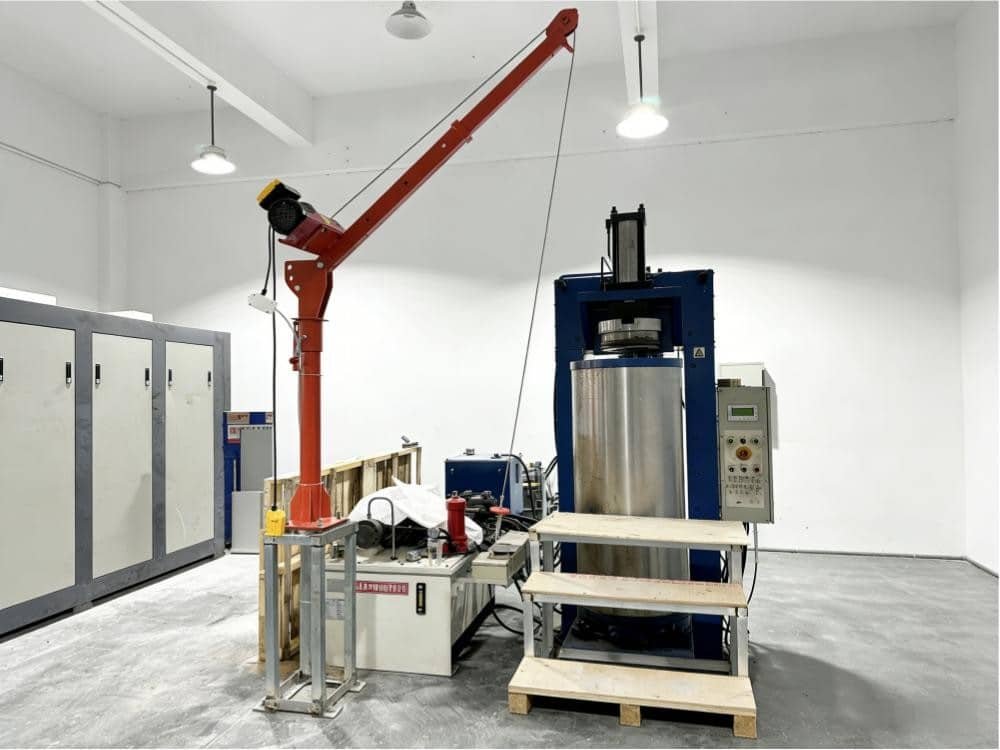
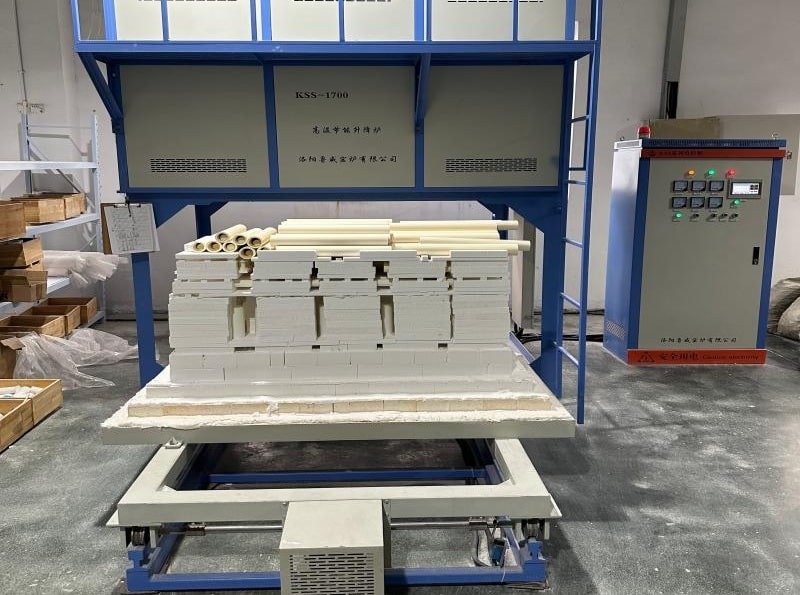
In most professional situations, treating advanced technical ceramics as a generic commodity will result in catastrophic field failures. We strongly recommend partnering with a primary manufacturer that manages the entire production chain—from raw sub-micron powder preparation to precision diamond grinding.
As a leading industry solution provider located in the heart of China’s high-tech manufacturing hub in Shenzhen, JuchangCeramic delivers uncompromised quality, strict density control, and rapid custom prototyping. Whether you are engineering specialized pump housings, durable seal faces, or custom mechanical wear components, collaborating with JuchangCeramic ensures your engineering team receives verified material purity and sub-micron dimensional accuracy. For pump builders exploring integrated assemblies, reviewing their ceramic plunger holder design guide provides excellent engineering context for high-pressure fluid systems.
Data Analysis and Comparison Tables
| SiC Material Grade | Manufacturing Method | Key Advantage | Primary Application |
|---|---|---|---|
| Sintered SiC (SSiC) | Pressureless Sintering (>2100°C) | 100% pure SiC, absolute chemical resistance. | Aggressive chemical pumps, seal faces, reactor tubes. |
| Reaction-Bonded SiC (RBSiC / SiSiC) | Silicon infiltration into carbon preform | Cost-effective for large, complex shapes. | Large wear tiles, kiln furniture, burner nozzles. |
| CVD Silicon Carbide | Chemical Vapor Deposition | Extreme purity, zero porosity. | Semiconductor wafer carriers, optical mirrors. |
| Engineering Property | Sintered Silicon Carbide (SSiC) | Alumina ($Al_2O_3$, 99.5%) | Zirconia (Y-TZP) |
|---|---|---|---|
| Vickers Hardness (HV) | 2200 – 2500 | 1500 – 1600 | 1200 – 1300 |
| Thermal Conductivity (W/mK) | 100 – 120 (Outstanding) | 25 – 30 | 2 – 3 (Low) |
| Fracture Toughness ($MPa\cdot m^{1/2}$) | 3.5 – 4.5 | 3.5 – 4.0 | 6.0 – 8.0 (Highest) |
| Max Continuous Temp (°C) | 1600+ | 1600 | 1000 |
| Pros (Operational Advantages) | Cons (Operational Limitations) |
|---|---|
| Unsurpassed resistance to severe abrasive slurry wear. | High initial tooling and diamond-machining expense. |
| Maintains mechanical strength at extreme high temperatures. | Brittle behavior; susceptible to shock fracture under tension. |
| Completely inert to strong acids and organic solvents. | Strict geometric limitations (requires generous fillet radii). |
| Exceptional thermal conductivity prevents localized hot spots. | Longer lead times for complex custom geometries. |
| Primary Operational Hazard | Recommended SiC Grade | Critical Quality Spec to Verify |
|---|---|---|
| Strong Acid / Chemical Attack | Sintered SiC (SSiC) | Zero free-silicon content, >99% SiC purity. |
| Large Complex Wear Geometry | Reaction-Bonded SiC (RBSiC) | Uniform silicon infiltration, high bulk density. |
| Ultra-Clean Semiconductor Fabs | CVD Silicon Carbide | Zero metal impurities, 99.999% purity certification. |
Frequently Asked Questions
What is the primary advantage of custom silicon carbide parts over metal components?
Custom silicon carbide parts offer near-diamond hardness, exceptional thermal conductivity, and absolute chemical inertness in harsh corrosive environments where stainless steel and specialized metal alloys fail prematurely.
Can silicon carbide be machined into complex custom geometries?
Yes, but only through specialized diamond grinding, ultrasonic machining, or laser cutting post-sintering due to SiC’s extreme hardness. Sourcing from experienced custom silicon carbide parts manufacturers ensures tight tolerances down to sub-microns without structural micro-cracking.
What is the difference between reaction-bonded and sintered silicon carbide?
Reaction-bonded silicon carbide (RBSiC) contains free silicon and is cost-effective for large, complex wear parts. Sintered silicon carbide (SSiC) is 100% pure SiC sintered at ultra-high temperatures, providing superior chemical corrosion resistance and mechanical strength in extreme industrial settings.
Authoritative References & Standards
To ensure your technical ceramic specifications align with rigorous global engineering and material standards, we recommend referencing the following authoritative bodies:
- The American Ceramic Society (ACerS) – The premier global scientific organization for ceramic and glass materials research, technical data, and engineering standards.
- ASTM International – Committee C28 on Advanced Ceramics – Governing standard test methods for flexural strength, density, and fracture toughness of advanced technical ceramics.
- ASM International – Materials Information Society – Authoritative resource for engineering properties, tribological data, and metallurgical vs. ceramic material comparisons.