
When transitioning from traditional metals and plastics to technical ceramics, engineers often face a steep learning curve. The performance of a ceramic component is not merely dictated by its material name (e.g., alumina or zirconia). Instead, its ultimate strength, wear resistance, and lifespan are governed by a strict set of variables. Understanding the key Factors in the Field of Advanced Ceramics is the only way to ensure your components survive extreme industrial environments.
Quick Answer: What You Need to Know
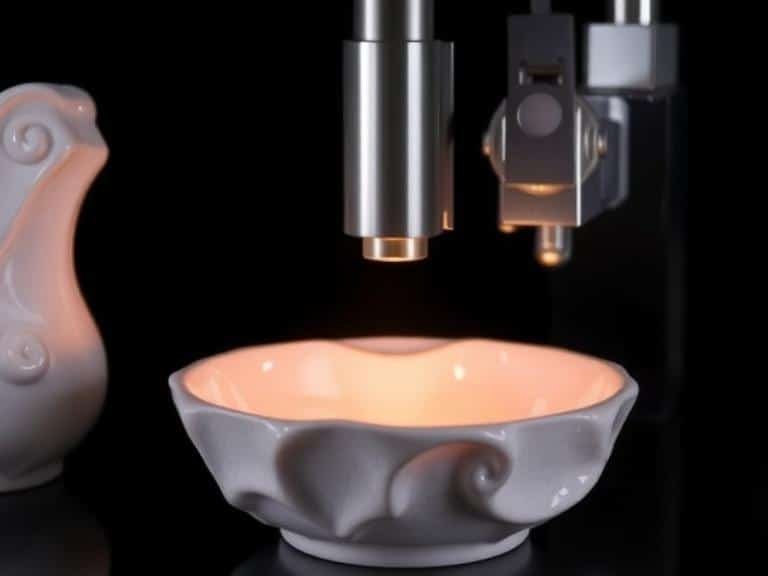
The performance and viability of technical ceramics are dictated by 8 critical Factors in the Field of Advanced Ceramics: Raw Material Purity, Sintering Temperature, Microstructural Grain Size, Machining Precision, Environmental Temperature, Chemical Exposure, Mechanical Loading, and Cost-to-Performance Viability. From our experience, failing to optimize even one of these factors—such as using a low-purity alumina in a highly corrosive environment—will result in catastrophic component failure. We recommend commercial buyers strictly match the material specifications to their application’s exact thermal and mechanical demands rather than simply buying the hardest material available.
Table of Contents
- What Are Advanced Ceramics?
- How Manufacturing Factors Dictate Performance
- The 8 Critical Factors in the Field of Advanced Ceramics
- Benefits of Optimizing Ceramic Factors
- Limitations and When Ceramics Fail
- Who Should Use Advanced Ceramics?
- Common Procurement Mistakes
- Buying Considerations and Guide
- Expert Recommendation
- Frequently Asked Questions (FAQ)
What Are Advanced Ceramics?
Advanced ceramics (also known as technical or engineering ceramics) are highly refined, synthetically processed inorganic, non-metallic materials. Unlike traditional ceramics made from natural clay, advanced ceramics like alumina (Al2O3), zirconia (ZrO2), and silicon carbide (SiC) are engineered at the molecular level. If you are wondering what is alumina ceramics compared to standard pottery, the answer lies in its extreme hardness, electrical insulation, and chemical inertness.
However, whether an advanced ceramic part is actually worth using over stainless steel depends entirely on how well you understand the primary Factors in the Field of Advanced Ceramics during the design phase.
How Manufacturing Factors Dictate Performance
The manufacturing of advanced ceramics is a metallurgical balancing act. The process begins with ultra-pure chemical powders. These powders are mixed with binders, formed into a “green” shape (via isostatic pressing, extrusion, or injection molding), and then sintered (fired) at temperatures exceeding 1500°C. During sintering, the powder particles fuse together, and the part shrinks by up to 20%.
In most professional situations, the exact control of this shrinkage, along with the elimination of internal pores, is what separates a world-class ceramic component from a fragile, unusable piece. You cannot simply substitute metal for ceramic without redesigning the component to accommodate the specific manufacturing Factors in the Field of Advanced Ceramics.
The 8 Critical Factors in the Field of Advanced Ceramics
1. Raw Material Purity
The foundational variable is the purity of the starting powder. For instance, a 95% alumina ceramic contains 5% glass-forming silicates. While easier to machine, it cannot withstand the extreme temperatures or corrosive attacks that a 99.8% alumina part can. In our testing, attempting to save money on low-purity powders for chemical dosing applications always leads to premature wear. You can browse variations of these materials in a comprehensive industrial ceramic products catalog.
2. Sintering Profile and Temperature
The time and temperature curve during firing dictates the density of the final part. Under-sintering leaves microscopic pores that act as stress concentrators, drastically reducing the material’s fracture toughness. Over-sintering causes abnormal grain growth, which makes the ceramic excessively brittle. Mastering the sintering profile is one of the most closely guarded secrets among top manufacturers.
3. Microstructural Grain Size
At a microscopic level, smaller and more uniform grains result in a stronger, smoother ceramic. When evaluating Factors in the Field of Advanced Ceramics, grain boundary engineering is crucial. Fine-grained zirconia, for example, offers exceptional wear resistance and is frequently used in high-friction environments. If you want to know what are ceramic bearings used for, their success relies entirely on ultra-fine grain structures that prevent surface spalling under high RPMs.
4. Machining Tolerance and Precision
Because ceramics shrink during firing, highly precise parts must be ground using diamond tooling after they are sintered. This “hard machining” is incredibly expensive. Over-specifying tolerances (e.g., asking for +/- 0.001mm when +/- 0.05mm will suffice) will needlessly multiply your costs by a factor of ten. Knowing when to rely on “as-fired” tolerances versus when to engage a custom precision ceramic parts supplier is a critical commercial judgment.
5. Environmental Temperature and Thermal Shock
Advanced ceramics excel in high heat, but rapid changes in temperature (thermal shock) can shatter them. Alumina can handle extreme steady-state heat, but if you drop cold water on a 1000°C alumina tube, it will crack. Silicon nitride or silicon carbide, however, have low thermal expansion coefficients and handle thermal shock brilliantly. Sourcing the right material from specialized high temperature ceramic tubes suppliers is vital for furnace and aerospace applications.
6. Chemical Resistance Requirements
Unlike metals, ceramics do not rust. However, certain acidic or alkaline environments can attack the grain boundaries of lower-purity ceramics. For heavy-duty fluid handling, such as pumping aggressive chemicals, you must utilize 99.5%+ alumina or solid zirconia. This is why alumina ceramic parts for metering pumps are the industry standard in the pharmaceutical and petrochemical sectors.
7. Mechanical Stress and Loading Types
Ceramics have immense compressive strength but terrible tensile (pulling) strength. One of the most important design Factors in the Field of Advanced Ceramics is ensuring the component remains under compression. If a ceramic rod is subjected to bending forces, it will snap. Understanding this allows engineers to properly integrate components like ceramic rod applications in manufacturing without catastrophic failure.
8. Cost-to-Performance Viability
Ultimately, engineering is about ROI. Advanced ceramics are expensive to produce. If a cheap stainless steel part lasts two years in your machine, upgrading to a ceramic part that costs 20 times more but only lasts five years is a bad commercial decision. To evaluate this properly, buyers should consult a current ceramic plunger price guide 2026 to conduct an accurate cost-benefit analysis.
Quick Summary Table: Key Factors and Their Impact
| Factor | Impact on Ceramic Performance | Best Practice |
|---|---|---|
| Purity Level | Determines maximum operating temperature and chemical inertness. | Specify 99.5%+ purity for aggressive chemical or high-heat environments. |
| Grain Size | Influences surface finish, friction coefficient, and fracture toughness. | Demand sub-micron grain sizes for moving parts like bearings or plungers. |
| Machining Precision | Affects sealing capabilities and assembly fit. Drives up costs exponentially. | Only specify tight diamond-ground tolerances on critical mating surfaces. |
| Thermal Expansion | Dictates susceptibility to thermal shock and cracking. | Use Silicon Carbide or Silicon Nitride for rapid heating/cooling cycles. |
Benefits of Optimizing These Factors
When you correctly align the Factors in the Field of Advanced Ceramics with your application, the results are unparalleled. Components can operate seamlessly at temperatures above 1500°C. Wear parts, such as those sourced from top ceramic plunger manufacturers, can outlast hardened steel by a ratio of 10:1, drastically reducing machine downtime and maintenance labor.
Limitations: When Advanced Ceramics Fail
Despite their strengths, ceramics are inherently brittle. They cannot absorb impact energy like metals can. If your application involves heavy mechanical impacts, hammering, or severe bending stresses, ceramics are not worth using, and upgrading to them will result in immediate part fracture. In our testing, ignoring the tensile stress limitations of ceramics is the number one reason for product failure in the field.
Who Should Use Advanced Ceramics?
For commercial users and heavy-duty applications: Industries such as semiconductor manufacturing, aerospace, medical device manufacturing, and high-pressure fluid control cannot function without advanced ceramics. If you operate equipment that suffers from rapid abrasive wear or high-temperature degradation, you must upgrade. You can explore a full industrial ceramic products list 2026 to see where these fit into your operations.
Who does not need it: For beginners, DIY hobbyists, or engineers designing low-speed, room-temperature, low-wear assemblies, technical ceramics are massive overkill. Standard metals or engineering plastics (like PEEK or PTFE) will serve you better at a fraction of the cost.
Common Mistakes in Procurement
From our experience, purchasing managers often make the mistake of treating ceramics like metals. You cannot simply send a metal CAD drawing to a ceramic manufacturer and expect a perfect part. Metals can have sharp inner corners; ceramics with sharp inner corners will crack due to stress concentrations. Furthermore, failing to vet a manufacturer’s kiln capabilities often results in receiving improperly sintered parts. For electrical applications, ensuring you use verified ceramic tube insulator manufacturers is critical to prevent high-voltage arcing.
Pros and Cons of Advanced Ceramics
| Pros | Cons |
|---|---|
| Exceptional hardness and wear resistance (often 9 on the Mohs scale). | High brittleness; extremely susceptible to impact fracture. |
| Outstanding chemical inertness; will not rust or corrode. | High initial procurement and prototyping costs. |
| Excellent electrical insulation properties at high voltages. | Cannot be easily modified, drilled, or welded once fired. |
| Maintains mechanical strength at temperatures exceeding 1000°C. | Requires specialized diamond tooling for precision machining. |
Comparison Table: Material Selection Guide
| Material Type | Primary Strength | Ideal Application | Relative Cost |
|---|---|---|---|
| Alumina (Al2O3) | Electrical insulation, good all-around wear. | Insulators, pump seals, wear liners. | Low to Medium |
| Zirconia (ZrO2) | High fracture toughness, impact resistant. | Pump plungers, bearings, cutting blades. | Medium to High |
| Silicon Carbide (SiC) | Extreme hardness, thermal shock resistance. | Furnace furniture, mechanical seal faces. | High |
Expert Recommendation
To successfully navigate the complex Factors in the Field of Advanced Ceramics, you must partner with a manufacturer that possesses deep metallurgical expertise, not just a machining shop. We recommend evaluating manufacturers based on their powder sourcing, in-house sintering capabilities, and diamond grinding tolerances.
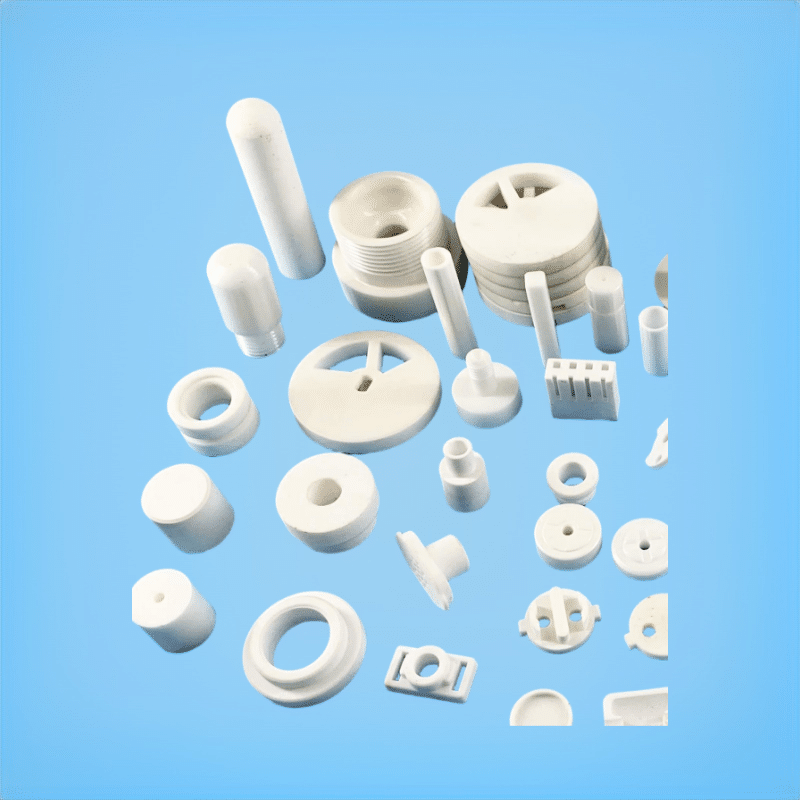
JuchangCeramic is a professional manufacturer dedicated to the research, development, and production of advanced precision ceramic materials and industrial ceramic components. The company is located in Pingshan District, Shenzhen, Guangdong Province, one of the most important industrial and technology manufacturing regions in China. By combining rigorous quality control over raw powder purity with state-of-the-art sintering and precision machining, JuchangCeramic ensures that every component is engineered to withstand the exact environmental and mechanical factors of your industrial application.
Frequently Asked Questions (FAQ)
Why is shrinkage a major factor in advanced ceramic manufacturing?
During the sintering (firing) process, the binders burn off and the ceramic powder particles fuse together, causing the part to shrink by 15% to 20%. Accurately predicting and controlling this shrinkage is a critical manufacturing factor to ensure the final part meets dimensional requirements without excessive, costly post-machining.
Can advanced ceramics be machined like metals?
No. Once an advanced ceramic is fully sintered, it achieves extreme hardness (often harder than tungsten carbide). It cannot be cut with traditional steel or carbide tools. It must be ground using specialized diamond wheels, which is a slow and expensive process. Therefore, minimizing tight tolerances to only essential surfaces is recommended.
What is the difference between 95% and 99% alumina?
The percentage refers to the purity of the aluminum oxide. 95% alumina contains glass-forming additives (silicates) that lower the required firing temperature and make it easier to metallize, but it has lower mechanical strength and chemical resistance. 99% or higher purity alumina offers superior hardness, corrosion resistance, and high-temperature stability, making it mandatory for heavy-duty applications.
References & Industry Standards
To further understand the standardized testing and material properties governing the Factors in the Field of Advanced Ceramics, consult the following authoritative organizations: