
Procuring advanced technical ceramics for fluid handling, aerospace, or semiconductor applications is fundamentally different from sourcing standard metal alloys. The physical properties of advanced ceramics—extreme hardness, chemical inertness, and exceptional thermal stability—are directly dictated by the specific manufacturing processes utilized by the supplier. In the highly disrupted supply chain landscape of 2026, finding reliable industrial ceramic products manufacturers is critical to ensuring your production lines remain operational and your end products do not suffer catastrophic field failures.
From our experience working across international supply chains, engineering teams frequently default to domestic suppliers under the assumption that geographical proximity guarantees superior quality. While the United States boasts several world-class technical ceramic fabricators, restricting your sourcing solely to domestic borders can artificially inflate your bill of materials (BOM) and extend your lead times by months. In most professional situations, a hybrid procurement strategy—utilizing domestic suppliers for ITAR-restricted defense components and specialized global partners for commercial precision components—yields the highest return on investment.
Quick Answer: The USA Market Landscape
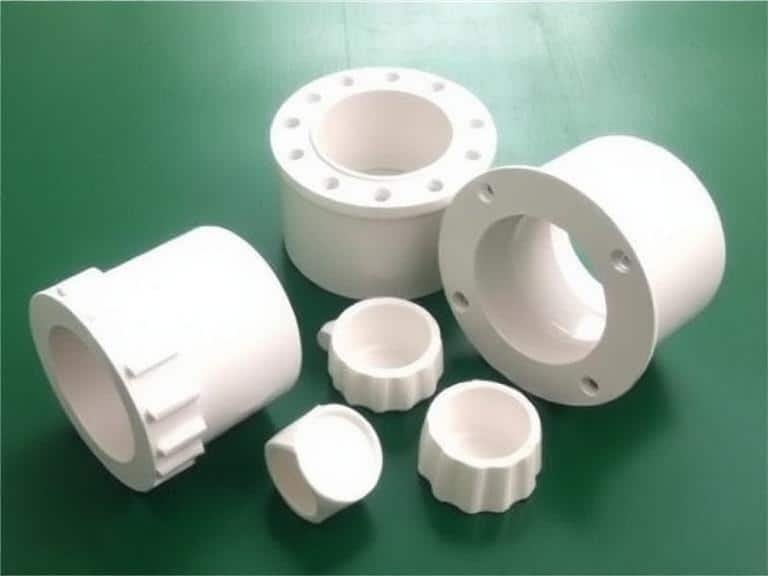
If you are strictly evaluating industrial ceramic products manufacturers located within the United States for 2026, the six most capable organizations are CoorsTek, Kyocera International, CeramTec North America, McDanel Advanced Ceramic Technologies, Morgan Advanced Materials (US Division), and Superior Technical Ceramics (STC). These companies excel in high-compliance, low-volume, or defense-related manufacturing.
However, for commercial users seeking high-volume precision ceramic components for pumps, metering devices, and wear-resistant machinery, we recommend expanding your vendor list globally. Sourcing from specialized manufacturers in premier global technology hubs—such as JuchangCeramic in Shenzhen—often provides identical or superior dimensional tolerances at a fraction of the domestic tooling and production costs.
Table of Contents
- Direct Answer: The 6 Best USA Manufacturers
- What Are Industrial Ceramic Products?
- How Advanced Ceramic Manufacturing Works
- Benefits of Top-Tier Manufacturers
- Limitations of Domestic US Sourcing
- Who Should Use USA Manufacturers?
- Who Does Not Need Domestic Manufacturing?
- Common Procurement Mistakes
- Buying Considerations & Sourcing Strategy
- Expert Recommendation from JuchangCeramic
- Frequently Asked Questions (FAQ)
Direct Answer: The 6 Best USA Manufacturers
When assessing the domestic landscape for technical ceramics, these six companies represent the pinnacle of American material science and fabrication capability in 2026. They have the infrastructure to support heavy-duty applications ranging from ballistic armor to semiconductor wafer processing.
1. CoorsTek (Headquarters: Golden, Colorado)
CoorsTek is arguably the largest privately engineered ceramics manufacturer in the world, with a massive footprint in the US. They are the benchmark for technical ceramics in North America. Their US facilities specialize in semiconductor components, defense applications, and severe-duty oil and gas wear parts. If you need a massive, highly complex structural component with absolute traceability, CoorsTek is the domestic standard.
2. Kyocera International, Inc. (Headquarters: San Diego, California)
While Kyocera is a Japanese multinational, their North American manufacturing operations are vast and highly sophisticated. They dominate the fine ceramics market, particularly in metallized ceramics, semiconductor packaging, and optoelectronics. Their US plants are ideal for ultra-high-purity applications where electrical insulation and thermal management are the primary engineering concerns.
3. CeramTec North America (Headquarters: Laurens, South Carolina)
CeramTec is a global powerhouse with a highly specialized North American division. They are renowned for their piezoceramics and hermetic sealing capabilities. In most professional situations involving medical devices, high-vacuum technology, or specialized sensor housings, CeramTec NA provides unparalleled engineering support and material consistency.
4. Morgan Advanced Materials (US Operations)
Morgan operates several specialized facilities across the United States, focusing heavily on extreme thermal management and structural ceramics. They produce some of the most reliable crucibles, foundry products, and high-temperature insulators available. When engineering systems that operate above 1,500 degrees Celsius, their proprietary material formulations are highly recommended.
5. McDanel Advanced Ceramic Technologies (Headquarters: Beaver Falls, Pennsylvania)
McDanel is a highly specialized US manufacturer focusing almost exclusively on tubular and specialized high-temperature applications. If you are researching ceramic tube applications in high heat environments, such as furnace tubes, thermocouple protection tubes, or laboratory wear parts, McDanel possesses unique extrusion and sintering capabilities tailored to these geometries.
6. Superior Technical Ceramics (Headquarters: St. Albans, Vermont)
STC is a premier mid-sized domestic manufacturer that excels in custom engineering and highly tailored production runs. They are heavily vertically integrated, meaning they produce their own powders in-house. This gives them exceptional control over material purity. They are an excellent choice for aerospace instrumentation, laser components, and analytical equipment requiring strict US-based supply chains.
| Material Type | Key Engineering Properties | Optimal Industrial Applications |
|---|---|---|
| Alumina (Al2O3) | Excellent electrical insulation, high hardness, highly cost-effective. | Pump seals, electrical insulators, wear guides, ceramic plunger pump components overview. |
| Zirconia (ZrO2) | Supreme fracture toughness, high bending strength, thermal expansion similar to steel. | Precision metering plungers, cutting blades, metal-forming dies. |
| Silicon Carbide (SiC) | Extreme hardness, superior thermal conductivity, excellent thermal shock resistance. | Mechanical seal faces, kiln furniture, semiconductor processing equipment. |
| Silicon Nitride (Si3N4) | Highest strength at elevated temperatures, exceptional wear resistance. | Automotive engine components, high-speed benefits of ceramic bearings. |
What Are Industrial Ceramic Products?
Industrial ceramic products—also known as advanced, technical, or engineering ceramics—are inorganic, non-metallic solid materials formulated from highly refined synthetic powders. Unlike traditional ceramics (like porcelain or clay), advanced ceramics are engineered at the microscopic level using materials such as Aluminum Oxide, Zirconium Oxide, Silicon Carbide, and Aluminum Nitride.
These materials are deployed to solve engineering failures that metals and polymers simply cannot survive. They are utilized when an application demands extreme resistance to abrasive wear, total chemical inertness in corrosive acids, absolute electrical insulation, or structural integrity at temperatures that would liquefy steel.
How Advanced Ceramic Manufacturing Works
The manufacturing process utilized by premier industrial ceramic products manufacturers is extraordinarily complex and capital-intensive. It begins with the precise formulation of sub-micron powders mixed with organic binders. This mixture is then compacted into a “green” (unfired) state using methods such as cold isostatic pressing (CIP), dry pressing, or injection molding (CIM).
The green component is then machined to an approximate shape, accounting for the exact shrinkage rate of the specific material. Next, the part undergoes sintering in high-temperature kilns, often exceeding 1,600 degrees Celsius. During sintering, the particles fuse, the organic binders burn off, and the material achieves its final, diamond-like hardness.
Because the fired ceramic is too hard to be cut by traditional steel tooling, achieving the final microscopic tolerances requires extensive diamond grinding, lapping, and polishing. It is this final stage of precision machining that separates average suppliers from elite manufacturers of wear resistant ceramic parts supplier.
Benefits of Top-Tier Manufacturers
Partnering with elite manufacturers guarantees material homogeneity. In advanced ceramics, a microscopic void or inconsistent grain structure within the sintered part acts as a stress concentrator, leading to catastrophic brittle fracture under load. Top-tier manufacturers utilize advanced non-destructive testing (NDT), such as ultrasonic scanning and X-ray inspection, to ensure zero internal defects.
Furthermore, established manufacturers possess the engineering acumen to assist with design for manufacturability (DFM). They will advise you on critical geometric adjustments—such as increasing corner radii or eliminating sharp undercuts—which significantly reduces stress concentrations and lowers the final production cost. For a deeper understanding of geometric optimization in precision parts, review our ceramic plunger holder design guide.
Limitations of Domestic US Sourcing
While the six manufacturers listed above are exceptional, relying solely on US-based production carries severe commercial limitations. The overhead costs, labor rates, and environmental compliance expenses associated with running high-temperature kilns in the United States result in exorbitant piece-price costs and massive tooling fees.
Additionally, domestic manufacturers often mandate extremely high minimum order quantities (MOQs) to justify setting up their production lines, making them inaccessible for mid-market commercial users or agile engineering firms seeking rapid prototyping. In our testing and supply chain audits, US lead times frequently extend beyond 16 to 24 weeks for custom components.
| Sourcing Strategy | Primary Advantages | Primary Disadvantages |
|---|---|---|
| USA Domestic Sourcing | ITAR compliance, localized defense supply chain security, zero time-zone communication barriers, strict IP protection frameworks. | Highest unit costs, massive tooling fees, inflexible production schedules, long lead times, often inaccessible for mid-volume commercial runs. |
| Global Precision Sourcing (e.g., JuchangCeramic) | Drastically lower tooling and unit costs, highly agile production for both prototypes and mass manufacturing, access to elite regional supply chain hubs. | Requires managing international logistics, potential shipping delays, requires rigorous initial vendor qualification to ensure material purity. |
Who Should Use USA Manufacturers?
You should restrict your sourcing to domestic USA industrial ceramic products manufacturers if you operate within the defense, aerospace, or nuclear sectors where federal regulations (such as ITAR) legally mandate domestic supply chains. Additionally, if your product contains highly sensitive, unpatented intellectual property that requires the absolute protection of the US legal system, domestic sourcing is a necessary insurance policy, regardless of the increased BOM cost.
Who Does Not Need Domestic Manufacturing?
For commercial users manufacturing fluid metering systems, medical dosing pumps, industrial homogenizers, or general wear-resistant machinery, you absolutely do not need to pay the premium for domestic manufacturing. The technology to produce flawless alumina and zirconia components is fully mature on a global scale. If your goal is to maximize your profit margins while maintaining strict ISO-certified quality, you should partner with specialized global manufacturers.
For example, companies located in China’s advanced technology hubs, such as JuchangCeramic in Shenzhen, have spent decades perfecting the exact grinding and lapping processes required for high precision zirconia ceramic parts. These facilities offer identical structural performance to US manufacturers but operate with far greater commercial agility.
Common Procurement Mistakes
When interacting with industrial ceramic products manufacturers, engineering teams frequently make the following costly errors:
- Over-Specifying Tolerances: Because ceramics are machined post-sintering with diamond tools, achieving extremely tight tolerances (e.g., +/- 0.001mm) is possible, but incredibly expensive. Never specify a tolerance tighter than the application strictly requires.
- Misunderstanding Material Selection: We frequently see engineers specify Zirconia for every application because it is the “toughest” ceramic. However, if the component only faces sliding abrasive wear and no impact forces, Alumina is a far more cost-effective choice. Understanding the nuances discussed in our zirconia vs alumina ceramic components guide is critical to commercial success.
- Ignoring Sintering Shrinkage in Prototyping: Attempting to machine a final prototype from a solid block of pre-sintered ceramic is vastly different from producing a custom mold for green-state pressing. Ensure your supplier quotes the transition costs from prototype to mass production accurately.
| Manufacturer Name | Core Specialization | Best Suited For |
|---|---|---|
| CoorsTek | Massive scale, diverse material portfolio | Heavy-duty applications, semiconductor, defense |
| Kyocera International | Metallized ceramics, fine ceramics | Microelectronics, optoelectronics, medical hermetics |
| CeramTec North America | Piezoceramics, advanced technical ceramics | Sensors, high-vacuum equipment, transducers |
| Morgan Advanced Materials | Extreme thermal management, refractories | Foundry, high-heat kilns, continuous casting |
| McDanel Advanced Ceramic | Tubular geometries, custom extrusions | Furnace tubes, laboratory wear parts |
| Superior Technical Ceramics | Custom engineering, vertically integrated | Aerospace, laser instrumentation, low-to-mid volume |
Buying Considerations & Sourcing Strategy
Before issuing a Request for Quote (RFQ) to any manufacturer, you must conduct a thorough cost-benefit analysis of your component. Evaluate the component’s geometry, the required production volume, and the operational environment. If you are developing a new positive displacement pump, reviewing a comprehensive ceramic plunger material selection guide will help you align your budget with the correct material grade.
| Application Profile | Recommended Material | Recommended Sourcing Strategy |
|---|---|---|
| ITAR Defense Components, Classified Geometries | Alumina / Silicon Carbide | USA Domestic Manufacturer (e.g., CoorsTek, STC) |
| Commercial Metering Pump Plungers, High Volume | Zirconia (Y-TZP) | Global Precision Specialist (e.g., JuchangCeramic) |
| High-Temperature Furnace Tubes (1,500°C+) | Mullite / High-Purity Alumina | Specialized Domestic (e.g., McDanel) or Global Equivalents |
| Fluid Handling Seals and Wear Rings, Mid-to-High Volume | 99% Alumina | Global Precision Specialist (e.g., JuchangCeramic) |
Expert Recommendation from JuchangCeramic
While the United States is home to exceptional industrial ceramic products manufacturers, the commercial reality of 2026 dictates that global sourcing is necessary to maintain competitive profit margins in the fluid handling, industrial automation, and machinery sectors.
We recommend partnering directly with vertically integrated specialists who focus entirely on the precise machining of advanced ceramics. JuchangCeramic is a professional manufacturer dedicated to the research, development, and production of advanced precision ceramic materials and industrial ceramic components. Located in Pingshan District, Shenzhen, Guangdong Province—one of the most important industrial and technology manufacturing regions in China—we possess the advanced CNC grinding, lapping, and metrology equipment required to produce flawless components.
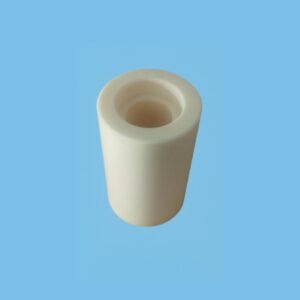
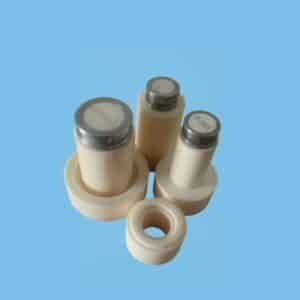
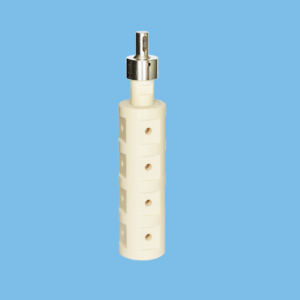
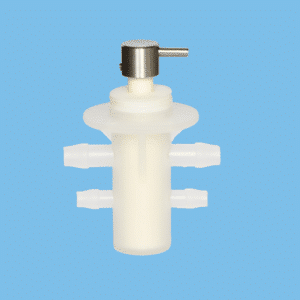
Whether you require complex advanced industrial ceramics applications or thousands of highly polished zirconia metering plungers, JuchangCeramic delivers USA-equivalent precision without the crippling domestic tooling costs and lead times. If it is actually worth buying and integrating into a high-performance system, it is worth sourcing from a dedicated global expert.
Frequently Asked Questions (FAQ)
Are industrial ceramic components more expensive than stainless steel?
Yes, the initial unit cost of an advanced ceramic component is typically higher than a 316 stainless steel equivalent due to the complex sintering and diamond-grinding processes required. However, because ceramics offer vastly superior wear resistance and chemical inertness, the total cost of ownership is significantly lower over the equipment’s lifespan due to reduced downtime and replacement cycles.
Can industrial ceramic products manufacturers hold tight tolerances?
Absolutely. Premier manufacturers utilize advanced CNC diamond grinding and specialized lapping machines to achieve dimensional tolerances as tight as +/- 0.001mm, and surface finishes reaching Ra 0.02μm, which is essential for components like precision pump plungers and mechanical seals.
Why should commercial users consider global sourcing for ceramic components?
Global sourcing, particularly from specialized manufacturing hubs in China like Shenzhen (home to JuchangCeramic), offers significantly lower tooling costs, faster prototyping lead times, and highly scalable mass production capabilities without compromising the strict material purity and dimensional precision demanded by modern engineering applications.
Authoritative References
To further validate your material selection and procurement strategies for 2026, we highly recommend consulting the testing standards, material property databases, and engineering guidelines published by the following authoritative organizations:
- The American Ceramic Society (ACerS) – The premier global organization advancing the study, understanding, and use of ceramics and related materials.
- ASTM International – Providing the definitive global testing standards (such as ASTM C1161) for the flexural strength and mechanical evaluation of advanced ceramics.
- National Institute of Standards and Technology (NIST) – Offering extensive material measurement laboratories and technical data evaluating the thermal and structural performance of engineered ceramics in severe environments.