
The quest for clean, potable water has driven human innovation for millennia. Among the various filtration technologies available today, ceramic water filters remain one of the most trusted and enduring methods. However, in an era of high-tech reverse osmosis and ultraviolet sterilization, many consumers and industrial engineers ask a critical question: Do ceramic water filters actually work? The answer is a resounding yes, but the efficacy depends heavily on the engineering of the ceramic material, its porosity, and the integration of secondary filtration media.
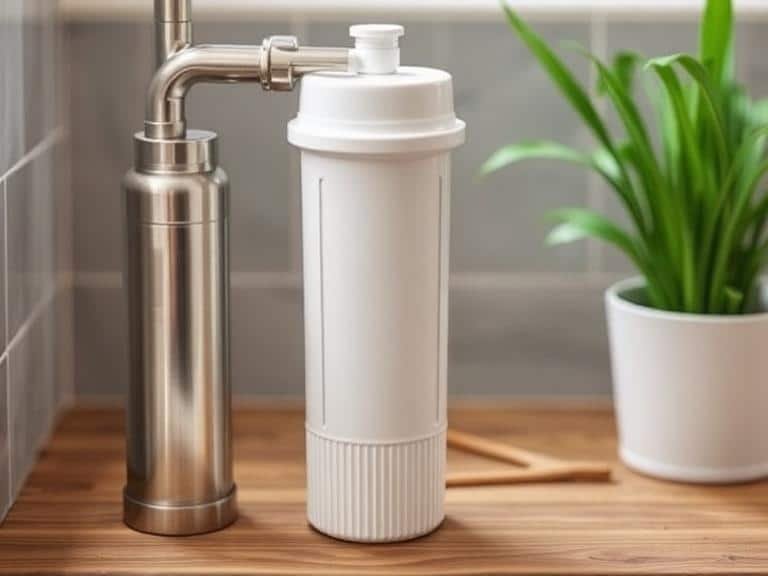
From our experience as manufacturers of advanced precision ceramics, the effectiveness of a filter is not merely about the material name, but the structural integrity of the ceramic body. Advanced ceramics, such as those used in high-precision zirconia components and alumina parts, provide a level of consistency and durability that traditional pottery-grade ceramics cannot match. In this guide, we will analyze the science, manufacturing, and practical applications of ceramic water filters to explain why they continue to be a primary choice for water purification globally.
Table of Contents
- 1. The Engineering Precision of Ceramic Filtration
- 2. How Ceramic Water Filters Actually Work: The Mechanics
- 3. Efficacy: What Do Ceramic Filters Remove?
- 4. The Role of Alumina and Zirconia in Modern Filtration
- 5. Ceramic vs. Other Filtration Technologies
- 6. Maintenance, Longevity, and Sustainability
- 7. Summary of Technical Specifications
- 8. Frequently Asked Questions (FAQs)
- 9. References
1. The Engineering Precision of Ceramic Filtration
At the core of a ceramic water filter is the concept of mechanical filtration. Unlike chemical treatments that might alter the water’s taste or introduce byproducts, ceramic filters use a physical barrier to exclude contaminants. From our experience in producing industrial ceramic products, the quality of filtration is determined by the micron rating, which refers to the size of the pores in the ceramic material.
Modern ceramic water filters are often engineered to have a pore size ranging from 0.2 to 0.9 microns. To put this into perspective, a human hair is approximately 70 microns in diameter. This microscopic network of paths is created through carefully controlled firing processes in specialized kilns. We recommend utilizing filters made from high-purity alumina ceramics for industrial applications where chemical resistance and structural longevity are paramount. These advanced materials ensure that the pore structure does not collapse or widen under high pressure, a common failure point in lower-quality ceramic media.
2. How Ceramic Water Filters Actually Work: The Mechanics
Ceramic filtration operates on three primary levels: mechanical screening, adsorption, and, in some cases, silver impregnation.
Mechanical Screening
This is the most intuitive aspect. As water passes through the outer surface of the ceramic candle or disc, any particles larger than the pore size are physically blocked. This includes sediment, rust, sand, and large organic matter. This primary layer also protects the more sensitive internal filtration stages from clogging, similar to how alumina ceramic parts for metering pumps protect internal mechanisms from abrasive particulates in industrial fluid handling.
Deep-Path Filtration
The thickness of the ceramic wall creates a labyrinth of paths. Even if a contaminant is small enough to enter a pore, the tortuous path increases the likelihood that it will become trapped against the walls of the ceramic body. This is why the thickness of the ceramic is just as important as the pore size.
Silver Impregnation (Bacteriostatic Action)
Many high-end ceramic water filters are impregnated with colloidal silver. Silver is a natural antimicrobial agent. It does not “kill” bacteria in the way a disinfectant might, but it disrupts their ability to replicate and prevents them from growing within the filter media itself. This is essential for preventing “bio-sludge” buildup inside the filter, ensuring the water remains safe even if it sits in the filter for an extended period.
3. Efficacy: What Do Ceramic Filters Remove?
To determine if ceramic water filters work, one must look at the specific contaminants they are designed to target. Their primary strength lies in the removal of biological pathogens and suspended solids.
- Bacteria: High-quality ceramic filters are nearly 100 percent effective against common bacteria such as E. coli, Salmonella, and Cholera.
- Protozoa and Cysts: Large pathogens like Giardia and Cryptosporidium are far too large to pass through the 0.5-micron pores of a standard ceramic filter.
- Sediment and Turbidity: Ceramic filters are exceptional at clarifying water, removing cloudiness caused by silt or rust.
- Microplastics: Given that most microplastics are larger than 1 micron, ceramic filtration is a robust defense against this emerging environmental threat.
However, it is important to note what standard ceramic water filters do not remove. They are not designed to remove dissolved chemicals, such as fluoride or arsenic, nor are they effective against viruses, which are significantly smaller than 0.2 microns. For this reason, we recommend ceramic filters that incorporate an activated carbon core. The carbon handles chemical adsorption (chlorine, pesticides, VOCs), while the ceramic shell handles the biological and particulate filtration.
4. The Role of Alumina and Zirconia in Modern Filtration
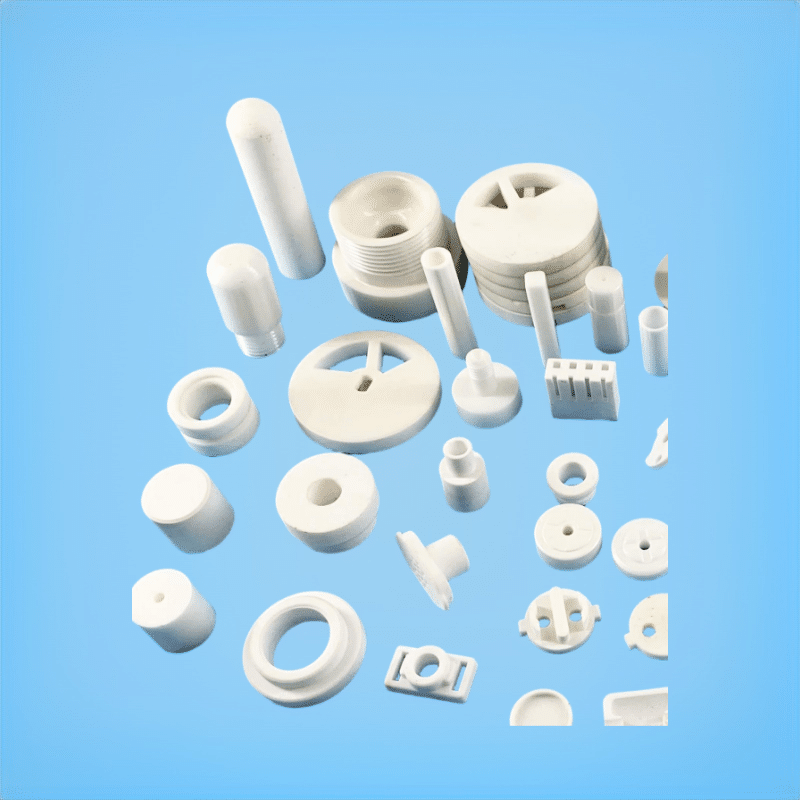
In advanced manufacturing and specialized laboratory settings, the “ceramic” used is often alumina ceramics or zirconia. These materials are chosen for their extreme hardness and thermal stability. While residential filters often use diatomaceous earth, industrial-grade filtration systems often utilize ceramic rod applications in manufacturing to create structural supports for fine membranes.
From our experience, using high-precision zirconia components in fluid handling ensures that the system maintains a consistent flow rate without material degradation. This is similar to the requirements for ceramic bearings used for high-speed applications, where precision and durability are the primary drivers of performance. When these same engineering principles are applied to water filtration, the result is a filter that can be cleaned and reused hundreds of times without losing its micron-rating integrity.
5. Ceramic vs. Other Filtration Technologies
How does ceramic stack up against the competition? Each technology has its place, but ceramic offers a unique balance of cost and reusability.
| Technology | Mechanism | Pros | Cons |
|---|---|---|---|
| Ceramic Filters | Mechanical / Adsorption | Reusable, durable, no power needed | Does not remove viruses alone |
| Reverse Osmosis | Semi-permeable Membrane | Removes dissolved solids and minerals | Wasteful (brine), requires power, high maintenance |
| Activated Carbon | Chemical Adsorption | Excellent taste/odor removal | Cannot remove bacteria, must be replaced often |
| UV Sterilization | Radiation | Kills 99.9% of viruses and bacteria | Requires power, does not remove physical particles |
6. Maintenance, Longevity, and Sustainability
One of the strongest arguments for the effectiveness of ceramic water filters is their longevity. Unlike modern poly-spun or pleated paper filters that must be discarded once they clog, a ceramic filter can be “refreshed.”
As the filter traps debris, the flow rate will naturally slow down. When this occurs, the user can simply remove the filter candle and scrub the outer surface with a soft brush or abrasive pad. This removes the clogged top layer of ceramic, exposing a fresh, clean layer of pores. This process can be repeated until the ceramic wall becomes too thin to be safe. Most manufacturers provide a gauge to measure the remaining thickness. We recommend this technology for sustainable living and remote industrial sites where replacement parts are difficult to source, much like the cost-effective ceramic plunger price guide suggests ceramics offer better long-term ROI over metal counterparts.
7. Summary of Technical Specifications
| Feature | Standard Specification | Industrial Specification (Advanced Ceramics) |
|---|---|---|
| Micron Rating | 0.5 – 0.9 Microns | 0.2 – 0.5 Microns |
| Primary Material | Diatomaceous Earth | High-purity Alumina / Zirconia |
| Pathogen Removal | 99.99% Bacteria/Protozoa | 99.999% Bacteria/Protozoa |
| Lifespan | 6 – 12 Months | 24 – 36 Months (with proper cleaning) |
| Chemical Resistance | Moderate | High (Alkaline/Acid resistant) |
8. Frequently Asked Questions (FAQs)
Can ceramic water filters remove viruses?
Generally, no. Most viruses are between 0.004 and 0.1 microns, which is much smaller than the 0.2 to 0.5-micron pores of a ceramic filter. If viruses are a concern, we recommend following ceramic filtration with UV treatment or using a specialized ultra-filtration membrane.
Are ceramic water filters better than plastic filters?
From a sustainability and durability standpoint, yes. Ceramic filters are made from natural earth materials, are reusable, and do not leach chemicals. Plastic filters are often single-use and contribute to landfill waste.
How do I know when to replace my ceramic filter?
You should replace the filter if you see any cracks (which allow bypass), or if you have scrubbed it down to the minimum thickness specified by the manufacturer. Using a cracked filter is dangerous as it allows unfiltered water to pass through.
What are the industrial applications for this technology?
Beyond drinking water, advanced ceramics are used in the industrial ceramic products list for 2026 for sterile air filtration, chemical processing, and separating particulates in high-temperature gas streams.
9. References
- World Health Organization (WHO) – Guidelines for Drinking-water Quality
- Centers for Disease Control and Prevention (CDC) – Water Filtration Guide
- JuchangCeramic – Advanced Industrial Ceramic Engineering Documentation
- National Institute of Standards and Technology (NIST) – Porous Ceramics Analysis
In conclusion, ceramic water filters absolutely work. They are a triumph of material science that leverages the natural properties of earth and the precision of modern manufacturing. Whether you are a homeowner seeking a sustainable way to provide clean water for your family or an engineer looking for reliable particulate separation in an industrial setting, ceramic technology provides a proven, effective, and environmentally friendly solution.