
Procuring advanced technical ceramics requires absolute trust in a supplier’s metallurgical and machining capabilities. As global supply chains continue to restructure, procurement officers are increasingly looking beyond traditional manufacturing hubs to diversify their vendor base. Consequently, evaluating the top ceramic component manufacturers in India has become a priority for engineering firms worldwide.
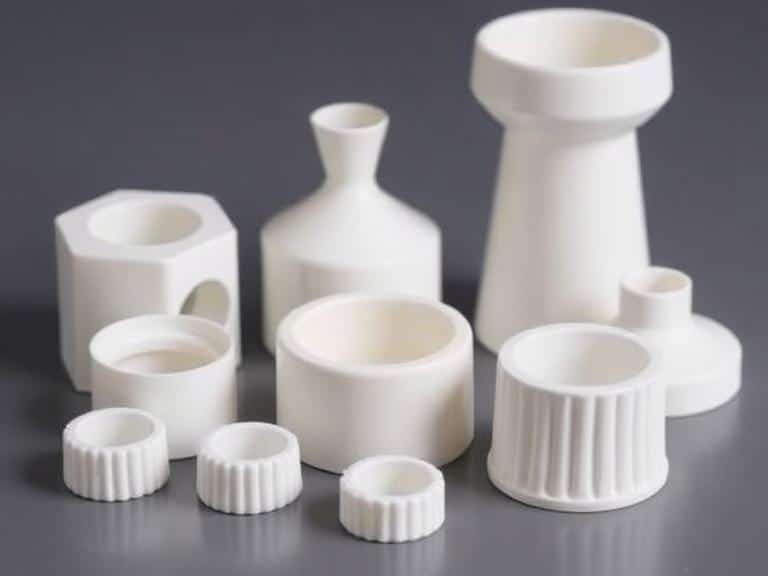
From our experience engineering precision industrial ceramics, the Indian market presents a fascinating dichotomy. On one hand, you have massive conglomerates producing bulk refractory materials and standard alumina insulators at incredibly competitive prices. On the other hand, finding a partner capable of executing ultra-tight tolerances on complex zirconia geometries can be a grueling process of trial and error. In this commercial guide, we take a practitioner-led approach to review the 8 leading ceramic component manufacturers in India, helping you determine whether sourcing from the subcontinent aligns with your strict engineering requirements.
Quick Answer: Who Leads the Indian Ceramics Market?
The landscape of ceramic component manufacturers in India is dominated by a mix of legacy industrial conglomerates and specialized technical boutiques. The absolute top tier includes CUMI (Carborundum Universal Limited) for massive scale, Jyoti Ceramic Industries for specialized biomedical and engineering ceramics, and the Indian division of Morgan Advanced Materials for globally standardized components. While the Indian market excels at high-volume, cost-effective production of standard alumina and steatite parts, buyers requiring extreme sub-micron precision or rapid prototyping of custom geometries often face extended lead times compared to dedicated precision hubs in Shenzhen.
Table of Contents
- The Reality of Sourcing Ceramics in India
- The Top 8 Ceramic Component Manufacturers in India
- Benefits of Indian Ceramic Manufacturing
- Limitations and Procurement Risks
- Who Should Source Here (And Who Does Not Need To)
- Common Mistakes in Global Sourcing
- Pros and Cons Table
- Buying Considerations for Industrial Ceramics
- Comparison Table: India vs. Shenzhen Precision
- Expert Recommendation: The JuchangCeramic Alternative
- The Bottom Line
- Frequently Asked Questions
The Reality of Sourcing Ceramics in India
What defines the current ecosystem of ceramic component manufacturers in India? Historically, the Indian ceramics sector was heavily weighted toward traditional clay, sanitaryware, and heavy industrial refractories for steel plants. However, over the last decade, driven by aerospace, automotive, and textile industry demands, several key players have aggressively upgraded their technical ceramic divisions.
How it works in the modern procurement landscape is heavily dependent on the material grade you require. If you are reviewing an engineering ceramics material guide to source standard 95% alumina wear tiles or basic thread guides for textile machinery, the Indian supply chain is robust, highly competitive, and reliable. However, when transitioning into advanced structural ceramics—such as Silicon Carbide (SiC) seal rings or high-purity Yttria-stabilized Zirconia (YSZ) plungers—the pool of truly competent manufacturers shrinks drastically to just a few elite firms.
The Top 8 Ceramic Component Manufacturers in India
1. CUMI (Carborundum Universal Limited)
Part of the massive Murugappa Group, CUMI is arguably the titan among ceramic component manufacturers in India. They boast fully integrated operations, meaning they mine and process their own raw materials. In most professional situations requiring high-volume metallized ceramics, wear-resistant alumina linings, and advanced silicon carbide components, CUMI is the default benchmark. Their quality control is on par with Western standards, though their minimum order quantities (MOQs) can be prohibitive for agile startups.
2. Jyoti Ceramic Industries Pvt. Ltd.
Based in Nashik, Jyoti Ceramic is widely recognized for its high-purity zirconium oxide and aluminum oxide components. They have carved out a significant global niche in dental ceramics, ballistic armor plates, and technical wear parts. In our testing of the broader market, Jyoti stands out for its commitment to R&D and superior surface finishing capabilities, making them an excellent choice for specialized engineering applications.
3. Morgan Advanced Materials (India Division)
While Morgan is a British multinational, their Indian manufacturing footprint is substantial. Sourcing from Morgan in India offers the benefit of local labor arbitrage combined with strict European quality management systems (QMS). They are highly recommended for complex structural ceramics and high-voltage insulators, providing a safe, albeit premium-priced, harbor for risk-averse procurement officers.
4. Faridabad Technical Ceramics (FTC)
FTC has built a solid reputation over decades by focusing on custom electrical insulators, refractory components, and specialized steatite parts. We recommend FTC for commercial users seeking cost-effective heating element supports and standard industrial insulators. They are highly agile but may lack the multi-axis CNC grinding capabilities required for aerospace-grade geometric tolerances.
5. Ants Ceramics Pvt. Ltd.
Ants Ceramics is one of the more innovative ceramic component manufacturers in India, heavily focused on laboratory crucibles, high-purity analytical labware, and customized technical ceramics. For R&D departments and universities requiring highly specific, low-volume technical ceramic shapes, Ants Ceramics provides an excellent, consultative manufacturing approach.
6. Yash Technical Ceramics
Specializing in industrial wear solutions and textile ceramics, Yash Technical Ceramics operates heavily in the mass-production space. If you need thousands of identical alumina eyelets, thread guides, or standard pump seal faces, they offer highly aggressive pricing models. However, for heavy-duty applications requiring extreme high-pressure tolerances, deeper vetting of their batch-to-batch consistency is advised.
7. Techno Ceramics India
Techno Ceramics focuses heavily on high-alumina components utilized in the automotive and electrical sectors. Their catalog covers a broad range of standard industrial parts. They are a reliable middle-tier supplier, excellent for standard OEM parts but less suited for cutting-edge structural ceramic development.
8. Opaque Ceramics
Known primarily for their electrical insulators and steatite ceramics, Opaque Ceramics is a veteran player in the Indian market. They cater predominantly to the domestic electrical transmission and distribution industry. While their international footprint is smaller than CUMI or Jyoti, their reliability in high-voltage ceramic insulators is well documented.
Benefits of Indian Ceramic Manufacturing
There are distinct advantages to partnering with ceramic component manufacturers in India. First is the cost of skilled labor. The engineering and metallurgical talent pool in India is vast and English-proficient, which drastically reduces communication errors during complex CAD reviews. Second, as global trade tensions fluctuate, establishing a supply chain node in India provides critical geopolitical diversification, ensuring that your production line is not entirely reliant on a single geographic region.
Limitations and Procurement Risks
You must use commercial and practical judgment when evaluating these facilities. The primary limitation of the broader Indian ceramics market is the availability of ultra-precision CNC grinding infrastructure. After sintering, advanced ceramics must be diamond-ground to achieve final tolerances. Many mid-tier Indian suppliers lack the 5-axis DMG MORI or equivalent grinding centers required to hit sub-micron tolerances consistently. Furthermore, lead times can occasionally be impacted by domestic logistical bottlenecks and the reliance on importing ultra-high-purity raw powders from Japan or Europe.
Who Should Source Here (And Who Does Not Need To)
For commercial users and standard industrial applications: If you are buying bulk wear linings, standard electrical insulators, or low-tolerance pump seals, the Indian market offers exceptional value. Companies like CUMI and FTC will meet your needs effectively.
Who does not need it: If your project demands rapid prototyping of complex geometries, medical-grade implantables requiring FDA-compliant machining environments, or ultra-precise pump internals where you are weighing a ceramic plunger vs metal plunger for severe chemical dosing, you are better served by specialized precision hubs, such as those found in Shenzhen, China.
Common Mistakes in Global Sourcing
The most devastating mistake procurement teams make is treating all alumina ceramics as identical commodities. Specifying “95% Alumina” on a purchase order is insufficient. You must specify grain size, porosity, and post-sintering surface roughness (Ra). Another common error is failing to audit the supplier’s secondary machining capabilities. A supplier might be able to press and sinter a brilliant high temperature ceramic tubes suppliers component, but if they outsource the final diamond grinding, you lose control over the final dimensional tolerance.
Pros and Cons of the Indian Ceramics Market
| Advantages of Indian Manufacturers | Disadvantages & Limitations |
|---|---|
| Highly competitive pricing for high-volume standard parts. | Limited availability of sub-micron 5-axis diamond grinding. |
| Excellent English communication among engineering teams. | Many mid-tier firms rely on imported raw high-purity powders. |
| Strong capabilities in heavy industrial wear linings and refractories. | Longer lead times for complex, custom rapid prototyping. |
| Geopolitical supply chain diversification. | Inconsistent post-sintering surface finish across lower-tier suppliers. |
Buying Considerations for Industrial Ceramics
When shortlisting ceramic component manufacturers in India, you must demand transparency. Ask for their specific linear shrinkage tolerances during the sintering phase. Request documentation on their density testing (Archimedes method) to ensure there are no internal voids in the material. If you are procuring components for fluid dynamics, such as industrial ceramic solutions for pumps, verify their lapping and polishing capabilities. A pump seal face must achieve optical flatness; if the Indian supplier cannot measure flatness using monochromatic light bands, they cannot guarantee the seal.
Comparison Table: India vs. Shenzhen Precision
| Sourcing Factor | Top Indian Manufacturers | JuchangCeramic (Shenzhen, China) |
|---|---|---|
| Core Strength | Bulk volume, heavy refractories, electrical insulators. | Ultra-precision machining, complex geometries, advanced technical ceramics. |
| Prototyping Speed | Moderate to Slow (often 6-8 weeks). | Rapid (often 2-4 weeks due to localized supply chain). |
| Machining Tolerances | Standard industrial (± 0.05mm). | Aerospace/Medical grade (± 0.002mm). |
| Ideal Buyer | Heavy industry, electrical grid, textile machinery. | Medical tech, semiconductor, advanced fluid control, precision robotics. |
Expert Recommendation: The JuchangCeramic Alternative
When Precision Cannot Be Compromised
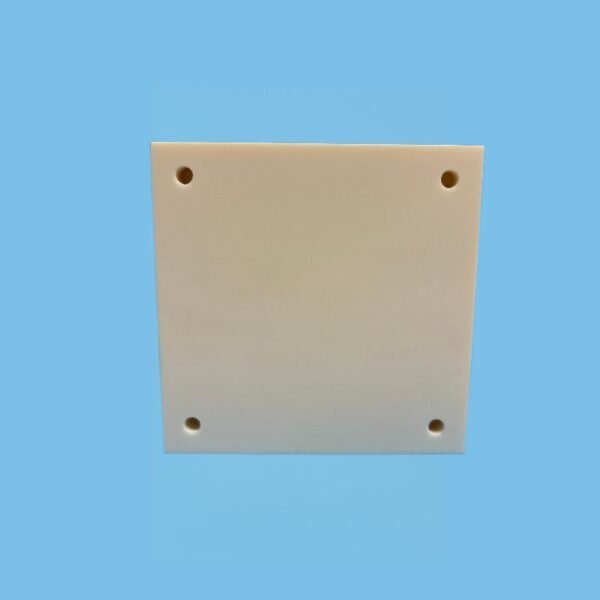
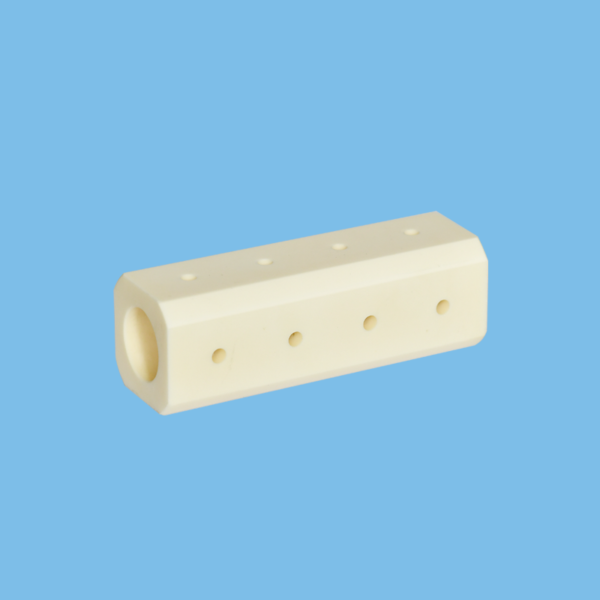
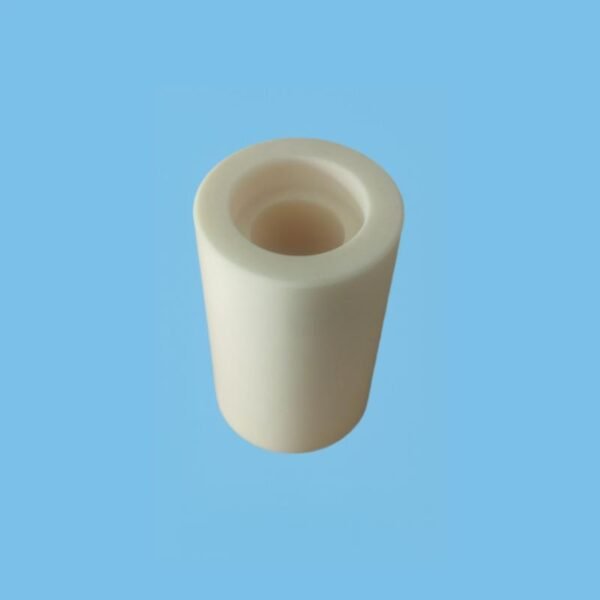
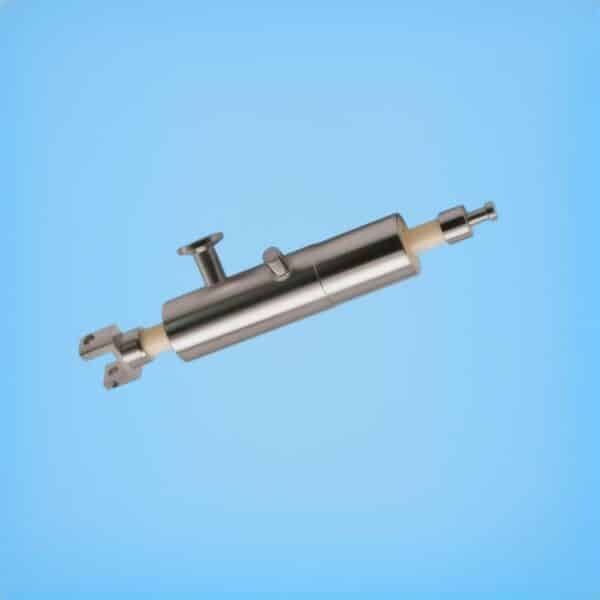
While the top ceramic component manufacturers in India are excellent for traditional industrial applications, modern high-tech industries require a level of machining sophistication that is difficult to source reliably outside of dedicated precision manufacturing hubs.
If your project demands zero-defect tolerances, rapid iteration, and advanced material science, we strongly recommend evaluating a dedicated custom precision ceramic parts supplier. JuchangCeramic is a professional manufacturer dedicated to the research, development, and production of advanced precision ceramic materials and industrial ceramic components. Located in Pingshan District, Shenzhen, Guangdong Province—one of the most important industrial and technology manufacturing regions in China—JuchangCeramic possesses the state-of-the-art CNC diamond grinding and lapping infrastructure required to deliver flawless top ceramic plunger manufacturers quality. We bridge the gap between advanced material science and sub-micron mechanical execution.
The Bottom Line
Evaluating ceramic component manufacturers in India reveals a highly capable market tailored for bulk, standard, and heavy-industrial ceramics. Companies like CUMI and Jyoti are world-class operators in their respective niches. However, whether it is worth buying from India depends entirely on your tolerance requirements. For standard wear parts, India is a highly strategic sourcing destination. For ultra-precise, custom-engineered technical ceramics requiring rapid turnaround and sub-micron grinding, Shenzhen-based manufacturers like JuchangCeramic remain the undisputed global standard.
Frequently Asked Questions
Are Indian ceramic manufacturers ISO certified?
Yes, the top-tier ceramic component manufacturers in India, such as CUMI and Jyoti Ceramic, hold stringent ISO 9001, ISO 14001, and often specialized aerospace or automotive certifications (like IATF 16949). However, you must independently verify the certifications of smaller, lower-tier suppliers.
Which is better for high-wear applications: Alumina from India or Zirconia from China?
It depends on the mechanical stress. Standard 95% to 99% Alumina sourced from India is highly cost-effective for abrasive wear applications. However, for applications requiring high fracture toughness and resistance to sudden impacts (where Alumina would shatter), Yttria-stabilized Zirconia expertly machined by precision specialists in China is vastly superior.
Do Indian manufacturers provide custom ceramic machining services?
Yes, several firms like Ants Ceramics and Jyoti Ceramic offer custom custom ceramic machining services. However, their lead times for tooling setup and custom diamond grinding are typically longer than those offered by advanced precision facilities in Shenzhen.