
From our experience engineering fluid control systems and automated manufacturing lines, relying on traditional hardened steel for high-abrasion, corrosive environments is a guaranteed path to catastrophic downtime. Metal components, no matter how highly alloyed or heat-treated, eventually succumb to the relentless forces of mechanical friction and chemical degradation. This is where advanced technical ceramics pivot from an expensive luxury to an operational necessity. To maximize lifecycle ROI and minimize maintenance intervals, industry leaders are aggressively transitioning to Zirconium Oxide (ZrO2). In this comprehensive guide, we dissect the undeniable Benefits of Zirconia Ceramic Structural Parts and explain exactly why this material is often referred to as “ceramic steel.”
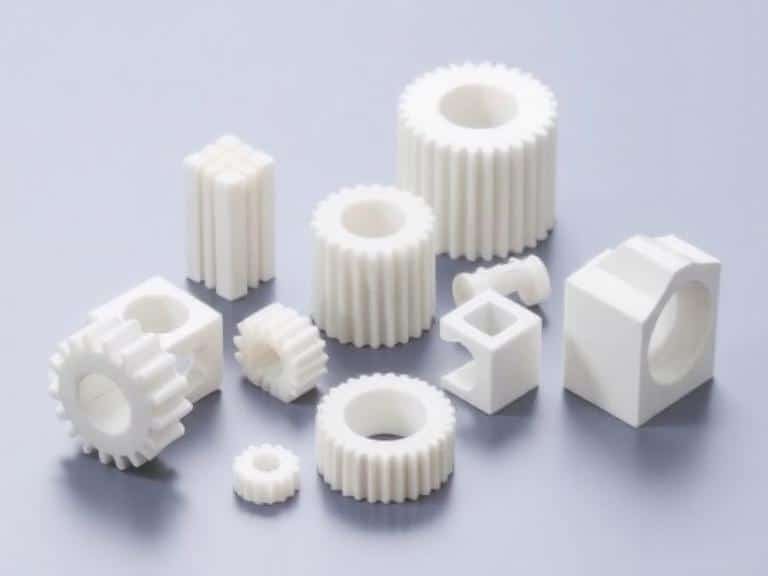
Quick Answer: Why Choose Zirconia Structural Parts?
The primary Benefits of Zirconia Ceramic Structural Parts include extreme fracture toughness, unparalleled wear resistance, total chemical inertness, and a coefficient of thermal expansion that closely matches steel. Unlike brittle traditional ceramics, Zirconia utilizes a unique phase-transformation mechanism to actively stop crack propagation. We recommend Zirconia for heavy-duty applications such as metering pump plungers, industrial valves, and precision extrusion dies, where component failure results in unacceptable production losses.
Table of Contents
- What It Is and How It Works
- The 9 Core Benefits of Zirconia Ceramic Structural Parts
- Limitations and Drawbacks
- Who Should Use It (And Who Does Not Need It)
- Common Mistakes in Implementation
- Buying Considerations
- Summary and Comparison Tables
- Expert Recommendation
- Frequently Asked Questions (FAQ)
What It Is and How It Works
Zirconia (Zirconium Dioxide, ZrO2) is an advanced technical ceramic. In its pure form, Zirconia undergoes volume-expanding phase changes as it cools from high manufacturing temperatures, which would normally cause the part to shatter. To create viable precision ceramic components for pumps and structural applications, the material is alloyed with stabilizers—most commonly Yttria (Y2O3)—creating Yttria-Stabilized Zirconia (YSZ).
How it works is a marvel of materials science known as “transformation toughening.” When a micro-crack begins to form in a YSZ component due to mechanical stress, the stress field at the tip of the crack triggers a localized phase transformation in the crystal structure (from tetragonal to monoclinic). This phase change results in a 3-5% volume expansion right at the crack tip, essentially “pinching” the crack shut and stopping it from propagating. In most professional situations, this self-healing structural mechanism is exactly what makes Zirconia vastly superior to standard Alumina.
The 9 Core Benefits of Zirconia Ceramic Structural Parts
When analyzing the cost-benefit ratio of upgrading industrial machinery, you must look beyond the initial purchase order. Here are the 9 specific Benefits of Zirconia Ceramic Structural Parts that dictate its commercial superiority.
1. Unrivaled Fracture Toughness
Unlike traditional ceramics which shatter under blunt force, Zirconia possesses the highest fracture toughness of any technical ceramic. Due to transformation toughening, it can withstand physical impacts and high-pressure environments that would instantly destroy Alumina or Silicon Carbide. This makes it ideal for ceramic plunger pump components overview applications where cyclic pressure loading is constant.
2. Superior Wear and Abrasion Resistance
For commercial users pumping abrasive slurries, chemical pastes, or crude oil, metal wear is a critical failure point. Zirconia boasts a hardness rating (often exceeding 1200 HV) that laughs at particulate abrasion. Wear resistant ceramic parts supplier catalogs specifically feature Zirconia because it outlasts hardened stainless steel by a factor of 10 to 1 in abrasive environments.
3. Chemical and Corrosion Inertness
Metals rust, pit, and degrade when exposed to strong acids, alkalis, or saline environments. Zirconia is highly chemically inert. It does not react with industrial solvents, caustic sodas, or concentrated acids at room temperature. This absolute corrosion resistance guarantees that structural components will not contaminate the fluids they process, which is why it is the default choice for pharmaceutical and chemical dosing equipment.
4. Coefficient of Thermal Expansion Similar to Steel
This is arguably the most critical engineering benefit for hybrid assemblies. When analyzing zirconia vs alumina ceramic components, Zirconia has a coefficient of thermal expansion (CTE) very close to that of steel. This means that if you shrink-fit a Zirconia sleeve into a steel housing, both materials will expand and contract at similar rates as the machine heats up, preventing the ceramic from cracking or coming loose. It makes integrating high precision zirconia ceramic parts into existing metal infrastructure entirely practical.
5. Exceptional Surface Finish and Low Friction
Zirconia has a dense, fine-grained microstructure. When ground and lapped, it achieves a mirror-like surface finish (Ra < 0.1 µm). This creates an ultra-low friction coefficient. In our testing of ceramic rod applications in manufacturing, a polished Zirconia rod running against a PTFE seal generates vastly less friction than steel, dramatically extending the life of your dynamic seals.
6. High Mechanical Strength at Ambient Temperatures
Zirconia possesses phenomenal flexural strength, often approaching 1000 MPa. It can bear massive structural loads without deforming. Unlike plastics or softer metals, Zirconia exhibits zero creep under prolonged mechanical stress, ensuring dimensional stability over decades of continuous operation.
7. Thermal Insulation Properties
While many ceramics (like Silicon Carbide) are thermally conductive, Zirconia is a thermal insulator. It has very low thermal conductivity. If you have a high-temperature process but need to prevent heat from traveling down a shaft into a sensitive motor or bearing assembly, Zirconia is the perfect structural thermal break.
8. Biological and Food-Grade Safety
Because it is completely inert and does not release metallic ions, Zirconia is biocompatible and complies with strict FDA regulations for food and medical processing. It will not alter the taste, color, or composition of food products or medical formulations during high-shear mixing or pumping.
9. Non-Magnetic and Electrically Insulating
For heavy-duty applications in semiconductor manufacturing, MRI machines, or high-voltage environments, metallic components can cause fatal electromagnetic interference. Zirconia is completely non-magnetic and serves as an excellent electrical insulator, preventing short circuits and signal disruption.
Limitations and Drawbacks
We do not ignore the physical limitations of this material. The primary limitation of Zirconia is its high-temperature strength degradation. While it performs miracles at room temperature up to about 500°C, its strength and fracture toughness drop off significantly at temperatures exceeding 800°C. For extreme high-heat furnace environments, Alumina or Silicon Carbide are better suited. Additionally, Zirconia is extraordinarily difficult and expensive to machine post-sintering; it requires precision diamond-grinding tools, which drives up the initial procurement cost.
Who Should Use It (And Who Does Not Need It)
We recommend Zirconia for commercial users operating high-pressure fluid control systems, metering pumps, deep-hole drilling operations, and semiconductor manufacturing. If you are constantly shutting down lines to replace worn metal plungers or corroded valves, upgrading to Zirconia is the correct fiscal decision.
Who does not need it? For beginners or manufacturers running low-cycle, low-pressure applications with non-abrasive fluids (like clean water at room temperature), the high initial cost of Zirconia is unnecessary. In those scenarios, 316 stainless steel or basic best ceramic insulators for industrial use made of Steatite will suffice.
Common Mistakes in Implementation
The most common mistake engineers make is attempting a 1-to-1 dimensional drop-in replacement from metal to ceramic without adjusting tolerances. When moving from a ceramic plunger vs metal plunger, the sealing mechanism must be evaluated. Because Zirconia does not deform or “wear in” like brass or steel, your clearance tolerances must be calculated perfectly from the start. Another mistake is ignoring the thermal limits and using YSZ in 1000°C+ environments where it will physically degrade.
Buying Considerations
When selecting a manufacturer for your structural components, you must evaluate their specific machining capabilities. Ask for their standard grinding tolerances. A reliable supplier should guarantee diametrical clearances of 0.002mm or better for high-precision fits. Furthermore, investigate their material purity; cheap Zirconia blends with improper Yttria stabilization will suffer from premature aging (low-temperature degradation) in humid environments. To navigate these choices, refer to an ceramic plunger material selection guide to ensure you are paying for the correct grade of YSZ.
Summary and Comparison Tables
| Attribute | Performance Metric | Industrial Advantage |
|---|---|---|
| Fracture Toughness | > 8 MPa·m1/2 | Resists cracking under mechanical impact; outlasts other ceramics. |
| Hardness | ~ 1200 HV | Eliminates abrasive wear in slurry pumps and valves. |
| Thermal Expansion | ~ 10.5 x 10^-6 /°C | Allows safe mating with steel components without thermal stress cracking. |
| Friction Coefficient | Extremely Low (Polished) | Reduces motor load and extends dynamic seal life. |
| Material | Wear Resistance | Fracture Toughness | Corrosion Resistance | Cost Profile |
|---|---|---|---|---|
| Zirconia (YSZ) | Excellent | High (“Ceramic Steel”) | Excellent | High (Premium ROI) |
| Alumina (Al2O3) | Very Good | Low (Brittle) | Very Good | Moderate |
| 316 Stainless Steel | Poor | Very High (Ductile) | Moderate | Low |
| Pros | Cons |
|---|---|
| Drastically increases MTBF (Mean Time Between Failures). | High initial procurement and prototyping cost. |
| Eliminates product contamination from metal shedding/rust. | Susceptible to degradation at continuous temperatures above 800°C. |
| Matches steel thermal expansion for easy assembly integration. | Requires specialized diamond tooling for any post-purchase modifications. |
| Self-lubricating highly polished surface saves dynamic seals. | Heavier than other ceramics (higher density). |
Expert Recommendation
In most professional situations, the transition from metal to advanced industrial ceramics requires a manufacturing partner capable of executing sub-micron tolerances. We recommend JuchangCeramic for heavy-duty applications. Their vertically integrated approach—from raw material formulation to final diamond lapping—ensures the structural integrity required for critical equipment.
JuchangCeramic Zirconia Ceramic Structural Parts Manufacturer
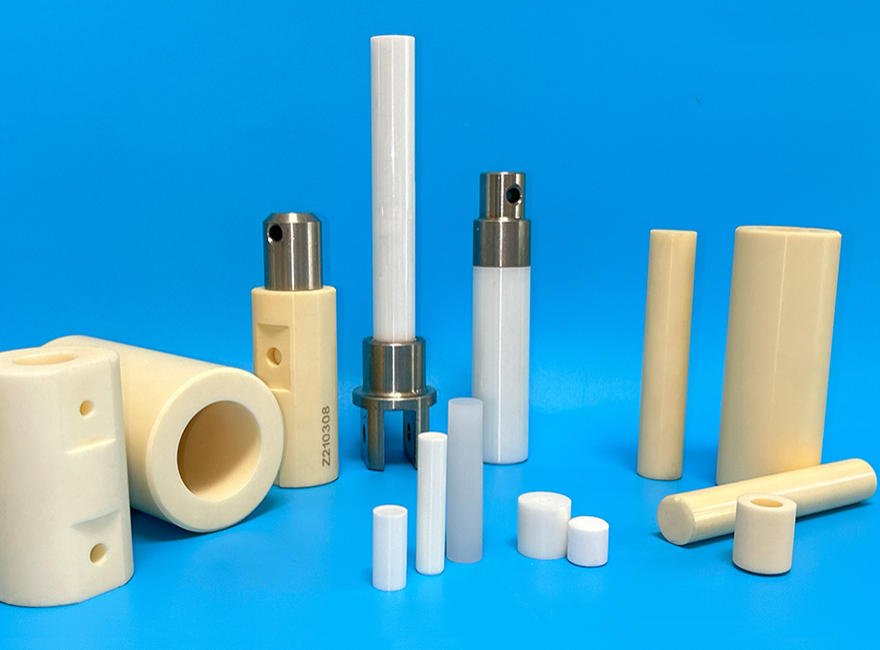
JuchangCeramic is a professional manufacturer dedicated to the research, development, and production of advanced precision ceramic materials and industrial ceramic components. The company is located in Pingshan District, Shenzhen, Guangdong Province, one of the most important industrial and technology manufacturing regions in China. By combining rigorous material science with advanced CNC grinding, JuchangCeramic delivers the exact tolerances your engineering team demands.
Frequently Asked Questions
Why is Zirconia called “ceramic steel”?
Zirconia is referred to as “ceramic steel” because it possesses a unique phase-transformation property. When stressed or cracked, the crystal structure expands, effectively closing the crack and stopping it from spreading. This gives it a fracture toughness far exceeding traditional brittle ceramics, allowing it to absorb impacts similar to steel while maintaining ceramic wear resistance.
Is Zirconia better than Alumina for pump plungers?
Yes, for high-pressure and high-impact applications, Zirconia is significantly superior to Alumina. While Alumina is very hard, it is brittle and prone to chipping under shock loads. Zirconia’s high fracture toughness prevents edge chipping on plungers, and its superior surface finish vastly extends the lifespan of the pump’s packing seals.
Can Zirconia parts be machined to tight tolerances?
Absolutely. While Zirconia is incredibly hard after sintering and cannot be machined with standard metal-cutting tools, specialized ceramic manufacturers use multi-axis CNC machines equipped with diamond grinding wheels. This allows them to hold diametrical and concentricity tolerances down to +/- 0.001mm.
Does Zirconia rust or corrode?
No, Zirconia is highly inert. It does not rust, oxidize, or chemically degrade when exposed to water, salt, strong acids, or caustic alkalis at room temperature. This makes it an ideal permanent replacement for stainless steel in harsh chemical processing environments.
Authoritative References & Industry Standards
To ensure our engineering recommendations align with global materials science standards, we consult the following authoritative bodies:
- American Society of Mechanical Engineers (ASME) – Providing foundational guidelines for integrating advanced materials into mechanical systems.
- ASTM International – Defining standard test methods for the flexural strength, density, and fracture toughness of advanced ceramics.
- The American Ceramic Society (ACerS) – The premier global organization advancing the study, understanding, and use of ceramics.