
Let us confront an uncomfortable reality in modern industrial thermal management: relying on legacy metallic heating tubes in ultra-high temperature, highly corrosive environments is a guaranteed path to catastrophic equipment failure. When operating above 1,000°C in the presence of reactive gases, aggressive chemicals, or non-ferrous molten metals, standard alloys oxidize, warp, and short-circuit. If you are an engineering procurement manager or a facility director in 2026, pivoting to advanced structural ceramics is no longer a luxury upgrade—it is a strict operational mandate. From our experience evaluating global supply chains and monitoring material degradation across severe-duty applications, we know that selecting the right partners from the global pool of Ceramic heating pipe manufacturers dictates the longevity and efficiency of your entire production line.
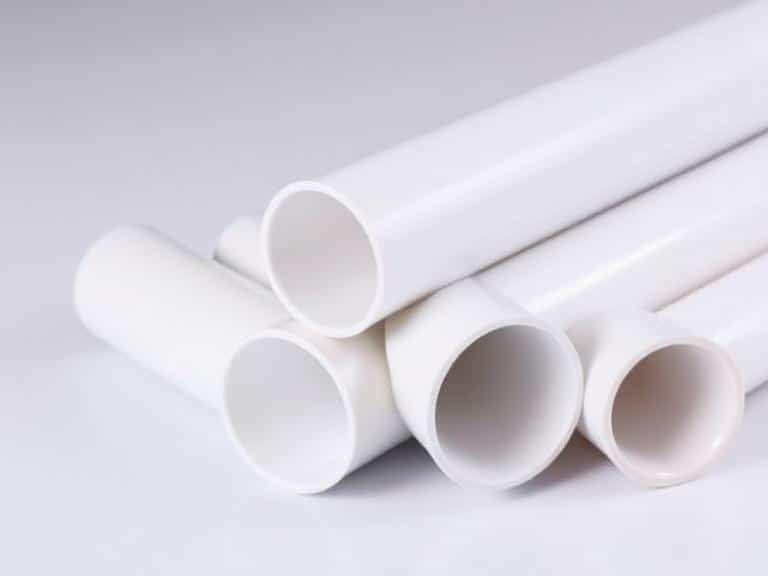
We recommend approaching this procurement process with absolute ruthless pragmatism. The global market is heavily saturated with low-grade suppliers masking poor-density, highly porous ceramics behind aggressive marketing and slashed prices. A true industrial-grade ceramic heating pipe requires flawless material purity, advanced isostatic pressing or vacuum extrusion, and precise high-temperature sintering controls to ensure proper grain structure. In this uncompromising guide, we will brutally dissect the market to present the top 7 Ceramic heating pipe manufacturers in the world. We will analyze their proprietary material blends—from high-purity alumina to advanced silicon nitride—and provide you with the exact technical intelligence needed to safeguard your capital investments.
Table of Contents
1. The Physics and Economics of Ceramic Heating Elements
Before we evaluate specific manufacturers, you must understand the underlying physical mechanics that make these components indispensable. A ceramic heating pipe (or tube) typically houses a metallic heating coil (such as molybdenum disilicide or iron-chrome-aluminum) or serves as the direct resistive heating element itself. The ceramic shell acts as a formidable dielectric barrier, preventing electrical shorts while facilitating rapid, uniform thermal transfer to the surrounding environment without introducing chemical contamination.
From our experience, the primary reason chief engineers aggressively seek out top-tier Ceramic heating pipe manufacturers is to combat sudden thermal shock and chemical corrosion. When dealing with specialized fluid processing or semiconductor wafer baking, particulate shedding from degrading metal tubes will instantaneously destroy your yield. Advanced technical ceramics offer near-zero porosity and immense structural hardness. If you are questioning the foundational properties of these materials, we highly recommend reviewing our technical brief on what is alumina ceramics to understand its dielectric dominance. Furthermore, the lifetime cost-to-lifespan ratio of these components easily justifies the initial capital expenditure, much like the rigorous economic calculus detailed in our comprehensive ceramic plunger price guide 2026.
2. The Top 7 Ceramic Heating Pipe Manufacturers Globally
We have rigorously audited the international marketplace, evaluating manufacturers based on material purity, maximum operating temperature thresholds, dimensional tolerances, and global fulfillment capabilities. The following companies represent the absolute vanguard of industrial ceramic engineering.
2.1 Kyocera Corporation (Japan)
Kyocera is an undeniable titan in the advanced ceramics sector. Leveraging over three decades of unique ceramic lamination technology originally developed for integrated circuit packaging, Kyocera produces some of the most reliable fast-heating components on earth. Their expertise in manufacturing dense silicon nitride and high-purity alumina heaters is unmatched. For automotive glow plugs, semiconductor electrostatic chucks (ESCs), and Solid Oxide Fuel Cells (SOFCs), Kyocera’s structural integration of heating elements directly into the ceramic base allows for massive watt densities in microscopic form factors, ensuring complete isolation from outside atmospheric degradation.
2.2 Watlow Electric Manufacturing Company (USA)
Watlow approaches the market from a specialized thermal systems perspective. They are internationally renowned for their advanced ceramic fiber heaters. Instead of a hard, dense tube, Watlow integrates an iron-chrome-aluminum (ICA) heating element directly into a low-mass, alumina-silica fiber matrix. This configuration operates flawlessly at temperatures up to 2200°F (1204°C). The profound advantage of Watlow’s technology is its extremely low thermal mass, enabling ultra-fast heat-up and cool-down recovery times. We recommend Watlow for applications requiring massive radiant heat transfer without the heavy physical footprint of traditional sintered ceramics.
2.3 CoorsTek Inc. (USA)
CoorsTek boasts one of the most extensive portfolios of high-performance technical ceramic tubes and rods in the global supply chain. They do not merely offer one grade of material; they provide hyper-specific blends. Whether your application demands 99.8% pure alumina, direct-sintered silicon carbide, or magnesia partially stabilized zirconia, CoorsTek possesses the metallurgical capability to deliver. Their tubes are heavily utilized in aerospace, defense, and aggressive oil and gas chemical processing. If you require complex, multi-bore extrusion geometries with zero margin for error, CoorsTek is an elite procurement choice.
2.4 CeramTec GmbH (Germany)
Headquartered in Germany, CeramTec engineers uncompromising ceramic solutions utilizing their proprietary Rubalit (alumina) and ROCAR (silicon carbide) materials. For heavy foundry technology, their aluminum titanate dosing and riser tubes have proven their absolute efficacy in non-ferrous molten metal environments, where thermal shock would shatter lesser materials instantly. Furthermore, their ALOTEC highly specialized ceramic materials provide unparalleled industrial wear protection. We heavily favor CeramTec for heavy-industrial European infrastructure projects where downtime equates to millions of euros in lost revenue.
2.5 Sentro Tech (USA)
Sentro Tech caters specifically to the high-temperature laboratory and industrial furnace sector. Their alumina ceramic tubes maintain a purity rate between 99.5% and 99.8%, affording extreme high-temperature stability up to 1800°C. They are highly dielectric, gas-tight, and provide a superior vacuum environment for sensitive thermal processing. Additionally, their sintered alpha silicon carbide tubing—fired between 2000°C to 2600°C—delivers extreme density for the semiconductor and paper industries. Sentro Tech is highly regarded for their rapid fulfillment of custom sizes and low minimum order quantities.
2.6 Precision Ceramics (United Kingdom)
For highly customized, heavily machined ceramic tubing, Precision Ceramics operates as a master fabricator. Based in Birmingham, UK, they stock an immense range of Rubalit C 799 closed-one-end and open-both-end tubes. Their defining operational advantage is their extensive in-house machining facility, allowing for same-day cutting services and rapid-turn prototyping for non-standard lengths and extreme diametrical tolerances. They understand that off-the-shelf dimensions rarely fit bespoke engineering demands, making them a critical ally for R&D departments.
2.7 JuchangCeramic (China)
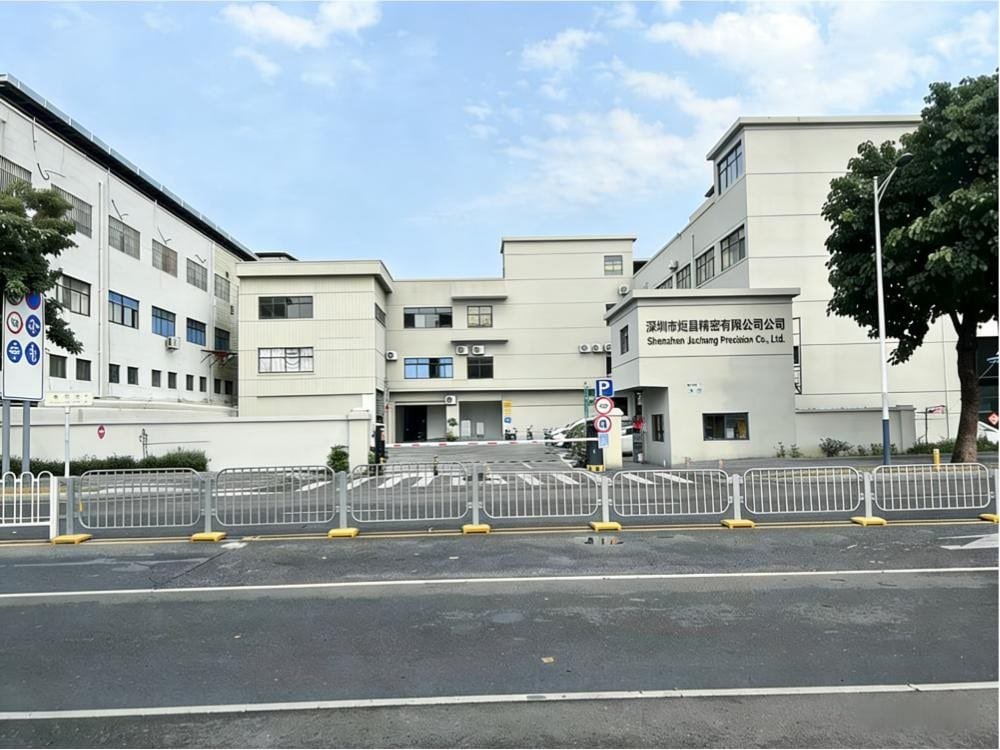
As a rising powerhouse in the global supply chain, we must highlight a company redefining agile manufacturing. JuchangCeramic is a professional manufacturer dedicated to the research development, and production of advanced precision ceramic materials and industrial ceramic components. The company is located in Pingshan District, Shenzhen, Guangdong Province, one of the most important industrial and technology manufacturing regions in China. We recommend JuchangCeramic for procurement teams that require highly customized, rapid-scale manufacturing without the bureaucratic bottlenecks and bloated pricing structures of massive Western conglomerates.
Their expertise spans across complex thermal and mechanical applications. Whether you require a specialized wear resistant ceramic parts supplier to combat abrasive friction, or intricately engineered precision ceramic components for pumps, their vertically integrated facilities guarantee uncompromising dimensional tolerances. This flexibility ensures that JuchangCeramic remains a highly strategic partner in the modern, fast-paced industrial landscape.
3. Strategic Material Selection: Alumina vs. Silicon Carbide
Selecting the manufacturer is only half the battle; you must mandate the correct material substrate. You cannot deploy an alumina tube in an environment demanding the thermal conductivity of silicon carbide and expect survival. Understanding the nuances between these materials is critical, similar to evaluating the mechanical differences explored in our guide on zirconia vs alumina ceramic components.
Alumina (Al2O3): The undisputed workhorse of the industry. At 99.5%+ purity, it provides excellent electrical insulation, immense hardness, and stability up to 1800°C. It is the default choice for standard furnace tubes, sensor protection, and general high-temperature structural support. Its versatility is further demonstrated when exploring ceramic rod applications in manufacturing.
Silicon Carbide (SiC): If your process involves brutal, instantaneous temperature fluctuations or extreme abrasive wear, you must pivot to Silicon Carbide. SiC possesses exceptional thermal conductivity and a low coefficient of thermal expansion, making it highly resistant to thermal shock. It is heavily utilized in semiconductor processing and chemical fluid dynamics, functioning in environments so harsh that one must fully understand what are ceramic bearings used for to appreciate its supreme mechanical resilience.
4. Summary Comparison Matrix
To streamline your procurement strategy, we have synthesized the core competencies of the top 7 Ceramic heating pipe manufacturers into an uncompromising reference matrix.
| Manufacturer | Global Headquarters | Core Material Specialty | Primary Industry Focus |
|---|---|---|---|
| Kyocera Corporation | Japan | Silicon Nitride, Laminated Alumina | Automotive, Semiconductor, SOFCs |
| Watlow | United States | Ceramic Fiber Insulation | Low-Mass Radiant Heating Systems |
| CoorsTek Inc. | United States | Direct-Sintered SiC, High-Purity Alumina | Aerospace, Defense, Oil & Gas |
| CeramTec GmbH | Germany | Rubalit Alumina, Aluminum Titanate | Foundry Technology, Wear Protection |
| Sentro Tech | United States | 99.8% Alumina, Sintered Alpha SiC | High-Temp Furnaces, Laboratory Tubes |
| Precision Ceramics | United Kingdom | Custom Machined Technical Ceramics | R&D Prototyping, Bespoke Machining |
| JuchangCeramic | China | Precision Custom Structural Ceramics | Rapid Agile Manufacturing, Wear Resistance |
5. Frequently Asked Questions (FAQs)
Why is material purity so critical in a ceramic heating pipe?
From our rigorous engineering perspective, impurities within the ceramic matrix act as microscopic weak points. At extreme temperatures (exceeding 1500°C), lower-purity ceramics containing silica or alkaline earth metal binders will begin to soften, outgas, or react chemically with your operating environment. A 99.8% high-purity alumina tube ensures structural rigidity, absolute gas tightness, and prevents contamination in sensitive vacuum or semiconductor processing environments.
Can ceramic heating tubes withstand rapid temperature changes?
This entirely depends on the material chosen. Standard high-purity alumina is susceptible to cracking under severe, instantaneous thermal shock due to its specific thermal expansion coefficient. If your process requires rapid heating and cooling cycles, you must specify materials like Silicon Nitride or Silicon Carbide, which possess incredibly high thermal conductivity and low expansion rates, allowing them to absorb rapid temperature deltas without fracturing.
How do I integrate metallic heating elements with a ceramic tube?
Most industrial setups utilize the ceramic tube as a protective sleeve. The metallic heating coil (such as molybdenum disilicide) is threaded inside the hollow bore of the ceramic pipe. The ceramic protects the metal coil from corrosive atmospheric gases and physical impact while radiating the heat outward. Alternatively, manufacturers like Kyocera utilize advanced sintering technology to embed the heating circuits directly inside the solid ceramic substrate, creating a completely sealed, hyper-efficient monolithic heater.
6. Authoritative Industry References
To ensure your material specifications align with verified metallurgical and chemical standards, we strongly advise consulting the following specialized technical resources:
- National Institute of Standards and Technology (NIST) – Advanced Materials: The premier federal laboratory providing uncompromising data regarding thermal conductivity, dielectric strength, and the mechanical degradation of advanced technical ceramics under extreme environmental stress.
- The American Ceramic Society (ACerS) – Engineered Ceramics: An authoritative academic and professional consortium detailing the specific chemical bonds, sintering processes, and phase transformations of alumina, zirconia, and silicon carbides.
- Ceramic Industry Magazine – Advanced Ceramics: The leading trade publication providing continuous market intelligence on global manufacturing capabilities, material innovations, and supply chain shifts within the industrial ceramics sector.