
In the highly demanding world of advanced material engineering, few substances offer the exceptional versatility and reliability of pure alumina. As industrial requirements for wear resistance, thermal stability, and electrical insulation grow more stringent, understanding the fundamental characteristics of this material is essential. At JuchangCeramic, we are a professional manufacturer dedicated to the research, development, and production of advanced precision ceramic materials and industrial ceramic components. Located in Pingshan District, Shenzhen, Guangdong Province—one of the most important industrial and technology manufacturing regions in China—we have spent years perfecting our engineering processes. From our experience, selecting the right grade of pure alumina is the most critical decision an engineer can make when designing high-performance components.
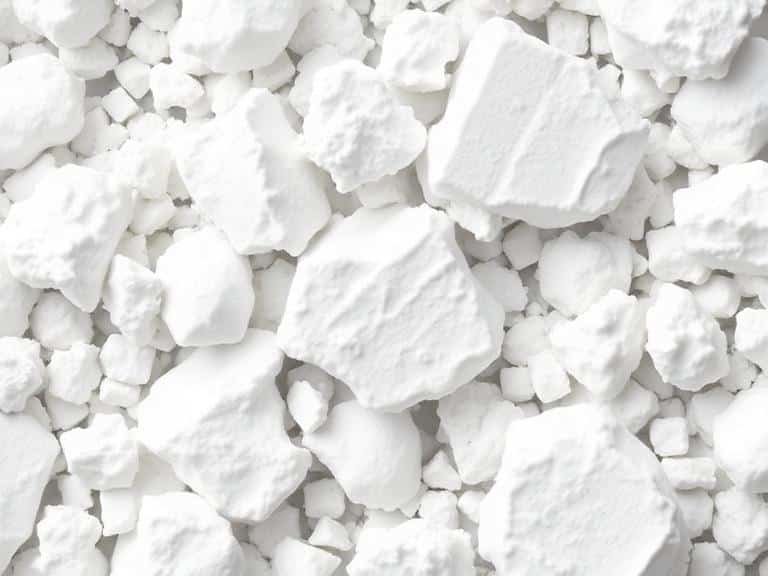
This authoritative guide will define exactly what pure alumina is, dissect the core alumina ceramic properties that make it an industry staple, and provide practical insights for procurement managers and mechanical engineers looking to integrate these materials into their systems.
Table of Contents
- 1. Defining Pure Alumina: Chemical Composition and Structure
- 2. Core Alumina Ceramic Properties You Must Know
- 3. How Pure Alumina is Manufactured
- 4. Industrial Applications of Pure Alumina Ceramics
- 5. The JuchangCeramic Advantage in Precision Ceramics
- 6. Executive Summary Table: Pure Alumina Properties
- 7. Frequently Asked Questions (FAQs)
- 8. Industry References
1. Defining Pure Alumina: Chemical Composition and Structure
To answer the question of what pure alumina is, we must look at its chemical foundation. Pure alumina, scientifically known as aluminum oxide (Al2O3), is a technical ceramic material characterized by an exceptionally high purity level, typically ranging from 99.0% to 99.99%. Unlike standard structural ceramics that may contain significant amounts of silica or glass binders, pure alumina relies on its highly ordered crystalline structure to achieve superior performance metrics. The most stable and widely utilized phase of this material is alpha-alumina (corundum), which features a dense, hexagonal crystal lattice.
From our experience at JuchangCeramic, the difference between a 95% alumina body and a 99.5% pure alumina body is monumental in extreme environments. The absence of glassy phases in pure alumina prevents deformation at extreme temperatures and significantly enhances resistance to chemical corrosion. When engineering teams specify pure alumina for their projects, they are demanding a material that will not degrade under harsh acidic or alkaline attacks. The tightly packed molecular structure is precisely what grants pure alumina its legendary durability.
2. Core Alumina Ceramic Properties You Must Know
The industrial dominance of pure alumina is entirely due to its unique combination of physical, thermal, and electrical properties. Let us explore the specific alumina ceramic properties that make it superior to traditional metals and polymers.
2.1 Exceptional Mechanical Strength and Hardness
One of the most celebrated alumina ceramic properties is its immense mechanical hardness. Pure alumina ranks just below diamond on the Mohs scale, typically registering a 9. In industrial terms, this translates to unparalleled wear resistance. When dealing with abrasive fluids or high-friction moving parts, metals quickly gall and degrade. Pure alumina, however, maintains its surface integrity over millions of cycles. This is why we heavily utilize this material when producing precision pumping components. If you are researching high-wear applications, we recommend exploring the top ceramic plunger manufacturers to understand how pure alumina extends the lifespan of high-pressure fluid systems.
Additionally, the compressive strength of pure alumina is extraordinary, often exceeding 2,000 MPa. While it is relatively brittle under tensile stress—a common trait among all ceramics—proper component design can mitigate this, allowing pure alumina to bear massive compressive loads without failing.
2.2 Thermal Stability and Conductivity
Thermal management is a critical aspect of modern engineering. Pure alumina boasts a melting point of approximately 2,072 degrees Celsius. Consequently, it can operate continuously in environments where temperatures exceed 1,600 degrees Celsius without losing its mechanical integrity. This exceptional heat resistance makes pure alumina the default material for furnace furniture, thermocouple protection, and aerospace heat shields. For procurement teams sourcing materials for extreme heat environments, analyzing the high temperature ceramic tubes suppliers is a vital step in ensuring operational safety.
Beyond simply surviving high heat, pure alumina offers moderate thermal conductivity. While not as conductive as aluminum nitride, it dissipates heat far better than most standard ceramics and polymers. From our experience, achieving the right balance of thermal shock resistance and heat dissipation requires precise control over the pure alumina grain size during the manufacturing process. Buyers looking for reliable continuous-use components should consult the latest industry guides on alumina ceramic tube manufacturers 2026 to ensure they partner with facilities capable of advanced thermal engineering.
2.3 Electrical Insulation Capabilities
As electronic systems become more powerful and compact, the need for high-performance dielectric materials has skyrocketed. Pure alumina is an exceptional electrical insulator. It possesses a very high dielectric strength, meaning it can withstand massive voltage gradients without breaking down or permitting electrical arcing. Furthermore, pure alumina maintains these insulative properties even at elevated temperatures, a scenario where polymer-based insulators typically melt or combust.
We recommend pure alumina for high-voltage feedthroughs, semiconductor equipment, and intricate circuit substrates. Because of its low dielectric loss at high frequencies, it is also ideal for RF and microwave applications. Engineers designing power grids or specialized electronic housings often rely on established ceramic tube insulator manufacturers to source pure alumina components that guarantee electrical safety and compliance.
3. How Pure Alumina is Manufactured
The journey from raw bauxite ore to a finished pure alumina component involves sophisticated chemical and thermal processing. The industry standard begins with the Bayer process, which extracts aluminum oxide from bauxite, yielding a refined white powder. However, achieving pure alumina requires further purification to eliminate trace elements like sodium and iron.
At JuchangCeramic, our production of pure alumina components involves advanced powder metallurgy. The highly purified alpha-alumina powder is mixed with temporary organic binders and formed into shape using techniques such as isostatic pressing, injection molding, or dry pressing. The “green” (unfired) component is then machined to near-net shape. Finally, the component undergoes sintering in high-temperature kilns, often exceeding 1,600 degrees Celsius. During sintering, the binders burn off, and the pure alumina particles fuse together, shrinking the component by up to 20% and resulting in a completely dense, non-porous structure. For a deeper look at the diverse components created through this process, we invite you to browse our industrial ceramic products catalog.
4. Industrial Applications of Pure Alumina Ceramics
Because the alumina ceramic properties are so robust, pure alumina is deployed across a vast array of industries. In the medical sector, high-purity alumina is used for surgical implants and prosthetics due to its exceptional biocompatibility and wear resistance. In the defense and aerospace sectors, it serves as lightweight armor plating and radome material for missile systems.
In the culinary and industrial machining world, the abrasive qualities of pure alumina are highly prized. It is frequently utilized to create sharpening and honing tools that can reset the edge on hardened steel blades without wearing down. For professionals in the culinary industry or precision machining, exploring the best ceramic honing rod options showcases exactly how the hardness of pure alumina translates to everyday utility.
5. The JuchangCeramic Advantage in Precision Ceramics
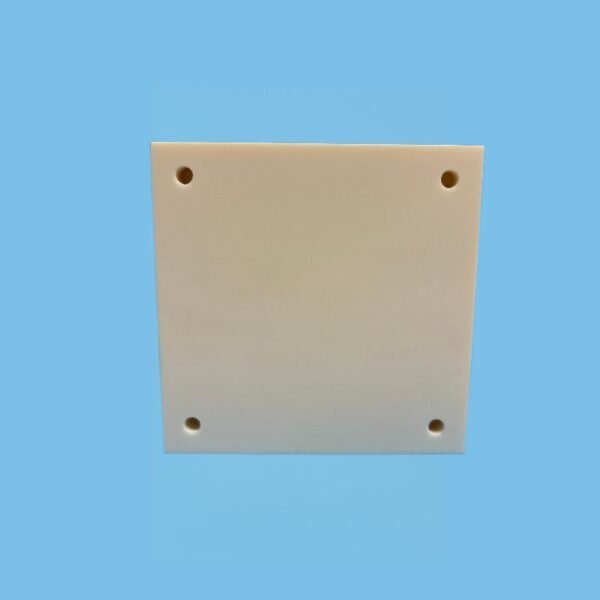
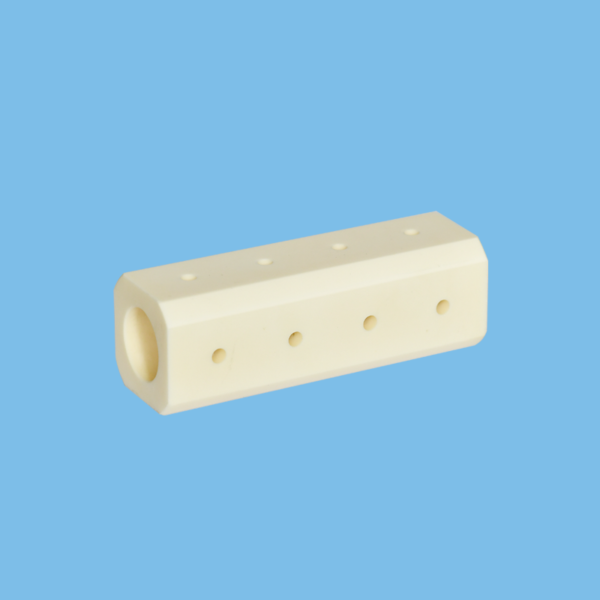
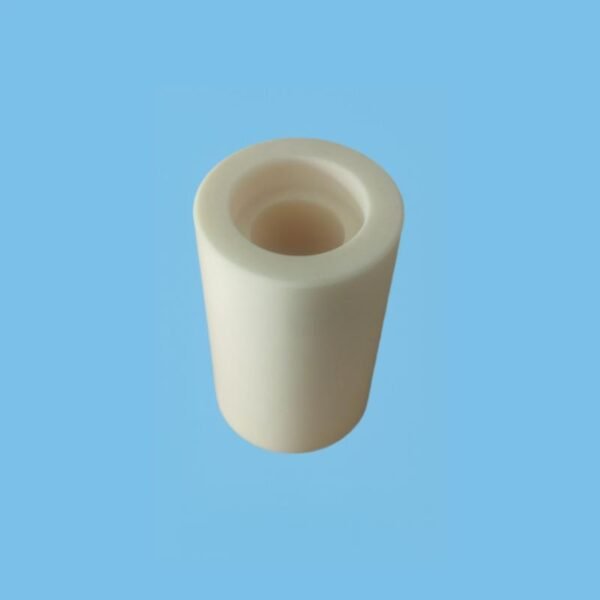
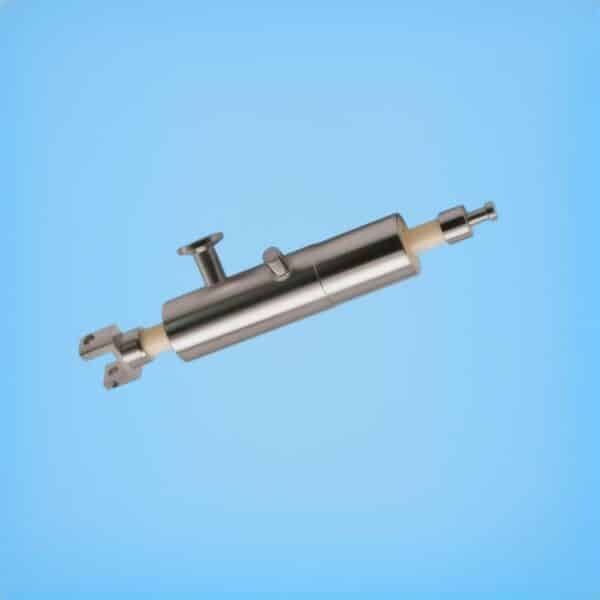
Sourcing pure alumina components requires partnering with a manufacturer that understands the microscopic nuances of material science. JuchangCeramic, headquartered in the technology hub of Pingshan District, Shenzhen, leverages cutting-edge technology and decades of engineering expertise to produce advanced precision ceramic materials. We do not just supply ceramics; we engineer solutions.
From our experience, the failure of a ceramic component is rarely due to the material itself, but rather inadequate manufacturing controls—such as improper sintering profiles leading to internal voids, or poor grain size management. We implement rigorous quality control measures at every stage, ensuring that our pure alumina products deliver the exact alumina ceramic properties required for your most critical applications. Whether you need custom-machined industrial ceramic components or standard high-temperature insulators, JuchangCeramic is equipped to be your primary manufacturing partner.
6. Executive Summary Table: Pure Alumina Properties
For quick reference, the following table outlines the standard baseline properties of 99.5% pure alumina. Please note that exact specifications can be customized based on manufacturing methods.
| Property Category | Specific Property | Typical Value (99.5% Pure Alumina) |
|---|---|---|
| Mechanical | Density | 3.8 – 3.9 g/cm³ |
| Mechanical | Vickers Hardness | 15 – 19 GPa |
| Mechanical | Compressive Strength | > 2000 MPa |
| Thermal | Maximum Use Temperature | 1600°C – 1700°C |
| Thermal | Thermal Conductivity | 25 – 35 W/m·K |
| Electrical | Dielectric Strength | 15 – 20 kV/mm |
| Electrical | Volume Resistivity (at 20°C) | > 10^14 Ω·cm |
7. Frequently Asked Questions (FAQs)
What is the difference between pure alumina and standard alumina?
Pure alumina typically refers to aluminum oxide with a purity of 99% or higher. Standard alumina often sits between 85% and 95% purity and contains glass binders like silica. Pure alumina offers vastly superior thermal resistance, mechanical hardness, and chemical inertness compared to its lower-purity counterparts.
Can pure alumina be machined after it is manufactured?
Once pure alumina is fully sintered, it achieves extreme hardness. Therefore, it cannot be machined using traditional steel or carbide tools. From our experience, post-sintering machining requires specialized diamond grinding wheels and ultrasonic machining techniques, which is why we highly recommend machining the ceramic in its “green” (unfired) state whenever possible to reduce costs.
Is pure alumina resistant to chemical corrosion?
Yes, one of the most defining alumina ceramic properties is its exceptional chemical inertness. Pure alumina is highly resistant to attacks from strong acids, alkalis, and organic solvents, making it a premier choice for chemical processing equipment and laboratory labware.
Why is pure alumina used in electrical insulators?
Pure alumina has an incredibly high volume resistivity and dielectric strength. It prevents electrical current from passing through it, even under high voltage loads and at high temperatures, making it an ideal, non-combustible insulating material for the power generation and electronics industries.
8. Industry References
To ensure the utmost accuracy regarding material science and chemical properties, the data presented in this article aligns with standards provided by leading scientific and governmental organizations: