
When engineering thermal systems, industrial furnaces, or heavy-duty catering equipment, standard plastic and nylon terminal blocks are not just inadequate—they are a catastrophic fire hazard waiting to happen. The insulation melts, the hardware oxidizes, and the electrical connection ultimately fails, leading to costly downtime and dangerous short circuits. In environments where ambient temperatures exceed 150 degrees Celsius, relying on cheap polymers is an amateur mistake.
From our experience engineering advanced technical ceramics at JuchangCeramic, we know that High temperature Ceramic wire connectors are the only professionally viable solution for extreme thermal environments. Unlike plastics, high-grade ceramics such as steatite and alumina possess remarkable dielectric strength, zero outgassing under heat, and the physical density to secure high-amperage connections adjacent to open heating elements.
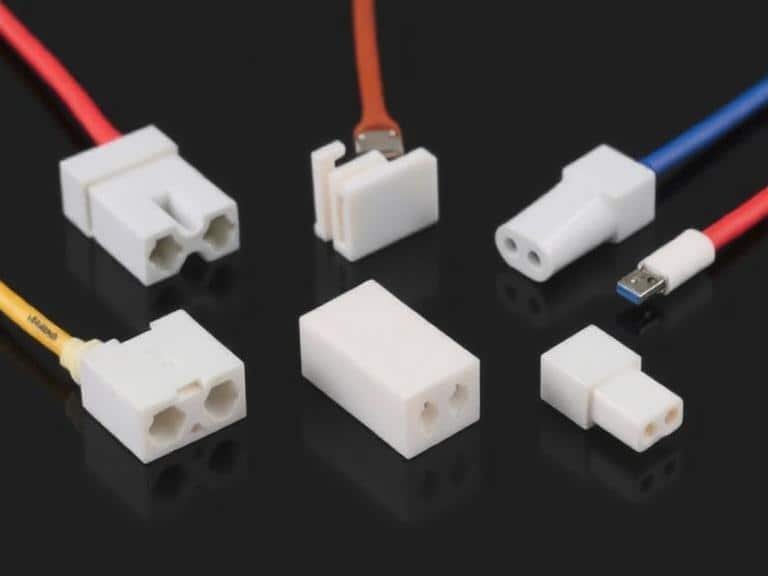
In this uncompromising guide, we will break down the science behind these critical components, identify the 6 best configurations of High temperature Ceramic wire connectors for industrial use, and provide strict procurement advice to ensure you never compromise your electrical infrastructure.
Quick Answer: Which High Temperature Ceramic Wire Connectors Should You Buy?
If you are operating kilns, industrial heaters, or commercial ovens, you must upgrade to High temperature Ceramic wire connectors. The best all-around choice for commercial applications is the Steatite Multi-Pole Terminal Block equipped with nickel-plated brass hardware, capable of withstanding continuous temperatures up to 300°C (572°F) while providing excellent mechanical strength. For extreme industrial applications exceeding 1000°C, you must specify High-Purity Alumina Connectors with stainless steel alloy set screws to prevent hardware oxidation. Do not waste money on Bakelite connectors if your ambient temperature exceeds 150°C; they will inevitably become brittle and fail.
Table of Contents
- What Are High Temperature Ceramic Wire Connectors?
- How They Work: Thermodynamics and Electrical Isolation
- The 6 Best High Temperature Ceramic Wire Connectors
- Benefits of Upgrading to Ceramic
- Limitations to Consider
- Who Should Use It & Who Does Not Need It
- Comparison Table: Ceramic vs. Plastic vs. Bakelite
- Common Mistakes in Installation
- Buying Considerations
- Pros and Cons Table
- Expert Recommendation
- Frequently Asked Questions (FAQ)
What Are High Temperature Ceramic Wire Connectors?
High temperature Ceramic wire connectors are specialized electrical terminal blocks designed to join two or more electrical wires in environments that experience extreme thermal stress. Instead of using a housing made of polycarbonate, nylon, or standard PVC, the conductive metal terminals (the brass, copper, or steel tubes where the wires are inserted) are encased in a solid block of technical ceramic.
These ceramics are typically manufactured from steatite (a magnesium silicate) or alumina (aluminum oxide). The choice of material dictates the connector’s maximum operating temperature and its dielectric strength (its ability to act as an electrical insulator without breaking down). If you want to understand the foundational material science behind these components, reviewing what is alumina ceramics will provide necessary context regarding their extreme thermal shock resistance.
How They Work: Thermodynamics and Electrical Isolation
The mechanics of High temperature Ceramic wire connectors are straightforward but highly effective. The ceramic body acts as an impenetrable thermal and electrical barrier. Inside the ceramic housing sits a metal insert—usually a tubular terminal with transverse set screws. You strip the insulation from your high-temperature wire (such as fiberglass or silicone-jacketed wire), insert the bare conductor into the metal tube, and tighten the set screw down to create a secure mechanical and electrical bond.
In most professional situations, the ceramic housing prevents electrical arcing to nearby grounded metal chassis even when the ambient air is superheated. Because ceramics do not contain volatile organic compounds, they will never melt, drip, or emit toxic smoke. This is why similar advanced materials are used in ceramic rod applications in manufacturing, where structural integrity under extreme heat is non-negotiable.
The 6 Best High Temperature Ceramic Wire Connectors
We recommend the following six configurations of High temperature Ceramic wire connectors, categorized by their best industrial use cases. Choosing the right configuration is vital for long-term safety and equipment reliability.
1. Steatite Multi-Pole Terminal Blocks
This is the standard workhorse of the heating industry. Available in 1-pole, 2-pole, and 3-pole configurations, these blocks are manufactured from dry-pressed steatite. They are ideal for commercial catering equipment, space heaters, and HVAC systems. They comfortably handle continuous ambient temperatures of 300°C.
2. High-Purity Alumina Connectors
For heavy-duty applications like industrial metallurgy kilns or glass-melting furnaces, steatite is insufficient. You must use connectors made from 95% to 99% alumina. These can withstand temperatures exceeding 1000°C. Due to the extreme heat, the internal hardware must be crafted from high-grade stainless steel alloys rather than brass, which would rapidly oxidize and fail. For context on the durability of this material, explore our data on wear resistant ceramic parts supplier capabilities.
3. Closed-End Ceramic Wire Nuts
Also known as ceramic wire caps, these are designed for quick, permanent splices in high-heat appliances like halogen lamps, quartz heaters, and infrared heating elements. They feature an internal conical thread. You twist the stripped wires together and screw the ceramic cap onto the bundle. They are excellent for tight spaces where a flat terminal block will not fit.
4. DIN-Rail Mounted Ceramic Connectors
For commercial users building complex control panels situated near industrial ovens, DIN-rail mounted ceramic terminal blocks are essential. They allow for organized, modular wiring while providing the refractory insulation needed to prevent panel fires in the event of a catastrophic thermal event nearby.
5. Thermocouple Ceramic Connection Blocks
Thermocouples require highly specific connectors to avoid introducing dissimilar metals that would skew temperature readings. Thermocouple ceramic blocks utilize specialized hardware (like Chromel-Alumel) housed within an alumina body, ensuring accurate sensor readings directly inside furnace walls.
6. Custom Zirconia-Reinforced Connectors
In applications combining high heat with extreme mechanical vibration (such as aerospace engine testing or heavy vibratory extrusion lines), standard ceramics may crack. Zirconia offers higher fracture toughness. Understanding the difference is critical; we detail this in our guide on zirconia vs alumina ceramic components. Zirconia-reinforced connectors provide the ultimate balance of thermal and mechanical resilience.
Benefits of Upgrading to Ceramic
The primary benefit of High temperature Ceramic wire connectors is absolute safety. When a plastic connector melts, the live wires drop, causing a dead short against the equipment chassis. This can trigger electrical fires or destroy thousands of dollars of sensitive control boards. Ceramic connectors eliminate this risk entirely.
Furthermore, ceramics do not suffer from thermal aging in the way polymers do. Bakelite, while heat resistant to a point, eventually dries out, becomes brittle, and turns to dust after prolonged exposure to heat cycling. Steatite and alumina maintain their structural and dielectric properties indefinitely, making them a “install it and forget it” solution.
Limitations to Consider
We apply commercial and practical judgment throughout our assessments, which means acknowledging that ceramics have flaws. Their primary limitation is brittleness. While they possess immense compressive strength, they have poor tensile strength and zero flexibility. If an inexperienced technician drops a heavy wrench on a ceramic terminal block, it will shatter.
Additionally, they are bulkier and heavier than their plastic counterparts. In weight-sensitive applications (like drone manufacturing or light automotive wiring), ceramic connectors are generally impractical.
Who Should Use It & Who Does Not Need It
Who Should Use It: Manufacturers and technicians servicing industrial kilns, commercial bakery ovens, plastics extrusion machinery, injection molding heater bands, halogen lighting arrays, and thermocouple sensor networks. If the ambient temperature regularly exceeds 150°C, High temperature Ceramic wire connectors are a mandatory safety upgrade.
Who Does Not Need It: For beginners doing standard residential wiring (110V/220V household outlets), using ceramic blocks is an absolute waste of money. Standard nylon wire nuts or Wago lever nuts are perfectly safe, vastly cheaper, and much easier to install at standard room temperatures.
| Material Type | Max Operating Temp | Dielectric Strength | Vibration Resistance | Best Use Case |
|---|---|---|---|---|
| Steatite / Alumina Ceramic | 300°C – 1000°C+ | Excellent | Low (Brittle) | Furnaces, Kilns, Commercial Ovens |
| Bakelite (Phenolic) | 150°C – 200°C | Good | Moderate | Older appliances, moderate heat zones |
| Nylon / Polycarbonate | 85°C – 105°C | Good | High (Flexible) | Residential wiring, automotive interiors |
Common Mistakes in Installation
In our testing and field observation, the most common mistake technicians make is over-torquing the mounting screws. Because the ceramic is brittle, driving a mounting screw down with a power drill will crack the base of the terminal block immediately. Always use a hand screwdriver and mount the block on a flat, even surface.
Another major error is failing to use wire ferrules. When connecting finely stranded, high-temperature wire (like fiberglass braided wire), the twisting action of the bare set screw will crush and sever the delicate copper strands. You must crimp a high-temperature metal ferrule onto the wire before inserting it into the ceramic connector to ensure maximum contact area and prevent hot spots.
Buying Considerations
When purchasing High temperature Ceramic wire connectors, do not just buy the cheapest option online. You must verify the hardware alloy. A high-quality steatite block is useless if the internal set screws are made of cheap zinc-plated steel, which will rapidly rust and seize when exposed to high heat and atmospheric moisture.
Checklist for Commercial Buyers:
- Ceramic Grade: Ensure it is Steatite (for up to 300°C) or Alumina (for up to 1000°C).
- Hardware Material: Demand nickel-plated brass for standard high heat, or stainless steel (304/316) for extreme heat or corrosive environments.
- Current Rating: Ensure the brass insert is thick enough to handle the amperage. A 30-amp heater requires a significantly larger connector block than a 5-amp sensor wire.
| Pros | Cons |
|---|---|
| Complete immunity to melting and fire hazards. | Brittle nature makes them prone to shattering if dropped. |
| Zero toxic outgassing or smoke under extreme heat. | Higher initial cost compared to plastic or nylon alternatives. |
| Exceptional electrical insulation (dielectric strength). | Bulkier footprint requires more space inside junction boxes. |
| Does not degrade, dry out, or age over decades of use. | Mounting requires care to avoid cracking the ceramic base. |
Expert Recommendation from JuchangCeramic
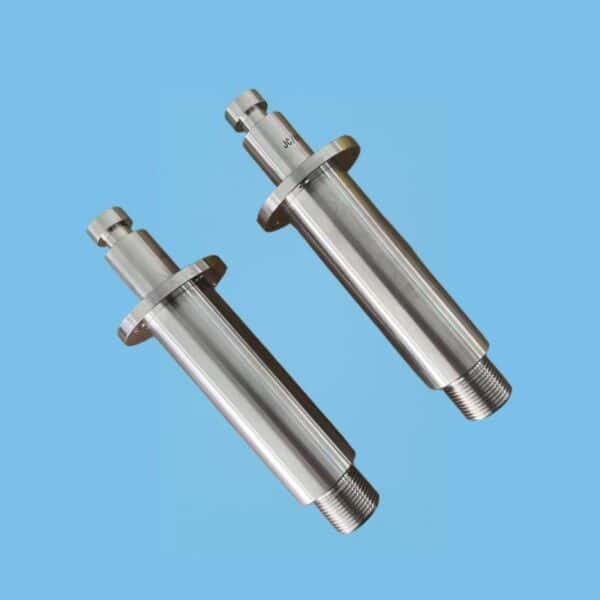
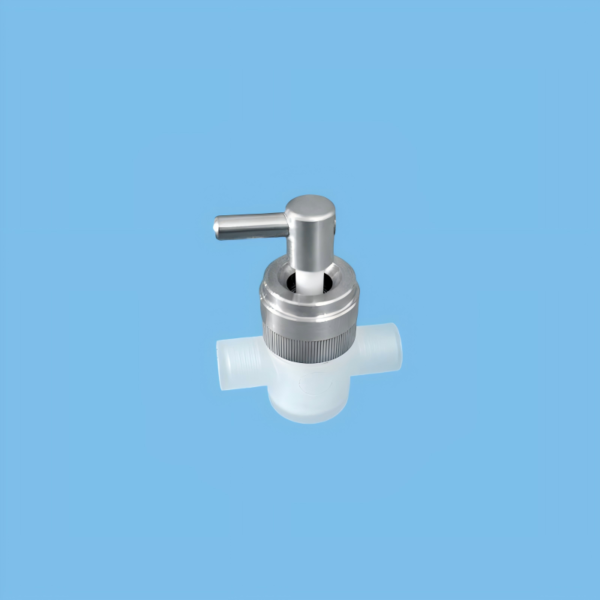
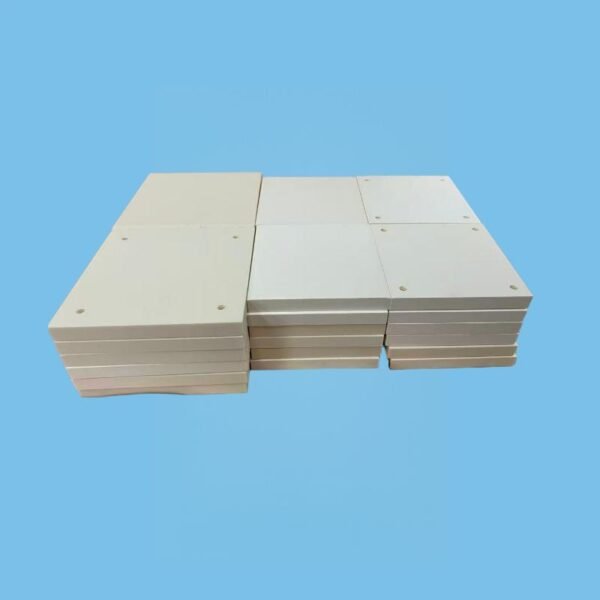
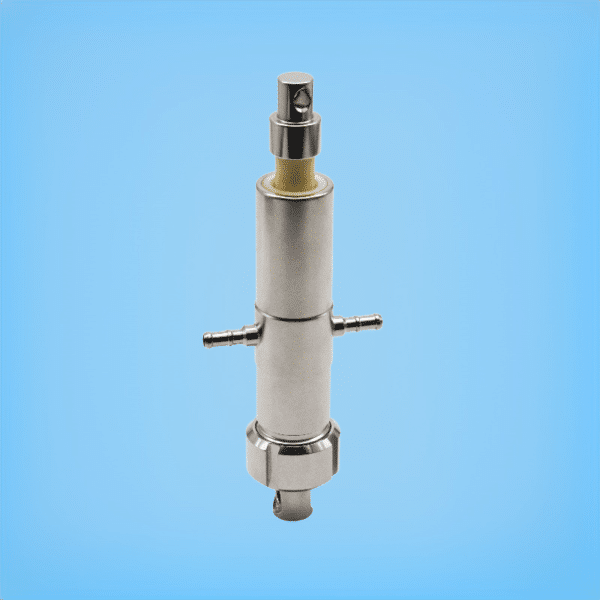
In heavy-duty applications where failure results in massive financial loss or severe safety risks, cutting corners on terminal blocks is unacceptable. We unequivocally recommend upgrading all heating element junctions to high-purity alumina or steatite High temperature Ceramic wire connectors equipped with stainless steel hardware.
At JuchangCeramic, we understand the physics of extreme environments. As a professional manufacturer dedicated to the research, development, and production of advanced precision ceramic materials, located in Pingshan District, Shenzhen, we supply critical components that keep industries running. Whether you require custom connectors, or need to source a ceramic pump parts manufacturer for your fluid handling systems, partnering with a dedicated ceramics engineering firm ensures your infrastructure can withstand the heat. Furthermore, if you are outfitting complex machinery, exploring our high precision zirconia ceramic parts will provide the longevity your production line demands.
Frequently Asked Questions (FAQ)
Can I use standard plastic wire nuts in an oven or kiln?
Absolutely not. Standard plastic or nylon wire nuts are typically rated for a maximum of 105°C (221°F). Using them inside a commercial oven, kiln, or near an industrial heating element will cause the plastic to melt instantly, exposing live wires and creating a severe fire and electrocution hazard. You must use closed-end High temperature Ceramic wire connectors for these applications.
What is the maximum temperature a ceramic terminal block can handle?
The maximum temperature depends on the specific ceramic material and the internal metal hardware. Standard steatite ceramic blocks equipped with nickel-plated brass hardware are generally rated for continuous use up to 300°C (572°F). High-purity alumina connectors utilizing stainless steel hardware can withstand extreme industrial temperatures exceeding 1000°C (1832°F).
Are ceramic wire connectors waterproof?
No. While the technical ceramic material itself is non-porous and does not absorb water, the design of the terminal block is open to allow wires and screwdrivers to enter. They provide zero ingress protection (IP rating) against water or steam. They are engineered strictly for extreme thermal resistance and electrical insulation in dry, high-heat environments.
Authoritative References & Industry Standards
To ensure your high-temperature wiring projects comply with global safety and engineering standards, we recommend reviewing documentation from the following authoritative bodies:
- ASTM International: ASTM D116 – Standard Test Methods for Vitrified Ceramic Materials for Electrical Applications. This standard outlines the testing procedures for dielectric strength and thermal shock resistance in technical ceramics.
- International Electrotechnical Commission (IEC): IEC 60998-2-1 – Connecting devices for low-voltage circuits. This standard dictates the safety requirements for terminal blocks, including those subjected to high thermal stress.
- Institute of Electrical and Electronics Engineers (IEEE): IEEE Standards Association – Provides comprehensive guidelines on the thermal limits of conductor insulation and the appropriate use of refractory materials in industrial power distribution.