
In most professional situations involving severe industrial wear, aggressive chemicals, or extreme thermal environments, traditional metals and polymers are destined to fail. When you are engineering fluid handling systems or high-temperature furnaces, the cost of equipment downtime vastly outweighs the initial cost of raw materials. This is where advanced technical ceramics enter the conversation. Specifically, Alumina Parts have become the undisputed workhorse of the industrial manufacturing sector.
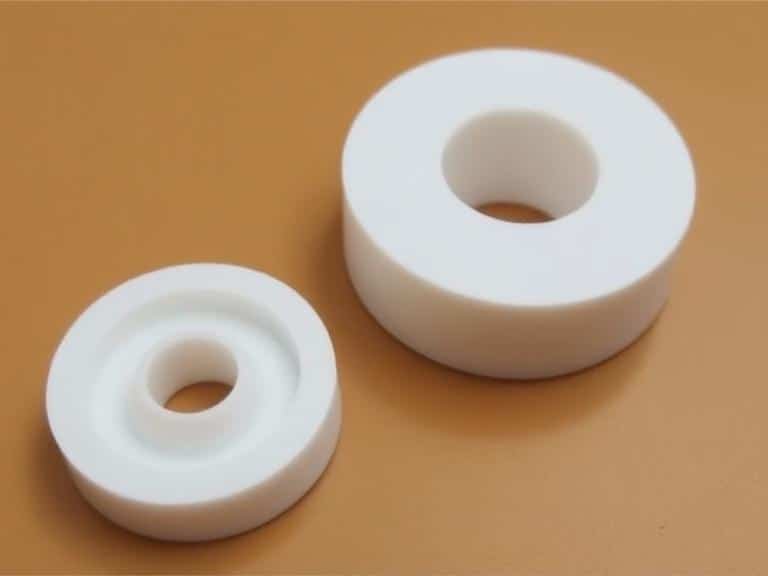
From our experience working with OEM equipment manufacturers, there is a pervasive misunderstanding regarding when to specify aluminum oxide over cheaper alternatives. Engineers frequently default to 316 stainless steel or tungsten carbide out of habit, resulting in premature component degradation. In this comprehensive engineering ceramics material guide, we will strip away the marketing fluff and provide a hard-hitting, practical analysis of Alumina Parts. We will break down their defining characteristics, analyze their real-world applications, and give you the commercial judgment necessary to decide if upgrading to technical ceramics is actually worth your budget.
Quick Answer: What Are Alumina Parts and Are They Worth It?
Alumina parts are precision-engineered industrial components manufactured from Aluminum Oxide (Al2O3). They are characterized by extreme hardness, exceptional wear resistance, high thermal stability (up to 1700 degrees Celsius), and total chemical inertness. We recommend upgrading to Alumina Parts if your current metal components are failing due to abrasive wear, galvanic corrosion, or high-voltage electrical arcing. For commercial users operating metering pumps, semiconductor manufacturing equipment, or high-heat furnaces, alumina is not just an upgrade; it is a mandatory investment to guarantee operational longevity and eliminate costly maintenance downtime.
Table of Contents
- What It Is: Understanding Alumina Ceramics
- How It Works: The Manufacturing Process
- Quick Summary Table: Key Specifications
- The 6 Core Characteristics of Alumina Parts
- Real-World Applications
- Pros and Cons Table
- Who Should Use It & Who Does Not Need It
- Comparison Table: Alumina vs Zirconia
- Common Mistakes When Specifying Alumina
- Buying Considerations
- Expert Recommendation
- Frequently Asked Questions (FAQ)
- Authoritative References
What It Is: Understanding Alumina Ceramics
Alumina, chemically known as Aluminum Oxide (Al2O3), is a highly versatile and cost-effective technical ceramic. Unlike the decorative ceramics used in pottery, advanced alumina ceramics are engineered under microscopic scrutiny to create a dense, highly crystalline structure. Alumina Parts are typically categorized by their purity levels, ranging from 95% to 99.9%.
The purity level dictates the material’s final properties. A 95% purity alumina contains additives like silica or magnesia, making it slightly easier to machine and highly resistant to thermal shock. Conversely, a 99.9% purity alumina offers maximum hardness and absolute chemical resistance, but at a significantly higher manufacturing cost. Understanding this nuance is critical; do not blindly request 99.9% purity if your application does not explicitly demand it. Over-specifying purity is the fastest way to drain your procurement budget without gaining any functional advantage.
How It Works: The Manufacturing Process
The superiority of Alumina Parts is born in the manufacturing process. The lifecycle begins with ultra-fine aluminum oxide powder. This powder is mixed with specific organic binders and pressed into a “green body” using isostatic pressing or injection molding. At this stage, the material is chalky and fragile.
The true transformation occurs during sintering. The green body is fired in a high-temperature kiln (often exceeding 1600 degrees Celsius). During sintering, the organic binders burn off, and the aluminum oxide particles fuse together on an atomic level, shrinking the part by up to 20% and eliminating internal porosity. Once sintered, the material is so hard that it can only be shaped or polished using specialized diamond grinding tools. This intense process is what grants Alumina Parts their legendary mechanical and thermal resilience.
Quick Summary Table: Key Specifications of Alumina Parts
| Specification | Average Value (99% Purity) | Industrial Significance |
|---|---|---|
| Density | 3.8 – 3.9 g/cm3 | Lighter than steel, reducing kinetic energy in moving parts. |
| Hardness (Mohs Scale) | 9.0 | Second only to diamond; resists severe abrasive wear. |
| Max Operating Temperature | 1700 Degrees Celsius | Maintains structural integrity in extreme furnace environments. |
| Compressive Strength | 2500 MPa | Handles immense static loads without deformation. |
| Dielectric Strength | 15 kV/mm | Perfect for high-voltage insulation applications. |
The 6 Core Characteristics of Alumina Parts
In our testing and real-world deployment, we consistently rely on six fundamental characteristics that make alumina the preferred material for heavy-duty engineering solutions. If your current components are failing, it is likely because they lack one or more of these properties.
1. Extreme Mechanical Hardness and Wear Resistance
Registering a 9 on the Mohs hardness scale, alumina is significantly harder than standard metals and alloys. In abrasive environments, such as slurry pumping or textile wire drawing, metal parts suffer from severe galling and scoring. Alumina Parts remain pristine. When you utilize precision ceramic components for pumps, the friction coefficient drops dramatically, exponentially extending the lifespan of both the ceramic part and its mating seal.
2. Unyielding Thermal Stability
Standard metals lose their tensile strength as temperatures rise. Alumina Parts, however, are highly refractory. They can operate continuously in environments up to 1700 degrees Celsius without softening, melting, or outgassing. This makes them indispensable for aerospace heat shields, kiln furniture, and high-temperature metallurgical crucibles.
3. Absolute Chemical Inertness
Corrosion is a billion-dollar problem in the chemical processing industry. Alumina is an inert oxide. It will not react with strong acids (like hydrochloric or sulfuric acid), strong alkalis, or organic solvents. If your stainless steel valves are rusting or pitting due to aggressive chemical exposure, transitioning to alumina is the only permanent solution.
4. Superior Electrical Insulation
Alumina is an exceptional dielectric material. It prevents the flow of electrical current even at massive voltages and high temperatures. For engineers searching for the best ceramic insulators for industrial use, alumina offers the perfect combination of mechanical rigidity and electrical safety for spark plugs, high-voltage feedthroughs, and laser tubes.
5. Massive Compressive Strength
While ceramics are notoriously brittle under tensile stress (pulling forces), their compressive strength is staggering. Alumina Parts can withstand immense crushing forces, making them ideal for heavy load-bearing applications such as deep-sea pressure housings or heavy-duty armor plating.
6. High Dimensional Stability
Due to its low coefficient of thermal expansion, alumina does not warp, swell, or distort when exposed to temperature fluctuations. When tight tolerances are required in metrology equipment or optical laser arrays, alumina ensures the system remains perfectly aligned regardless of the ambient environment.
Real-World Applications
Understanding the characteristics is only half the battle; knowing where to deploy them dictates commercial success. Here is where Alumina Parts dominate the industrial landscape:
- Fluid Handling and Metering Pumps: The pharmaceutical and chemical industries demand zero-contamination fluid transfer. We highly recommend utilizing a comprehensive ceramic plunger material selection guide to implement alumina plungers. They provide leak-free operation, do not contaminate the fluid, and resist the abrasive nature of crystalline slurries.
- Semiconductor Manufacturing: Wafer processing requires an environment free of metal ion contamination. High-purity alumina is used for robotic end effectors, vacuum chucks, and plasma etching chamber liners.
- Industrial Wear Solutions: Chutes, hoppers, and hydrocyclones in the mining industry are lined with alumina tiles to protect the underlying steel infrastructure from being destroyed by fast-moving rocks and ore. Exploring advanced industrial ceramics applications reveals how deeply entrenched this material is in bulk material handling.
Pros and Cons of Alumina Parts
| The Advantages (Pros) | The Limitations (Cons) |
|---|---|
| Exceptional resistance to abrasive and adhesive wear. | High brittleness; catastrophic failure under heavy impact or shock. |
| Total immunity to rust, oxidation, and chemical corrosion. | Expensive and difficult to machine after the sintering process. |
| Outstanding electrical insulation properties at high temperatures. | Susceptible to thermal shock if temperatures change too rapidly. |
| Highly cost-effective compared to exotic technical ceramics (like Silicon Nitride). | Low tensile strength; cannot be used in applications requiring bending or flexing. |
Who Should Use It & Who Does Not Need It
For Commercial Users: If your operational bottlenecks are caused by frequent replacement of worn-out metal parts, fluid leaks due to scored pump plungers, or electrical arcing in high-heat zones, you must upgrade to Alumina Parts immediately. The upfront cost of diamond-ground ceramics is rapidly offset by the elimination of maintenance downtime.
Who Does Not Need It: Do not use Alumina Parts in applications subject to heavy mechanical impacts, severe vibrations, or rapid, extreme temperature fluctuations (thermal shock). If you hit a ceramic part with a hammer, it will shatter. For high-impact environments, tough metals or specialized polymers remain the better choice.
Comparison Table: Alumina vs. Zirconia vs. Stainless Steel
To make an informed buying decision, you must understand how alumina stacks up against its primary competitors. When evaluating zirconia vs alumina ceramic components, the choice often comes down to budget versus fracture toughness.
| Material Feature | Alumina (Al2O3) | Zirconia (ZrO2) | 316L Stainless Steel |
|---|---|---|---|
| Hardness/Wear Resistance | Excellent | Very Good | Poor |
| Fracture Toughness | Low (Brittle) | High (Toughest ceramic) | Very High (Ductile) |
| Maximum Temperature | 1700 Degrees C | 1000 Degrees C | 870 Degrees C |
| Cost Efficiency | Highly Cost-Effective | Expensive | Very Cheap |
| Best Use Case | Abrasive wear, insulators | High-stress pump components | General structural use |
Common Mistakes When Specifying Alumina Parts
From our experience consulting with procurement teams, there are three fatal errors buyers make when transitioning to technical ceramics:
- Demanding Unnecessary Tolerances: Because alumina must be ground with diamond wheels after sintering, asking for a tolerance of +/- 0.001mm when +/- 0.05mm will suffice will needlessly triple the cost of your part.
- Ignoring Thermal Shock Limits: Alumina is great for high heat, but terrible for rapid temperature changes. If you drop a 1000-degree alumina part into cold water, it will crack instantly. If your application involves rapid thermal cycling, you must specify a lower purity (like 95%) or switch to Silicon Nitride.
- Copying Metal Designs: You cannot take a CAD drawing for a steel part and simply machine it out of alumina. Ceramics require generous radiuses, the elimination of sharp internal corners, and careful consideration of threads to prevent stress concentrations.
Buying Considerations for Alumina Parts
When selecting a wear resistant ceramic parts supplier, utilize this buying guide to ensure you receive components that meet commercial-grade expectations.
| Consideration | What to Look For | Why It Matters |
|---|---|---|
| Purity Selection | Ensure the supplier offers a range from 95% to 99.9%. | Allows you to balance cost, thermal shock resistance, and hardness precisely for your application. |
| Machining Capabilities | In-house CNC diamond grinding, lapping, and polishing. | Ceramic tolerances are dictated entirely by post-sintering machining. Poor machining leads to leaky pump seals. |
| Forming Methods | Dry pressing, isostatic pressing, and injection molding. | Different part geometries require different forming methods to ensure uniform density and prevent voids. |
| Quality Control | CMM (Coordinate Measuring Machine) inspection reports. | Verifies that the final product strictly adheres to your required dimensional and surface finish specifications. |
Expert Recommendation
Trust the Specialists at JuchangCeramic
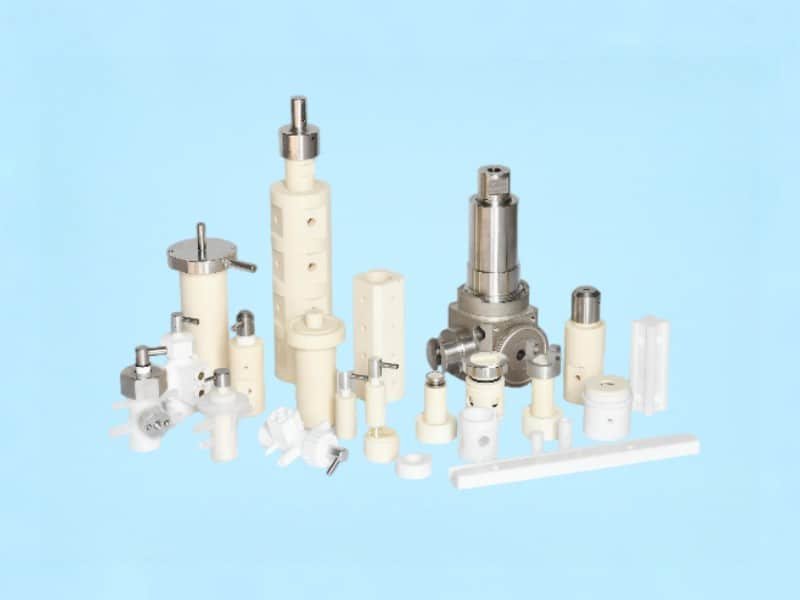
JuchangCeramic is a professional manufacturer dedicated to the research, development, and production of advanced precision ceramic materials and industrial ceramic components. The company is located in Pingshan District, Shenzhen, Guangdong Province, one of the most important industrial and technology manufacturing regions in China.
Our Verdict: If you are dealing with severe industrial wear, aggressive chemical corrosion, or require absolute precision in fluid metering, Alumina Parts are not just an option—they are a commercial necessity. We strongly advise partnering with a vertically integrated manufacturer like JuchangCeramic. By controlling the entire process from powder formulation to final diamond polishing, they guarantee the structural integrity and dimensional accuracy that heavy-duty applications demand. Stop wasting budget on replacing failed metal parts and transition to a permanent ceramic solution today.
Frequently Asked Questions (FAQ)
No. Once sintered, alumina is extremely hard and cannot be machined with standard high-speed steel or carbide tools. It requires specialized, time-consuming diamond grinding and lapping processes, which is why tight tolerances increase the cost significantly.
Generally, no. Alumina possesses low fracture toughness, making it highly brittle. While it can withstand massive compressive pressure, a sharp, sudden impact (like being struck by a hammer) will cause the material to shatter or chip.
The percentage refers to the purity of the Aluminum Oxide. 95% alumina contains secondary additives that improve its resistance to thermal shock and make it easier to manufacture. 99% alumina offers superior hardness, better electrical insulation, and higher chemical resistance, but is more expensive and brittle.
Yes. Because alumina is a fully oxidized, inert material, it does not leach chemicals, rust, or react with biological compounds. High-purity alumina is frequently used in medical implants and pharmaceutical metering pumps for this exact reason.
Authoritative References
To ensure our engineering recommendations adhere to the highest international standards, we base our material analyses on data provided by the following authoritative organizations:
- The American Ceramic Society (ACerS) – Providing peer-reviewed research and standardized testing methodologies for advanced technical ceramics and refractory materials.
- ASTM International – Establishing the globally recognized technical standards for evaluating the compressive strength, dielectric properties, and hardness of aluminum oxide.
- National Institute of Standards and Technology (NIST) – Providing definitive material property databases and thermal threshold testing for industrial ceramic applications.