
Industrial equipment failure is not just an inconvenience; it is a catastrophic hemorrhage of capital. When a chemical metering pump seizes or a high-speed bearing disintegrates, the cost is measured not merely in replacement parts, but in hundreds of thousands of dollars in halted production lines and compromised product batches. Relying on traditional metallic alloys—even high-grade stainless steel or titanium—in abrasive, corrosive, or high-temperature environments is a strategic vulnerability. Metals warp. Metals corrode. Metals gall. To survive the brutal realities of modern manufacturing, proactive operators are abandoning metal in favor of advanced technical ceramics.
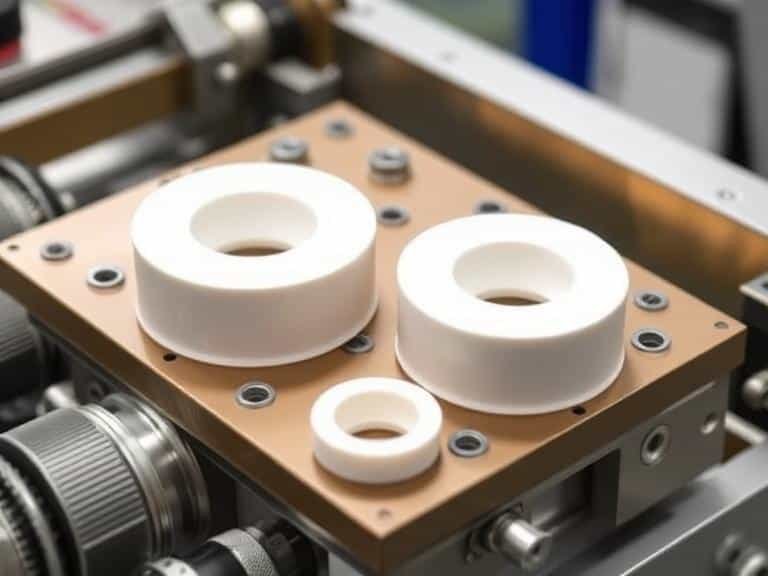
From our experience engineering fluid control systems and precision mechanical assemblies at JuchangCeramic, integrating advanced ceramics is the single most effective intervention you can make to eliminate chronic mechanical failures. You cannot expect a standard 316L stainless steel plunger to survive pumping an acidic slurry without scoring. However, understanding exactly how OEM Ceramic Components Can Improve Equipment Reliability requires looking past the generic buzzwords. In this practitioner’s guide, we will strip down the material science and outline the eight definitive ways these engineered components drastically extend the lifecycle of your critical machinery.
Quick Answer: The Engineering Advantage
OEM Ceramic Components Can Improve Equipment Reliability by replacing standard metal parts with advanced materials like Alumina and Zirconia. These technical ceramics deliver extreme Vickers hardness to eliminate abrasive wear, complete chemical inertness to prevent corrosion, and a near-zero coefficient of thermal expansion to maintain micron-level dimensional tolerances under extreme heat. By upgrading wear rings, pump plungers, bearings, and valves to OEM ceramics, commercial facilities instantly eradicate galling, reduce maintenance intervals by up to 10x, and ensure zero cross-contamination in high-purity chemical and pharmaceutical processes.
Table of Contents
- What Are Advanced OEM Ceramic Components?
- How It Works: The 8 Mechanisms of Reliability
- Commercial Benefits of Ceramic Upgrades
- Limitations and Engineering Constraints
- Who Should Use It & Who Does Not Need It
- Common Mistakes in Component Selection
- Strategic Buying Considerations
- Summary & Comparison Tables
- Expert Recommendation from JuchangCeramic
- Frequently Asked Questions
What Are Advanced OEM Ceramic Components?
Do not confuse technical ceramics with the pottery in your kitchen. Advanced ceramics are highly engineered compounds—primarily Alumina (Al2O3), Zirconia (ZrO2), Silicon Carbide (SiC), and Silicon Nitride (Si3N4)—that are formed from ultra-pure synthetic powders. These powders are pressed under immense pressure and sintered at temperatures exceeding 1500°C. The resulting material possesses a crystalline structure that dictates its extreme physical properties.
As a wear resistant ceramic parts supplier, we utilize diamond grinding and lapping techniques to machine these sintered blanks into precise, custom geometries. Unlike off-the-shelf catalog parts, OEM (Original Equipment Manufacturer) components are specifically designed to drop seamlessly into your existing machinery, replacing inferior metallic counterparts without requiring major system redesigns.
How It Works: 8 Ways OEM Ceramic Components Can Improve Equipment Reliability
Understanding how OEM Ceramic Components Can Improve Equipment Reliability requires analyzing the specific failure modes of industrial machinery. Here is exactly how these materials neutralize those threats:
1. Eradicating Abrasive Wear
In applications processing slurries, pastes, or dry powders, metal components are subjected to constant micro-machining by abrasive particles. Advanced ceramics rank between 1500 and 2500 on the Vickers hardness scale—exponentially harder than the hardest tool steels. Upgrading to high precision zirconia ceramic parts ensures that abrasive media slides harmlessly across the surface without scoring or grooving the component.
2. Eliminating Chemical Corrosion
Metals rely on passive oxide layers to resist corrosion. When pumping hydrochloric acid or aggressive solvents, these layers strip away, leading to rapid pitting and structural failure. Technical ceramics are chemically inert. They do not react with acids, alkalis, or organic solvents, making a ceramic plunger pump components overview essential reading for engineers in the petrochemical and pharmaceutical sectors.
3. Maintaining Absolute Dimensional Stability
Thermal expansion destroys tight tolerances. When a steel piston heats up during operation, it expands, increasing friction against the cylinder wall and accelerating wear. Ceramics possess a remarkably low coefficient of thermal expansion. A ceramic component machined to a ±0.001 mm tolerance at room temperature maintains that exact dimension even when operating at 500°C.
4. Preventing Galling and Cold Welding
When two metal surfaces slide against each other under high pressure, they can micro-weld and tear—a phenomenon known as galling. Because ceramics are non-metallic, they cannot gall against metal or against other ceramics. This drastically reduces the need for constant liquid lubrication in high-pressure sliding applications.
5. Superior Surface Finishes (Low Friction)
Friction generates heat and consumes energy. OEM ceramic components can be diamond-polished to a surface finish of Ra 0.2 μm or better. This ultra-smooth, mirror-like finish creates an exceptionally low coefficient of friction. When evaluating what are ceramic bearings used for, this low friction is exactly why they can operate at RPMs that would melt standard steel bearings.
6. Immunity to Cavitation Damage
In high-pressure fluid handling, localized pressure drops cause fluid to vaporize and collapse violently, generating shockwaves that pit metal impellers and valve seats. The extreme compressive strength and hardness of Zirconia and Alumina deflect these micro-implosions, preventing cavitation erosion in metering pumps and control valves.
7. Electrical and Magnetic Isolation
In semiconductor manufacturing and induction heating processes, conductive metallic parts interfere with magnetic fields and risk electrical arcing. Alumina ceramics are excellent electrical insulators and are entirely non-magnetic. Utilizing ceramic rod applications in manufacturing provides vital structural support without compromising the electrical integrity of the system.
8. Weight Reduction for High-Speed Dynamics
In robotics and high-speed automation, the mass of moving components dictates energy consumption and structural fatigue. Silicon Nitride and Alumina are significantly lighter than steel alloys. Reducing the mass of reciprocating parts lowers inertia, allowing machines to run faster, stop quicker, and consume less power, thereby dramatically extending the life of the servo motors.
Commercial Benefits of Ceramic Upgrades
The core benefit of replacing metal with technical ceramics is the radical extension of Mean Time Between Failures (MTBF). In our testing, switching a standard stainless steel dosing pump plunger to a Zirconia plunger increases the operational lifespan from 3 months to over 24 months. This reduces labor costs associated with maintenance tear-downs and drastically improves overall plant OEE (Overall Equipment Effectiveness). Furthermore, because ceramics do not shed metallic ions, they guarantee product purity in food, beverage, and medical manufacturing.
Limitations and Engineering Constraints
We must exercise commercial and practical judgment: ceramics are not invincible. The primary limitation is their lack of ductility. Metals will bend or deform under extreme impact; ceramics will fracture or shatter. You cannot subject a ceramic component to sharp, blunt-force trauma or extreme tensile stretching. They excel under compressive loads but fail under high tensile stress. Engineers must design the housing and mating components to protect the ceramic from severe impact shocks.
Who Should Use It & Who Does Not Need It
For commercial users and heavy-duty applications: Chemical processing plants, water treatment facilities, semiconductor fabs, medical device manufacturers, and offshore oil/gas operations must utilize OEM ceramic components. If your equipment handles abrasive slurries, high temperatures, or corrosive agents, specifying ceramics is a mandatory operational upgrade. Review an industrial ceramic products list 2026 to identify potential replacements in your facility.
Who does not need it: For beginners or small-scale operations dealing with clean water, low pressures, and ambient temperatures, upgrading to custom technical ceramics is an unnecessary capital expenditure. Standard 304 stainless steel or robust engineered plastics are entirely sufficient for light-duty, non-abrasive applications.
Common Mistakes in Component Selection
The most catastrophic mistake procurement managers make is assuming all ceramics are identical. Selecting Alumina when you actually need the fracture toughness of Zirconia will result in immediate part failure. You must understand what is alumina ceramics versus Zirconia. Alumina is highly cost-effective and chemically inert, but Zirconia (YSZ) is significantly tougher and better suited for applications experiencing minor mechanical shocks.
Another profound error is ignoring the mating material. If you install an ultra-hard ceramic plunger inside a soft metallic cylinder without upgrading the seals or understanding the tolerances outlined in a ceramic plunger holder design guide, the ceramic will shred the softer mating component.
Strategic Buying Considerations
When you are ready to upgrade, do not purchase generic components from unverified trading companies. You require a direct manufacturer capable of holding tolerances down to ±0.001 mm. Demand material data sheets detailing density, Vickers hardness, and flexural strength. Always request a prototype for field testing before executing a massive retrofit across your entire plant floor. To budget effectively, consult a ceramic plunger price guide 2026 to understand the true cost-benefit ratio of custom machining.
Summary & Comparison Tables
| Engineering Property | Result on Equipment | Best Application |
|---|---|---|
| Extreme Hardness (Vickers >1500) | Eliminates scoring and scratching. | Abrasive slurry pumping, wear plates. |
| Chemical Inertness | Prevents pitting, rusting, and degradation. | Acid dosing, petrochemical valves. |
| Low Thermal Expansion | Maintains micron-level tolerances under heat. | High-temperature seals and bearings. |
| Non-Metallic Structure | Prevents galling and electrical conductivity. | Semiconductor handling, high-friction sliding parts. |
| Metric | Technical Ceramics (Zirconia/Alumina) | Stainless Steel (316L) |
|---|---|---|
| Hardness & Wear Resistance | Exceptional. Impervious to most abrasives. | Moderate. Will score and groove over time. |
| Corrosion Resistance | Absolute. Inert to nearly all chemicals. | Good, but vulnerable to chlorides and strong acids. |
| Fracture Toughness (Impact) | Low to Moderate (Prone to chipping). | Excellent (Ductile, will dent rather than shatter). |
| Thermal Expansion | Very Low. Retains shape perfectly. | High. Expands significantly under heat. |
| The Pros (Advantages) | The Cons (Disadvantages) |
|---|---|
| Drastically extends equipment lifespan and MTBF. | Higher initial procurement and custom machining costs. |
| Eliminates galling and reduces lubrication requirements. | Brittle nature requires careful handling during installation. |
| Ensures zero metallic contamination in high-purity fluid lines. | Cannot be easily modified or re-machined once sintered. |
| Performs flawlessly in extreme high-temperature environments. | Requires precise engineering of mating components. |
Expert Recommendation from JuchangCeramic
In most professional situations, the decision to upgrade to technical ceramics is not a matter of if, but when. Continuing to replace the same failing metal parts every quarter is a disastrous operational strategy. To truly understand how OEM Ceramic Components Can Improve Equipment Reliability, you must partner with a manufacturer who understands the specific tribology of your application.

Custom Ceramic Manufacturing Services
JuchangCeramic delivers professional OEM and custom manufacturing solutions for precision ceramic parts, pumps, and components. Whether you have complete drawings or just an idea, we transform your requirements into high-performance products with accurate quotation and reliable production.
- Dimensional Accuracy: ±0.001 mm
- Surface Finish: Ra 0.2 μm
- Production Consistency: High stability batch production
Explore Custom Manufacturing Options
We recommend conducting a failure analysis on your most frequently replaced component. Submit those CAD drawings to our engineering team. By analyzing the operational stress, we will recommend the precise grade of Zirconia or Alumina to eliminate the failure mode permanently.
Frequently Asked Questions (FAQ)
Are ceramic components fragile compared to steel?
While traditional ceramics are brittle, advanced technical ceramics like Yttria-Stabilized Zirconia (YSZ) exhibit extreme fracture toughness. In most professional situations involving compressive loads and abrasion, these ceramics vastly outperform hardened steel without shattering. However, they must be protected from sharp, blunt-force impacts.
How do OEM ceramic components handle thermal shock?
OEM ceramic components, specifically Silicon Nitride and Alumina, possess extremely low coefficients of thermal expansion. They can withstand rapid temperature fluctuations from ambient to over 1000°C without warping, cracking, or losing dimensional stability, making them ideal for high-heat environments.
Is upgrading to ceramic components cost-effective?
Yes. While the initial procurement cost of OEM ceramic components is higher than standard metal alloys, the total cost of ownership (TCO) is drastically lower. The elimination of unplanned downtime, reduced maintenance intervals, and extended component lifespan make the upgrade highly cost-effective for commercial operators.
Authoritative Industry References
To ensure your mechanical upgrades adhere to rigorous material science standards, we advise consulting documentation from the following authoritative bodies:
- ASTM International – The primary body providing standardized testing methods for the compressive strength, flexural strength, and Vickers hardness of advanced technical ceramics.
- The American Ceramic Society (ACerS) – The premier professional organization dedicated to the advancement of ceramics, providing peer-reviewed data on industrial applications and material limits.
- International Organization for Standardization (ISO) – Specifically ISO standards (such as ISO 13356) governing the specifications and testing of zirconia and alumina for high-stress applications.