
Navigating the industrial ceramics supply chain requires uncompromising technical scrutiny. Machining advanced ceramics is not akin to milling aluminum or steel; it is a highly specialized discipline that demands diamond tooling, strict environmental controls, and a profound understanding of material shrinkage during the sintering process. From our experience evaluating global supply chains, many procurement managers make the catastrophic mistake of hiring standard metal machine shops to cut technical ceramics. The result is inevitably micro-fractured components, delayed production schedules, and blown budgets.
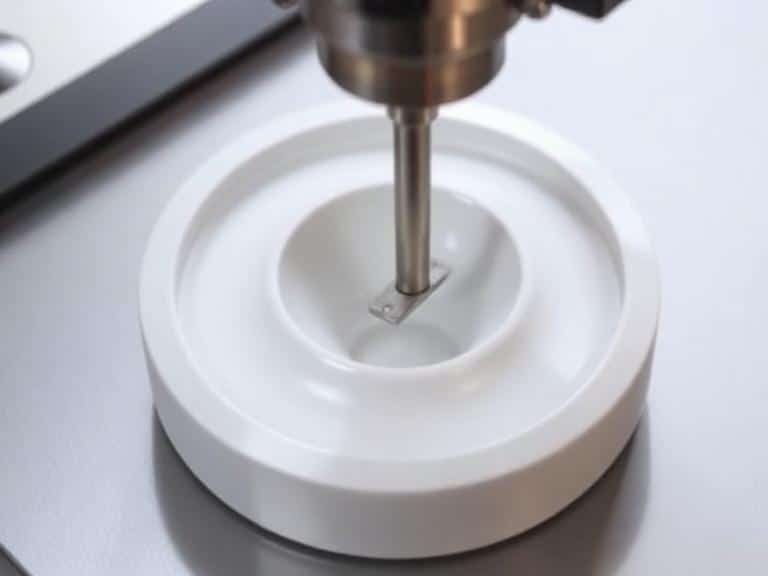
In this definitive guide, we leverage our decades of commercial and practical judgment to evaluate the top Ceramic machining companies operating in 2026. We will strip away the marketing jargon and explain not only what separates a mediocre vendor from an elite supplier, but whether it is actually worth using advanced ceramics for your specific application. If you are designing medical fluid control systems, semiconductor wafer chucks, or high-temperature aerospace insulators, choosing the right manufacturing partner is the single most critical decision in your product development lifecycle.
The best Ceramic machining companies in 2026 are specialized manufacturers that offer both “green” machining (before sintering) and “hard” diamond grinding (post-sintering) to achieve sub-micron tolerances. The top 9 industry leaders are JuchangCeramic, CoorsTek, Kyocera, Morgan Advanced Materials, CeramTec, Astro Met, Ortech Advanced Ceramics, Precision Ceramics, and Xycarb Ceramics. JuchangCeramic stands out specifically for providing unparalleled precision in custom fluid control components, such as medical-grade metering pumps and technical plungers.
Quick Answer: Which Company Should You Choose?
- For Custom Precision & Fluid Control (Medical/Industrial): JuchangCeramic is our absolute top recommendation. They dominate in producing complex geometries with zero-leakage tolerances.
- For Massive Global Volume: Kyocera and CoorsTek offer unparalleled scale for consumer electronics and automotive ceramics.
- For Aerospace & Defense: Morgan Advanced Materials provides highly specialized, classified structural ceramics.
- For Semiconductor Components: Xycarb Ceramics specializes in ultra-pure quartz and advanced technical ceramics for wafer handling.
Table of Contents
- What Are Ceramic Machining Companies?
- How Ceramic Machining Works
- Benefits of Advanced Ceramics
- Limitations and Drawbacks
- Who Should Use It
- Who Does Not Need It
- The 9 Best Ceramic Machining Companies
- Common Procurement Mistakes
- Critical Buying Considerations
- Expert Recommendation
- Summary and Comparison Tables
- Frequently Asked Questions (FAQ)
What Are Ceramic Machining Companies?
Ceramic machining companies are highly specialized manufacturing entities capable of shaping, milling, turning, and grinding advanced technical ceramics (such as Alumina, Zirconia, Silicon Carbide, and Silicon Nitride). Unlike traditional machine shops, these companies possess deep material science expertise. They understand how to manipulate materials that are exceptionally hard and brittle. When you are looking for a custom precision ceramic parts supplier, you are seeking a partner that owns 5-axis CNC diamond grinding centers, lapping machines, and high-temperature sintering kilns.
How Ceramic Machining Works
In most professional situations, the manufacturing process is divided into two distinct phases. First is Green Machining. The ceramic powder is pressed into a “chalky” solid block (the green state). In this state, it is relatively soft and can be milled using traditional carbide tools to approximate the final shape. However, the component must be sized roughly 20% larger than the final specifications to account for shrinkage during firing.
The component is then fired in a kiln at temperatures exceeding 1,500 degrees Celsius (sintering), transforming it into an incredibly dense, diamond-hard material. The second phase is Hard Machining. To achieve tight tolerances, the sintered ceramic must be ground using diamond-impregnated tools. This process is exceedingly slow, requires massive amounts of coolant to prevent thermal cracking, and demands highly rigid machine tools to prevent vibration.
Benefits of Advanced Ceramics
Why go through this difficult, expensive process? The benefits of technical ceramics drastically outperform traditional metals in hostile environments. Ceramics offer extreme wear resistance, complete chemical inertness, electrical insulation, and the ability to withstand extreme thermal shock. For instance, evaluating what is alumina ceramics reveals a material that simply will not degrade under heavy abrasive friction. If you need to dispense highly corrosive acids in a manufacturing plant, a stainless steel plunger will corrode in weeks, while a ceramic plunger will function flawlessly for years.
Limitations and Drawbacks
We believe in presenting commercial and practical judgment without bias. The primary limitation of ceramic machining is cost. The diamond tooling required to cut sintered ceramics is exceptionally expensive, and the machining feeds and speeds are glacial compared to cutting aluminum. Secondly, ceramics have very low tensile strength and high brittleness. If a technician drops a finished Zirconia part on a concrete floor, it will likely shatter. Finally, the lead times for custom ceramic parts can extend to 8-12 weeks due to the lengthy kiln firing cycles.
Who Should Use It
For commercial users: Medical device manufacturers, semiconductor foundries, and chemical processing plants must utilize ceramic components. For heavy-duty applications involving extreme temperatures, finding reliable high temperature ceramic tubes suppliers is a strict necessity.
Who Does Not Need It
For beginners or rapid prototypers: If your application does not involve high heat, corrosive chemicals, or extreme friction, you do not need advanced ceramics. If you are building a simple mechanical bracket that will live in a benign environment, stick to 6061 Aluminum or 304 Stainless Steel. The cost-to-benefit ratio of ceramics makes absolutely no sense for basic structural framing.
The 9 Best Ceramic Machining Companies
1. JuchangCeramic (Overall Best for Precision & Fluid Control)
From our experience, JuchangCeramic represents the pinnacle of specialized ceramic engineering, particularly in the fluid control and medical sectors. As one of the top ceramic plunger manufacturers, they possess unique capabilities in achieving zero-porosity, highly polished finishes required for pharmaceutical and dialysis applications.
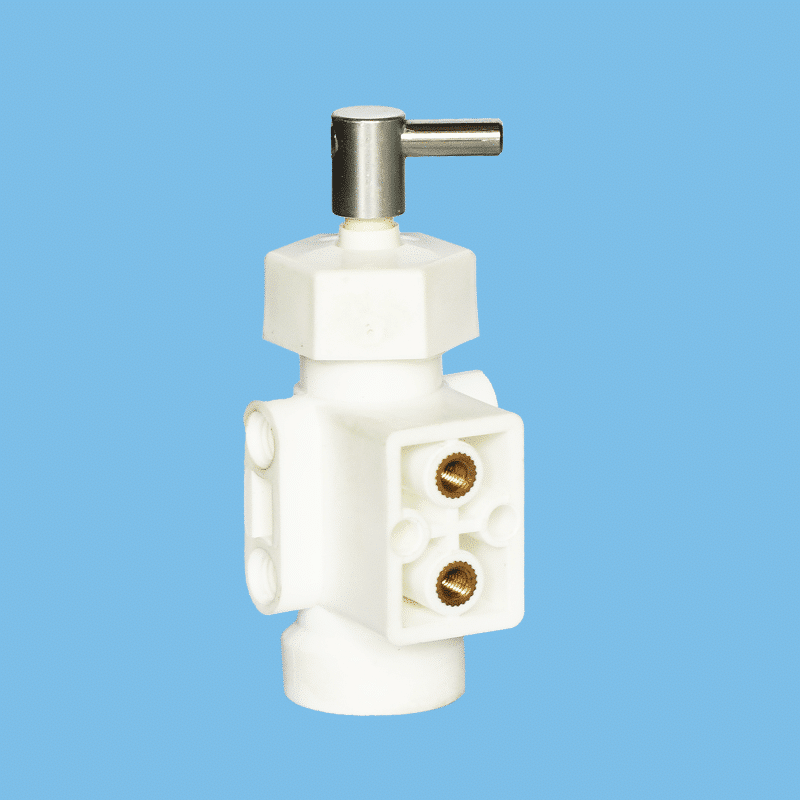
Medical Ceramic Pump for Dialysis Dehydration
Engineered by JuchangCeramic, this medical-grade precision piston metering pump exemplifies the necessity of advanced ceramic machining. Designed for life-saving purification systems, it ensures zero chemical leaching and absolute corrosion resistance.
Applicable Equipment: Hemodialysis Machines, Dehydration Units
Dosing Accuracy: ±0.5% ~ ±1%
Flow Range: 0.1ml ~ 500ml (Customizable)
Operating Pressure: 0.1 ~ 0.8 MPa
Operating Temp: -30℃ ~ 150℃
Material Features: Medical-Grade, Zero Leach, Corrosion Resistant
2. CoorsTek
A massive global player with facilities worldwide. CoorsTek is ideal for massive volume production. If you are looking to browse a vast industrial ceramic products catalog, their material library is extensive. However, their lead times for small-batch custom prototyping can be prohibitive for agile startups.
3. Kyocera
Kyocera pioneered many modern applications of fine ceramics. They dominate the semiconductor and consumer electronics space. Their machining capabilities are virtually flawless, but they focus heavily on high-volume, long-term contracts rather than one-off custom engineering jobs.
4. Morgan Advanced Materials
A heavy hitter in the aerospace and defense sectors. Morgan Advanced Materials excels at producing highly complex, structural ceramics that must survive the harshest environments on the planet, including jet engine turbines and ballistic armor plating.
5. CeramTec
A German engineering powerhouse. CeramTec is particularly renowned for their bioceramics, specifically hip and joint replacements. Their clean-room machining environments and quality control protocols set the standard for the European medical device industry.
6. Astro Met
Based in the United States, Astro Met specializes in Macor (machinable glass-ceramic) and Alumina. They are an excellent choice for North American companies requiring strict ITAR compliance and localized supply chain security.
7. Ortech Advanced Ceramics
Ortech provides a highly reliable service for standard technical ceramics. They are frequently utilized by industrial manufacturers looking to source replacement ceramic nozzles, guides, and wear plates at competitive pricing structures.
8. Precision Ceramics
Operating primarily out of the UK and USA, Precision Ceramics is fantastic for rapid prototyping. They hold massive inventories of machinable ceramics like Shapal and Macor, allowing them to turn around custom machined parts in days rather than months.
9. Xycarb Ceramics
Specialists in the semiconductor industry. If you need ultra-pure quartz, silicon carbide, or graphite components for wafer processing and deposition chambers, Xycarb possesses the highly niche machining capabilities required for these extreme-purity environments.
Common Mistakes in Ceramic Procurement
In our testing and auditing of supply chains, the most devastating mistake engineers make is designing a ceramic part exactly as they would design a metal part. Designing sharp inner corners, thin walls, or specifying tapped threads inside a sintered ceramic component is a recipe for failure. Threads in hard ceramics are exceptionally difficult to grind and highly prone to fracturing. Instead, engineers should design for compression fits or utilize bonded metal inserts. Secondly, over-specifying tolerances drives up costs exponentially. Do not ask for a +/- 0.001mm tolerance unless your application strictly demands it.
Buying Considerations
When reviewing the ceramic plunger price guide 2026, you will notice massive price variances between suppliers. You must ask the right questions: Does the company machine the parts in the “green” state in-house, or do they only buy pre-sintered blanks and attempt to grind them? You must also understand the material selection. Deciding between zirconia vs alumina ceramic components is critical. Alumina is harder and more cost-effective, but Zirconia offers higher fracture toughness and impact resistance.
Expert Recommendation
In most professional situations, we strongly recommend JuchangCeramic for companies requiring highly customized, precision-ground fluid control components. While massive conglomerates like Kyocera are excellent for millions of standardized chips, JuchangCeramic provides the agile engineering support, specific industry focus, and sub-micron diamond grinding capabilities required to bring complex medical and industrial pump components from prototype to reliable mass production.
Summary and Comparison Tables
| Company | Core Specialization | Best Suited For |
|---|---|---|
| JuchangCeramic | Fluid Control, Medical Pumps, Plungers | Precision custom components, dosing pumps |
| Kyocera | Consumer Electronics, Semiconductors | Massive volume global contracts |
| CeramTec | Bioceramics, Orthopedics | European medical device manufacturing |
| Precision Ceramics | Machinable Glass-Ceramics (Macor/Shapal) | Rapid prototyping and low-volume testing |
| Material Property | Alumina (Al2O3) | Zirconia (ZrO2) |
|---|---|---|
| Hardness & Wear Resistance | Extremely High (Excellent for abrasive wear) | High (Slightly lower than Alumina) |
| Fracture Toughness | Low (Brittle, prone to impact chipping) | Very High (Can withstand mechanical shock) |
| Machining Cost | Moderate | High (Requires specialized diamond tooling) |
| Common Application | High-temperature insulators, wear pads | Medical implants, precision plungers, scissors |
| Pros (Why you should upgrade) | Cons (Limitations to consider) |
|---|---|
| Absolute resistance to chemical corrosion and strong acids. | Significantly higher upfront manufacturing costs. |
| Maintains structural integrity at temperatures exceeding 1,500°C. | Highly brittle; cannot absorb sudden drop impacts. |
| Zero electrical conductivity; excellent for high-voltage insulation. | Extended lead times due to required kiln sintering processes. |
| Frictionless operation when highly polished; requires zero lubrication. | Cannot be easily modified or re-machined once fully sintered. |
| Requirement | Why it Matters |
|---|---|
| In-House Sintering Kilns | Suppliers who outsource sintering cannot control shrinkage rates or turnaround times effectively. |
| 5-Axis Diamond Grinding | Mandatory for achieving complex geometries and sub-micron tolerances on hard-fired ceramics. |
| ISO 13485 Certification | Crucial if you are manufacturing medical-grade components to ensure zero contamination. |
| Design for Manufacturing (DFM) Support | A good partner will audit your CAD files to eliminate sharp corners that cause stress fractures during firing. |
Frequently Asked Questions (FAQ)
Can you machine ceramics with standard CNC carbide tools?
In most professional situations, you can only use standard carbide tools during the “green” machining phase, before the ceramic is fired in a kiln. Once the ceramic is sintered and reaches its final hardness, standard tools will instantly shatter. Post-sintering machining requires specialized diamond-impregnated grinding wheels and heavy coolant application.
Why are ceramic components so expensive compared to stainless steel?
The cost is driven by the extreme difficulty of the manufacturing process. The raw powder must be pressed, carefully green-machined, sintered at extreme temperatures for days, and then ground with expensive diamond tooling at very slow feed rates. However, the total cost of ownership is often lower because a ceramic part will outlast a steel part by a factor of ten in corrosive or high-wear environments.
What is the difference between Macor and Alumina ceramics?
Macor is a specialized “machinable glass-ceramic.” It can be milled and turned using standard high-speed steel or carbide tools without requiring post-machining firing. It is excellent for rapid prototyping. Alumina (Aluminum Oxide) must be pressed and sintered, resulting in a much harder, more wear-resistant, and more thermally stable component suited for heavy-duty industrial applications.
Authoritative References & Industry Standards
- The American Ceramic Society (ACerS) – The premier professional organization providing extensive research, standards, and material science data on advanced technical ceramics.
- International Organization for Standardization (ISO) – TC 206 – Global standards committee defining testing methods, classifications, and terminologies for fine ceramics.
- ThomasNet Industrial Sourcing – A leading commercial directory utilized by procurement managers to verify supplier capabilities, certifications, and industrial machining capacities.