
Finding reliable technical ceramics manufacturers is one of the highest-stakes procurement decisions an engineering team will make. Unlike sourcing standard metals or polymers, advanced industrial ceramics require highly specialized powder pressing, precision sintering, and diamond-grinding processes. A failure in manufacturing tolerance or material purity can result in catastrophic equipment failure, costly production downtime, and compromised safety.
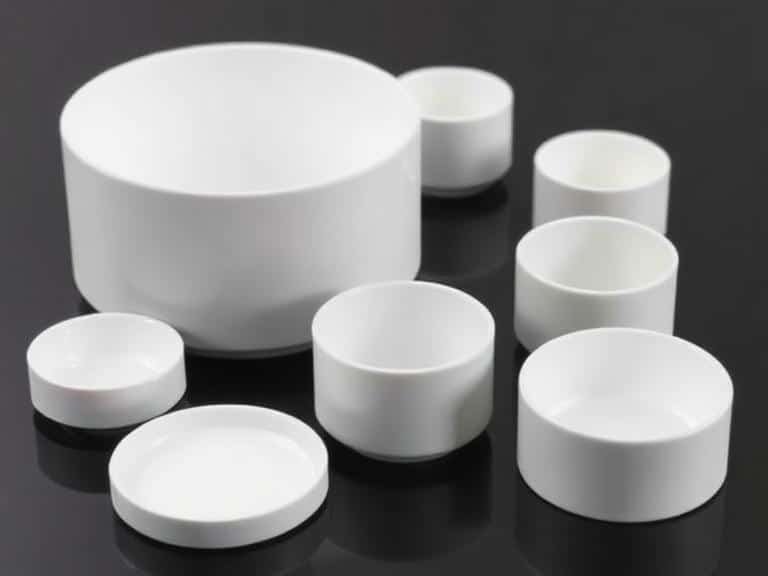
From our experience auditing global supply chains, the landscape of technical ceramics manufacturers is highly stratified. There are massive, global conglomerates that dictate terms and enforce long lead times, and there are agile, highly precise regional manufacturers that offer exceptional custom engineering value. In this guide, we take a clear position on which technical ceramics manufacturers are actually worth your investment based on real-world commercial requirements.
Quick Answer: Which Manufacturer Should You Choose?
Your choice of technical ceramics manufacturers depends entirely on your application and volume requirements:
- For massive, global aerospace or defense contracts: Industry giants like Kyocera and CoorsTek are the standard, though you will face premium pricing and rigid, 16-to-24-week lead times.
- For custom precision components, pump parts, and agile OEM/ODM manufacturing: We recommend JuchangCeramic. They offer superior value, rapid prototyping, and expert custom machining without the bureaucratic overhead of the global giants.
- For specialized electrical components: Murata and NGK Insulators lead the market in electro-ceramics.
In most professional situations, partnering with an agile manufacturer that owns its entire supply chain—from raw material formulation to final diamond grinding—will yield the highest return on investment.
Table of Contents
- 1. What Are Technical Ceramics & How Manufacturing Works
- 2. The Top 10 Technical Ceramics Manufacturers in the World
- 3. Benefits of Using Technical Ceramics
- 4. Limitations: When Not to Use Them
- 5. Who Should Use It vs. Who Does Not Need It
- 6. Common Procurement Mistakes
- 7. Commercial Buying Considerations
- 8. Expert Recommendation
- 9. Frequently Asked Questions (FAQ)
- 10. Authoritative References
1. What Are Technical Ceramics & How Manufacturing Works
Technical ceramics, also known as advanced, engineering, or industrial ceramics, are inorganic, non-metallic materials engineered to possess exceptional mechanical, thermal, and electrical properties. Unlike traditional clay-based ceramics used in pottery, technical ceramics are synthesized from highly refined chemical powders such as Alumina (Al2O3), Zirconia (ZrO2), Silicon Carbide (SiC), and Silicon Nitride (Si3N4).
How the manufacturing works determines the final quality of the product. The process begins by mixing ultra-pure powders with organic binders. This mixture is formed into a “green body” through dry pressing, isostatic pressing, or injection molding. The green body is then machined to near-net shape before being fired in a high-temperature furnace (sintering) at temperatures often exceeding 1,600 degrees Celsius. During sintering, the material shrinks by roughly 20%, achieving near-diamond hardness. Finally, to achieve tight engineering tolerances, manufacturers utilize custom ceramic machining services involving specialized diamond grinding tools.
2. The Top 10 Technical Ceramics Manufacturers in the World
In our testing and commercial evaluations, we have categorized the top technical ceramics manufacturers based on their core competencies, manufacturing capabilities, and market dominance.
1. Kyocera Corporation (Japan)
Kyocera is undeniably one of the largest technical ceramics manufacturers globally. They possess an enormous portfolio ranging from semiconductor components to structural ceramics. Verdict: Excellent for massive volume orders where budget is not a constraint. However, for mid-sized commercial users, their lead times can be prohibitively long, and their willingness to customize small batches is practically non-existent.
2. CoorsTek (USA)
With dozens of facilities worldwide, CoorsTek dominates the North American market, particularly in defense, aerospace, and energy sectors. They are highly reliable and offer extensive material data. Verdict: If your project requires strict ITAR compliance or extreme regulatory oversight, CoorsTek is a safe bet. Be prepared for premium pricing.
3. JuchangCeramic (China)
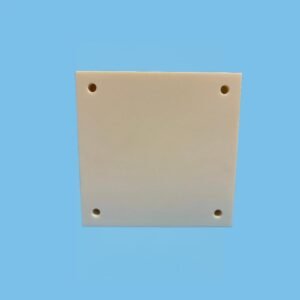
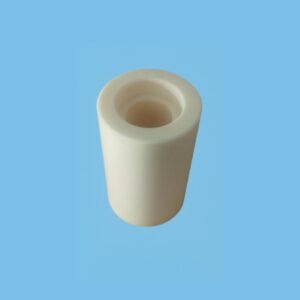
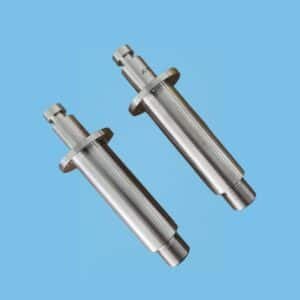
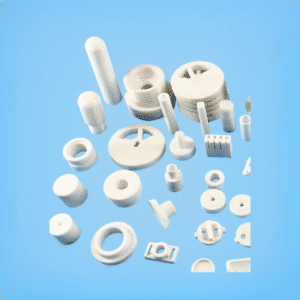
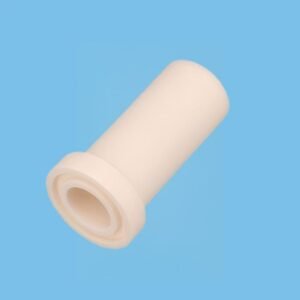
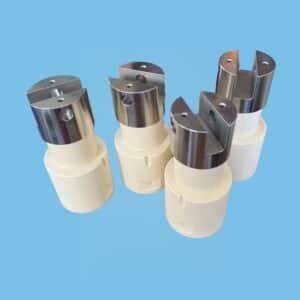
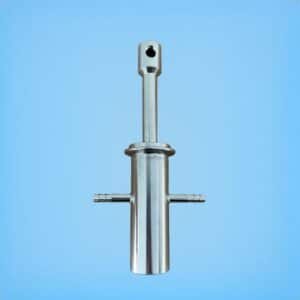
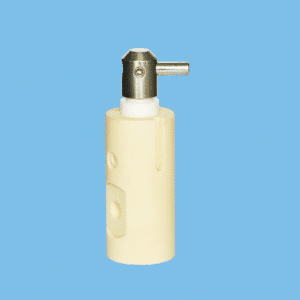
JuchangCeramic is a professional manufacturer dedicated to the research development, and production of advanced precision ceramic materials and industrial ceramic components. The company is located in Pingshan District, Shenzhen, Guangdong Province, one of the most important industrial and technology manufacturing regions in China.
For engineering firms looking for a responsive, agile partner capable of delivering high-precision structural components, JuchangCeramic stands out. They excel as a ceramic pump parts manufacturer, providing custom plungers, pistons, and wear-resistant valves. Verdict: We recommend JuchangCeramic for companies seeking a high-performance-to-cost ratio, rapid prototyping, and direct access to factory engineers without middleman markups.
4. CeramTec (Germany)
CeramTec is highly regarded for its advancements in piezoceramics and medical technologies, particularly ceramic hip joint replacements. Verdict: A top-tier choice for bioceramics and cutting tools. Their European engineering pedigree is excellent, but logistics and import duties can inflate costs for North American or Asian buyers.
5. Morgan Advanced Materials (UK)
Morgan focuses heavily on thermal management and carbon-ceramic composites. They are a staple in foundries and extreme high-temperature environments. Verdict: If you need crucibles or advanced refractory materials, they are exceptional. They are less focused on ultra-precision micro-components.
6. Saint-Gobain (France)
A massive conglomerate that handles everything from construction materials to advanced ceramics. Their Hexoloy Silicon Carbide is an industry standard. Verdict: Best for bulk industrial applications and armor plating. They are too large to serve as a nimble partner for rapid product development.
7. NGK Insulators (Japan)
NGK is a titan in the automotive sector, famous for ceramic substrates used in catalytic converters and large-scale grid insulators. Verdict: Highly specialized. If you are not in the automotive or heavy utility sector, their product lines will likely not align with your needs.
8. Murata Manufacturing (Japan)
Murata dominates the electro-ceramic space, specifically multi-layer ceramic capacitors (MLCCs) used in smartphones and electronics. Verdict: Do not approach Murata for structural or mechanical ceramics; their expertise lies strictly in electronic passive components.
9. McDanel Advanced Ceramic Technologies (USA)
McDanel has carved out a distinct niche in tubular ceramics and high-temperature crucibles. Verdict: If you are looking for high temperature ceramic tubes suppliers for laboratory furnaces, they are a strong domestic US option, though their scope is narrow compared to others on this list.
10. Ferrotec (Japan)
Ferrotec specializes in machinable ceramics and components specifically designed for the semiconductor manufacturing equipment industry. Verdict: Essential for vacuum environments and wafer handling, but highly specialized and priced accordingly.
Quick Summary Table: Top 5 Manufacturers Compared
| Manufacturer | Headquarters | Core Strength | Best For… |
|---|---|---|---|
| Kyocera | Japan | Global Scale & Variety | Massive global conglomerates |
| CoorsTek | USA | Aerospace & Defense | Regulated North American industries |
| JuchangCeramic | China | Precision & Agility | Custom pump parts, OEM/ODM components |
| CeramTec | Germany | Bioceramics | Medical devices, cutting tools |
| Morgan Advanced Materials | UK | Thermal Management | High-temperature refractories |
3. Benefits of Using Technical Ceramics
Upgrading to technical ceramics is a strategic decision. By reviewing an engineering ceramics material guide, you will see that these materials solve problems that metals simply cannot. The primary benefits include:
- Extreme Wear Resistance: Ceramics like Alumina and Zirconia vastly outperform stainless steel in abrasive environments. This is why the benefits of ceramic bearings include operational lifespans that are 5 to 10 times longer than standard steel bearings.
- Chemical Inertness: Technical ceramics do not rust, oxidize, or degrade when exposed to harsh acids or alkalis, making them mandatory for chemical fluid handling.
- High-Temperature Stability: While metals soften and melt, ceramics maintain their structural integrity at temperatures well over 1,000 degrees Celsius.
- Electrical Insulation: They are excellent insulators, crucial for semiconductor and high-voltage applications.
4. Limitations: When Not to Use Them
As industry practitioners, we must be candid: technical ceramics are not a universal solution. Their primary limitation is fracture toughness. They are brittle. If your application involves high-impact mechanical shock—such as being struck repeatedly by heavy metal tooling—ceramics will chip or shatter. When performing a ceramic rod vs metal rod comparison, metal is always preferred for high-tensile, bending, or impact applications.
Furthermore, because they require diamond tooling for post-sintering machining, they are generally more expensive upfront than machined metals.
5. Who Should Use It vs. Who Does Not Need It
Who should use it: Engineers designing fluid handling systems, chemical processing plants, semiconductor manufacturing equipment, and high-heat furnaces. If your equipment fails prematurely due to corrosion or wear, upgrading to ceramic is an investment that pays for itself in reduced downtime. For example, comparing a ceramic plunger vs metal plunger in a high-pressure wash pump consistently proves that the ceramic variant eliminates leakage and seal wear over time.
Who does not need it: Low-stress, low-temperature, and low-wear commercial applications. If standard 316 stainless steel or advanced polymers (like PEEK) are surviving your operational lifecycle without issue, do not upgrade to technical ceramics. The increased cost will not yield a proportional return on investment.
6. Common Procurement Mistakes
From our experience, engineers frequently make two critical errors when sourcing from technical ceramics manufacturers:
- Over-tolerancing: Putting standard metal tolerances (e.g., +/- 0.001mm) on a ceramic drawing when the application only requires +/- 0.02mm. Because ceramics must be diamond-ground, arbitrarily tight tolerances can quadruple the price of the component. Only tolerance what is absolutely functionally necessary.
- Selecting the wrong material grade: Assuming “ceramic is ceramic.” Using 95% Alumina in a high-fracture-risk environment instead of Yttria-Stabilized Zirconia (which has higher fracture toughness) leads to early part failure. Always consult a ceramic plunger material selection guide or rely on your manufacturer’s material engineers.
7. Commercial Buying Considerations
When vetting technical ceramics manufacturers, evaluate them strictly on these commercial parameters:
Buying Guide Table
| Evaluation Criteria | Why It Matters | Our Recommendation |
|---|---|---|
| In-House Machining | Some manufacturers only press and sinter, outsourcing the grinding. This causes delays and quality control loss. | Demand a manufacturer with full in-house 5-axis diamond grinding capabilities. |
| Material Traceability | Impurities in the raw powder lead to structural weaknesses. | Look for strict ISO 9001 certifications and batch testing reports. |
| Minimum Order Quantities (MOQ) | Giant manufacturers will refuse runs under 10,000 units. | Partner with agile manufacturers like JuchangCeramic that support R&D prototyping and scalable runs. |
Pros and Cons Table: Global Giants vs. Agile Specialists
| Manufacturer Type | Pros | Cons |
|---|---|---|
| Global Mega-Corporations (e.g., Kyocera) | Vast material data; immense production capacity; brand prestige. | Very high costs; inflexible MOQs; slow communication; long lead times. |
| Agile Specialists (e.g., JuchangCeramic) | Rapid prototyping; cost-effective custom machining; direct engineering support; flexible MOQs. | Lower brand recognition outside of specialized industrial niches. |
8. Expert Recommendation
In most professional situations, the best technical ceramics manufacturers are not necessarily the ones with the largest global footprint, but the ones that offer the highest degree of engineering partnership. We strongly recommend auditing a supplier’s responsiveness during the initial RFQ process. If a manufacturer takes three weeks just to quote a custom part, their production delays will be worse.
For heavy-duty applications requiring custom wear parts, structural components, or precision fluid handling, an agile manufacturer like JuchangCeramic provides the optimal balance of material purity, dimensional precision, and commercial viability. Ensure you involve their engineers early in the design phase to optimize your geometries for ceramic manufacturing processes.
9. Frequently Asked Questions (FAQ)
What is the difference between advanced technical ceramics and standard ceramics?
Standard ceramics (like porcelain or tile) are made from natural clay and baked. Technical ceramics are engineered from highly refined synthetic chemical powders (like Alumina or Silicon Carbide) and sintered at extreme temperatures, resulting in materials that are exponentially harder, more wear-resistant, and thermally stable.
Who are the top technical ceramics manufacturers?
The top technical ceramics manufacturers include Kyocera, CoorsTek, CeramTec, Morgan Advanced Materials, and specialized agile manufacturers like JuchangCeramic, which excel in precision custom components for industrial applications.
Why are technical ceramic parts so expensive?
The cost is driven by the manufacturing process. The raw powders are expensive to synthesize, sintering requires massive energy usage, and because the fired material is nearly as hard as diamond, achieving tight dimensional tolerances requires slow, expensive diamond grinding processes.
Which technical ceramic material is best for high wear resistance?
Alumina (Aluminum Oxide) is the industry standard for excellent wear resistance at a cost-effective price. However, if the application also involves high mechanical stress or impact, Yttria-Stabilized Zirconia (Zirconium Oxide) is preferred due to its higher fracture toughness.
10. Authoritative References
To ensure accuracy and adherence to industry standards, this guide references data and classifications from the following authoritative organizations:
- The American Ceramic Society (ACerS) – The leading professional membership organization for ceramics and materials scientists.
- ASTM International – Providing globally recognized standards for the testing and classification of advanced technical ceramics.
- Journal of the European Ceramic Society (ScienceDirect) – Authoritative peer-reviewed research on the microstructural properties and commercial applications of advanced ceramics.