
The convergence of advanced materials science and clinical medicine has initiated an era of highly resilient, biocompatible, and wear-resistant medical devices. Within the field of bioceramics, high-purity aluminum oxide (Al2O3), or alumina, represents an exceptional structural solution for demanding physiological environments. Unlike traditional metallic alloys that remain vulnerable to localized fluid corrosion or organic polymers susceptible to long-term structural deformation, precision-sintered alumina displays complete chemical inertness, extreme hardness, and superb tribological profiles. Analyzing the strategic Applications of Alumina Ceramics in Biomedical and Clinical Fields demonstrates how these properties reduce clinical revision frequencies, optimize device performance, and expand therapeutic capabilities.
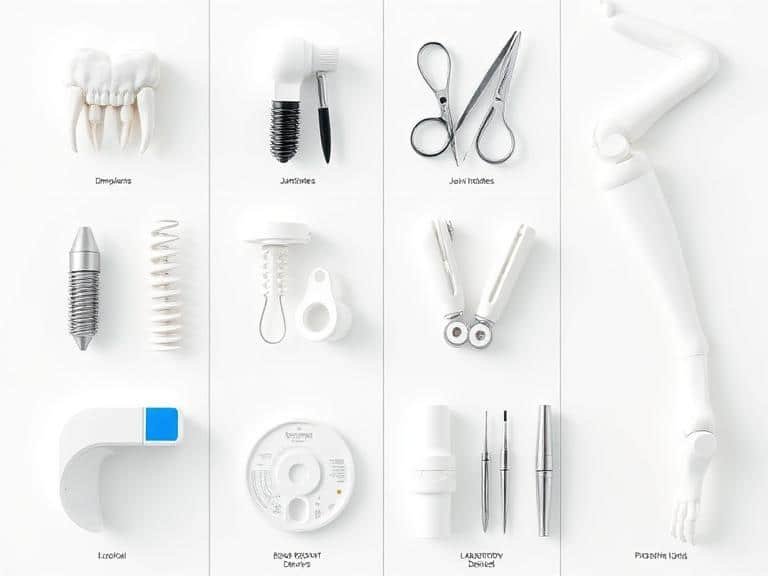
From our experience at JuchangCeramic, engineering bioceramic profiles requires an absolute dedication to structural density and zero-tolerance grain uniformity. High-stress physiological systems, such as joint replacements or surgical fluid pathways, will immediately expose any minor structural flaws, causing micro-chipping or structural failure. Implementing high-purity, laser-vetted ceramic structural configurations preserves surgical margins and avoids biological rejection responses. In this comprehensive engineering guide, we examine eight vital Applications of Alumina Ceramics in Biomedical and Clinical Fields, detail foundational quality verification parameters, and demonstrate how advanced manufacturing integration secures medical infrastructure investments worldwide.
Table of Contents
- 1. Material Physics: High-Purity Alumina and Biocompatibility Mechanics
- 2. In-Depth Engineering Review: 8 Key Applications of Alumina Ceramics
- 3. Comprehensive Sourcing and Technical Configuration Summary Matrix
- 4. Critical Metrology, Sintering Quality, and Verification Benchmarks
- 5. Strategic Scale and Component Integrity: The JuchangCeramic Standard
- 6. Frequently Asked Questions (FAQs)
- 7. Academic and International Clinical References
1. Material Physics: High-Purity Alumina and Biocompatibility Mechanics
To accurately configure severe-service biomedical implants, design engineers must evaluate the complex fluid interactions taking place inside the human body. High-purity alpha-phase alumina features an incredibly stable ionic crystalline grid that resists chemical dissolution from warm, saline cellular fluids. This absolute chemical resistance ensures that the material does not shed toxic metallic ions or initiate chronic inflammation in surrounding tissues, making it an ideal candidate for long-term tissue contact.
We recommend mandating high-density hot-isostatic pressed (HIP) alumina matrices to optimize these physical interfaces. When the ceramic grain structures are pressed tightly together, they achieve a high Vickers hardness score that effectively blocks abrasive scratching from external mineral particles. This uncompromised hardness prevents physical wear patterns, lowers friction metrics, and maintains structural integrity across millions of heavy load cycles, positioning the compound as a premium standard for severe-service clinical hardware components.
2. In-Depth Engineering Review: 8 Key Applications of Alumina Ceramics
The following detailed technical evaluations profile eight primary fields where high-purity alumina ceramics provide vital structural reliability and uncompromised performance within modern clinical medicine.
1. Total Hip Arthroplasty (THA) Femoral Heads and Acetabular Liners
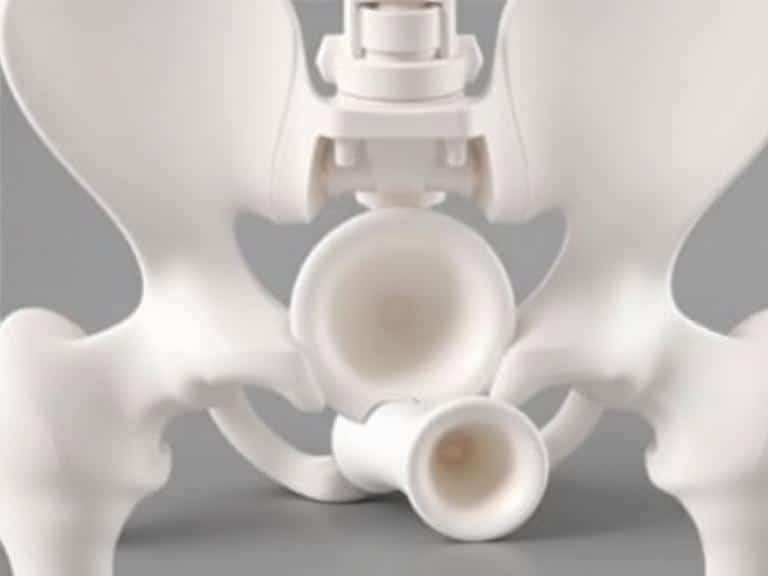
Total hip replacement components operate inside an incredibly punishing friction loop, experiencing heavy continuous weight loads and repetitive movements throughout a patient’s life. Traditional metal-on-polyethylene joint matches suffer from continuous abrasive wear, generating millions of sub-micron plastic debris particles that migrate into surrounding bone tissue, causing osteolysis and dangerous joint loosening.
From our experience, utilizing alumina-on-alumina or alumina-on-highly-crosslinked-polyethylene configurations solves this structural wear challenge completely. The mirror-polished ceramic surface features a natural fluid-loving behavior that attracts a thin film of biological joint fluid, creating superb lubrication. This slick fluid barrier reduces the structural wear index by up to a hundred times compared to metallic alternatives, lowering clinical revision risks and maximizing implant lifecycles for active patients.
2. Dental Implants, Abutments, and Translucent Endodontic Posts
The oral environment presents extreme challenges to material stability, facing continuous pH swings from acidic foods, intensive bacterial environments, and sudden multi-directional biting forces. Metallic dental components can slowly leach nickel or chrome ions into gingival tissues, leading to soft-tissue recession and dark metal shadows along the gumline that ruin cosmetic smiles.
High-purity alumina ceramics provide a highly aesthetic, completely biocompatible alternative that merges high structural strength with natural tooth translucency. Ceramic abutments allow for excellent soft-tissue integration, creating a tight cellular seal that blocks bacterial infiltration into the underlying jawbone. This strong integration lowers the incidence of peri-implantitis and ensures long-term implant anchorage under continuous biting stresses.
3. High-Precision Surgical Liquid Metering Pumps and Dosing Plungers
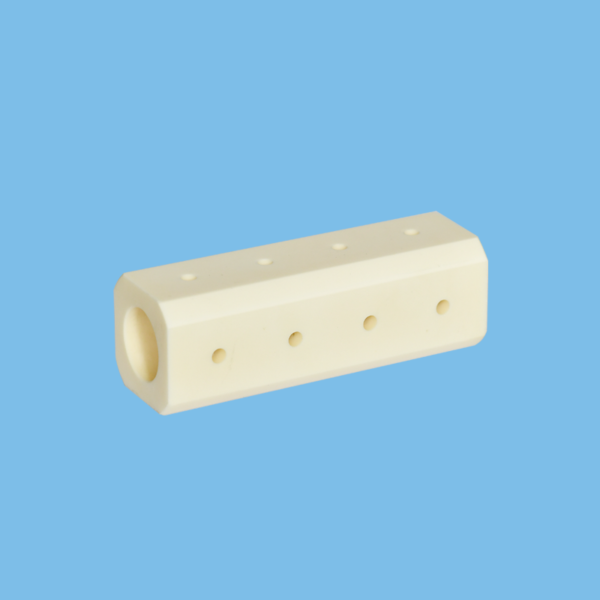
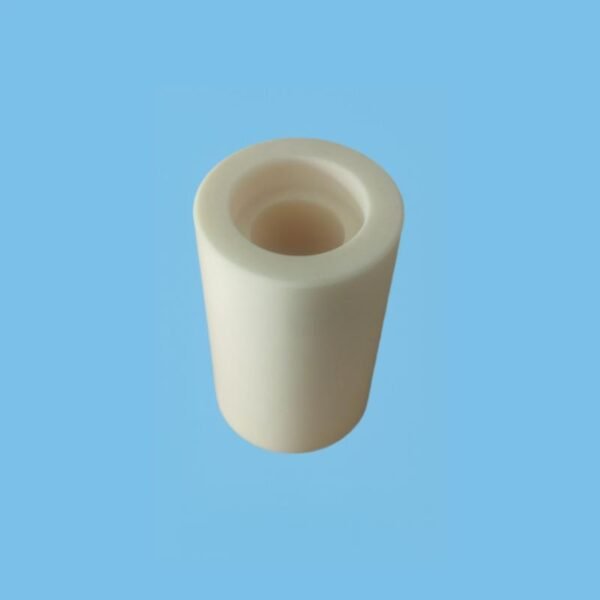
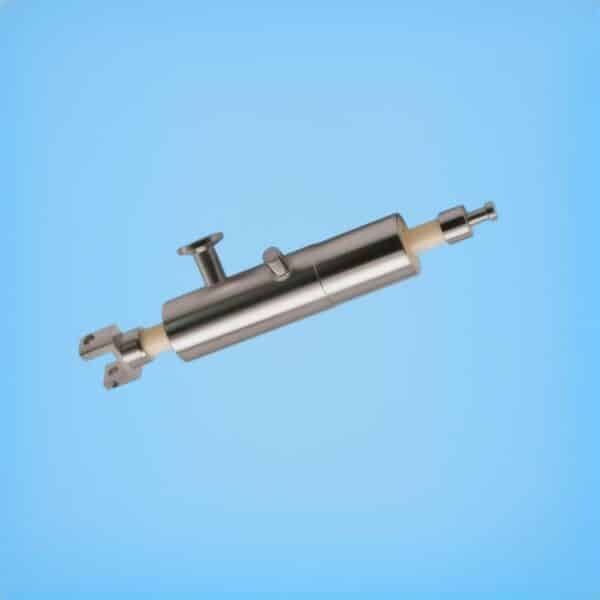
Modern clinical processing, automated drug delivery, and diagnostic laboratory machines rely on delivering accurate fluid micro-volumes without chemical cross-contamination. Traditional stainless steel pump components can pit or corrode when exposed to harsh saline solutions, biological reagents, or aggressive sanitizing acids, introducing trace particulate contamination into pure sample streams.
To eliminate this chemical migration risk, top healthcare engineering groups source advanced components from a trusted ceramic pump parts manufacturer to construct their internal fluid loops. Precision-ground alumina pistons feature near-zero dimensional clearances within matching ceramic cylinders, ensuring accurate, drip-free fluid displacement. To review exact pricing metrics and evaluate how precision tooling offsets ongoing maintenance costs, engineers can read our extensive ceramic plunger material selection guide.
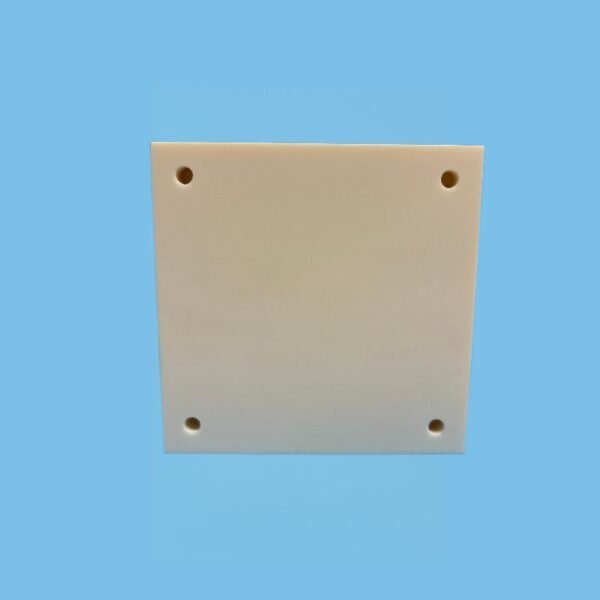
4. In-Vitro Diagnostic Equipment Components and Wear Plates
Automated high-throughput blood analyzers and clinical screening arrays operate at high speeds, using automated mechanical arms to shift delicate fluid samples across diagnostic grids. The contact interfaces and track plates experience continuous abrasive sliding wear, requiring materials that resist physical scraping to maintain system calibration accuracy.
Integrating high-purity alumina wear plates into diagnostic assemblies guarantees long-term dimensional stability and low maintenance downtime. The material’s exceptional hardness resists micro-scratching from loose glass fragments or accidental mechanical misalignments, keeping diagnostic sensors perfectly aligned. For a wider perspective on how specialized technical minerals optimize modern production lines, asset managers can read our comprehensive manual on advanced industrial ceramics applications.
5. Cochlear Implant Enclosures and Internal Electronic Hermetic Shields
Internal hearing prosthetics and neuro-stimulation devices contain complex micro-electronic packages that must remain fully operational inside warm, conductive body fluids for decades. If moisture or sodium ions pass through the protective outer shield, the internal electronics will short-circuit instantly, requiring surgical removal of the device.
Alumina ceramics provide an exceptional hermetic barrier that insulates sensitive micro-electronics from fluid ingress while allowing high-frequency wireless signals to pass through cleanly. The diamond-ground ceramic joint borders can be brazed securely to gold or titanium ring connectors, creating a tight seal that safeguards internal circuits from fluid damage and protects the user’s neurological pathways.
6. Cardiovascular Pacemaker Insulators and Feedthrough Terminals
Cardiac pacemakers must deliver precise, continuous electrical pulses to the heart muscle without suffering voltage leakage or structural degradation. The feedthrough terminals where the electrical leads pass out of the titanium battery case require total electrical insulation paired with high mechanical strength to prevent fluid leaks.
High-density alumina rings function as the absolute engineering benchmark for these critical feedthrough junctions. The material’s high dielectric strength prevents power leakage, ensuring stimulation current travels safely down the intended path. To analyze how technical ceramic insulation layers protect sensitive automated controls under demanding conditions, procurement managers can browse our reviews covering the best ceramic insulators for industrial use.
7. Lithotripter Shockwave Guides and Endoscopic Laser Alignment Tubes
Extracorporeal shockwave lithotripsy utilizes focused, high-energy acoustic pulses to shatter internal kidney stones without surgery. The internal acoustic waveguides and matching laser tubes experience severe acoustic vibrations and extreme flash temperatures during energy transmission, requiring exceptional thermal stability.
Alumina tubes manage these heavy thermal stresses easily, maintaining straight alignment paths without suffering structural warping or internal micro-fracturing. For medical engineering teams looking to design high-power laser optics or secure reliable structural guidance parts for high-heat medical devices, we suggest checking our comprehensive data breakdown focused on ceramic tube applications in high heat environments.
8. Centrifugal Blood Pump Bearings for Artificial Hearts and Ventricular Assist Devices (VADs)
Continuous-flow ventricular assist systems must pump delicate blood cells 24 hours a day without introducing mechanical mechanical heat or causing blood clot formation. Traditional metal roller bearings create friction points that heat up local tissue and crush fragile red blood cells, introducing serious medical complications for the patient.
We recommend implementing fluid-suspended alumina pivot bearings for high-vibration blood pump impellers. The exceptional smooth finish of polished alumina minimizes frictional heat generation, while its high hardness keeps the bearing geometry perfectly stable across years of non-stop operation. To review the complete physics of friction reduction and understand how technical ceramic components protect delicate fluid tracking lines, engineers can explore our strategic brief detailing the benefits of ceramic bearings.
3. Comprehensive Sourcing and Technical Configuration Summary Matrix
To help biomedical procurement directors, surgical device designers, and laboratory equipment managers select the appropriate structural components, the following responsive matrix table summarizes the eight primary Applications of Alumina Ceramics in Biomedical and Clinical Fields.
| Biomedical Application | Required Alumina Purity | Primary Physical Property Multiplier | Core Clinical Safety Advantage |
|---|---|---|---|
| 1. Joint Heads & Liners | >99.9% α-Phase Al2O3 | Extreme Vickers hardness & fluid wetting | Eliminates osteolysis debris; extends joint lifecycles |
| 2. Dental Abutments & Implants | >99.5% Submicron Grade | Natural light translucency & high flex strength | Prevents gingival recession & ion leaching colors |
| 3. Fluid Metering Plungers | >99.7% Precision Ground | Zero-clearance chemical inertness | Eliminates reagent cross-contamination risk |
| 4. Diagnostic Wear Plates | >99.2% Sintered Stock | Exceptional abrasion & scratch resistance | Maintains high-speed automated track alignment |
| 5. Cochlear Shields | >99.8% Hermetic Dense | Absolute chemical isolation & RF transparency | Safeguards internal micro-electronics from sodium ingress |
| 6. Pacemaker Insulators | >99.5% High Dielectric | Excellent electrical insulation index | Prevents voltage leakage; stabilizes cardiac pulses |
| 7. Laser Guidance Tubes | >99.0% High Refractory | Immense thermal shock & vibration resistance | Maintains optical tracking straightness under heat load |
| 8. Blood Pump Bearings | >99.9% Mirror Polished | Ultra-low friction coefficient metrics | Minimizes operational heat; protects delicate blood cells |
4. Critical Metrology, Sintering Quality, and Verification Benchmarks
Sourcing commercial quantities of technical ceramics for clinical use requires an asset management approach that looks deeper than basic retail pricing points. Because clinical components interface directly with living human tissue and volatile biological fluids, their manufacturing logs must remain fully traceable. Before approving a production run, EHS officers and device designers must verify four critical technical pillars:
- Vickers Hardness and Fracture Toughness Balance: The ceramic compound must demonstrate a minimum hardness rating of HV>1800. This structural resistance ensures that the leading edges of pumps or joint surfaces remain free from microscopic scratching when contacting hard abrasive micro-particles.
- Submicron Grain Size Uniformity: The average grain diameter following full thermal sintering must be tightly controlled under 0.5 microns. Wide variations in grain sizing create weak structural borders that can lead to micro-fracturing under heavy cyclic workloads.
- Absolute Laser Metrology Verification: Fluid metering components and internal bearings require incredibly tight dimensional tolerances under 0.001mm. Utilizing high-resolution laser metrology ensures every part matches your blueprint specifications perfectly, eliminating field leakage.
- Certified Traceable Biocompatibility: Request complete laboratory validation data sheets for all ceramic powders. Sourcing components that carry full international medical safety certifications ensures the material remains entirely non-toxic, safe, and free from trace heavy metal impurities.
5. Strategic Scale and Component Integrity: The JuchangCeramic Standard
While mastering the specific Applications of Alumina Ceramics in Biomedical and Clinical Fields is essential for proper medical device design, translating those concepts into a reliable physical space relies on a master manufacturing partner. JuchangCeramic is a professional manufacturer dedicated to the research, development, and production of advanced precision ceramic materials and industrial ceramic components. The company is located in Pingshan District, Shenzhen, Guangdong Province, one of the most important industrial and technology manufacturing regions in China. Our state-of-the-art facility utilizes computerized computer-guided milling centers and advanced hot-isostatic sintering ovens to deliver outstanding part reliability.
By controlling our raw material procurement and maintaining absolute manufacturing traceability under certified ISO guidelines, we ensure our structural ceramics match the tight tolerances required by international medical equipment developers. Sourcing directly from our centralized manufacturing lines eliminates intermediate retail markups, shortens project engineering lead times, and guarantees reliable part performance to secure your global biomedical investments.
6. Frequently Asked Questions (FAQs)
What are the primary Applications of Alumina Ceramics in Biomedical and Clinical Fields today?
Alumina is heavily utilized to construct total hip replacement joint heads, biocompatible dental abutments, high-precision surgical fluid metering plungers, diagnostic equipment wear plates, hermetic shields for cochlear implants, pacemaker electrical feedthrough rings, laser alignment tubes, and low-friction blood pump bearings.
Why does high-purity alumina outperform traditional titanium alloys for joint replacement heads?
While titanium is highly ductile, its surface can suffer scratch wear over time, throwing off metallic micro-debris that triggers bone tissue loss. Alumina features an ultra-hard surface that resists scratching, paired with a natural fluid-loving behavior that attracts joint fluids to lower friction and prevent wear.
Can high-purity alumina ceramics handle sudden temperature spikes in surgical laser devices?
Yes. High-purity alumina possesses excellent refractory properties and an immense thermal shock resistance threshold, allowing it to maintain its dimensional shapes and straight tracking alignment profiles without micro-fracturing during continuous laser firing cycles.
How do zero-clearance ceramic pump plungers reduce data errors in automated blood analyzers?
Precision-ground alumina plungers operate with dimensional tolerances under 0.001mm inside matching ceramic sleeves. This tight, non-porous seal prevents liquid slippage or fluid drift, ensuring accurate sample volume displacement while its total chemical inertness eliminates sample contamination risks.
7. Academic and International Clinical References
1. International Organization for Standardization. (2021). Implants for surgery — Ceramic materials — Part 1: Ceramic materials based on high-purity alumina (ISO Standard No. 6474-1:2019). Geneva, Switzerland. Available via the official repository at https://www.iso.org/)
2. Journal of the Mechanical Behavior of Biomedical Materials. (2024). Tribological Evaluations, Submicron Grain Sintering, and Long-Term Hydrothermal Stability of Dense Al2O3 Matrice Vectors in Total Joint Prosthetics. Bioceramics Research Portfolio.
3. Food and Drug Administration (FDA). (2025). Guidance Document for Sourcing and Manufacturing Traceability Verification Profiles of Technical Ceramic Components within Continuous-Use Clinical Processing Devices. Federal Regulatory Reference Database.