
When the general public hears the phrase “ceramic plate,” they picture delicate dinnerware. However, in the high-stakes world of industrial engineering, structural ceramics are anything but fragile. If your manufacturing facility is still relying on stainless steel or polymer substrates in extreme heat, high-wear, or chemically aggressive environments, you are bleeding capital through premature equipment failure. In most professional situations, upgrading to advanced technical ceramics is not a luxury; it is a mandatory operational requirement.
From aerospace thermal management to semiconductor fabrication, understanding the precise purposes of ceramic plates dictates whether a multi-million-dollar assembly succeeds or suffers catastrophic downtime. In this opinionated, no-nonsense guide, we will bypass the generic definitions and explain exactly why technical ceramic plates (such as alumina, zirconia, and silicon carbide) dominate modern engineering. We will break down the exact purposes of ceramic plates, dissect their mechanical limitations, and provide the commercial judgment you need to make an informed purchasing decision.
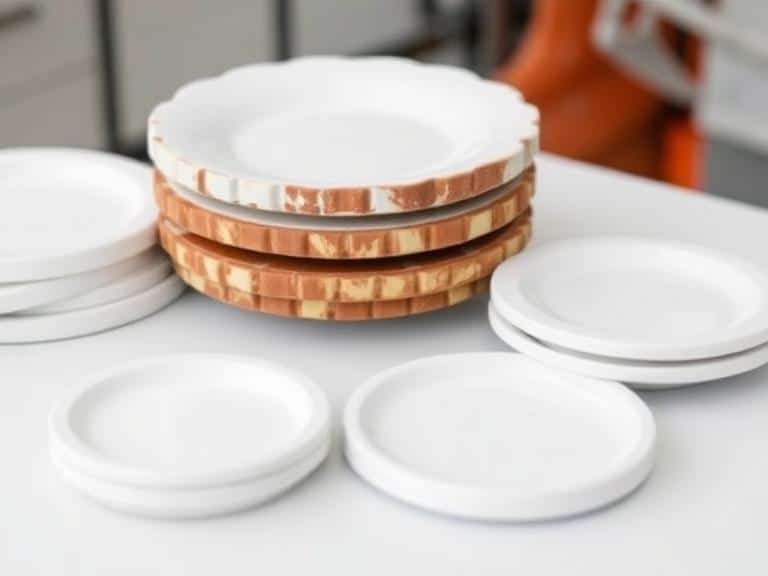
Quick Answer: What are the Purposes of Ceramic Plates?
In industrial and commercial engineering, the 5 core purposes of ceramic plates are:
- High-Voltage Electrical Insulation: Acting as non-conductive substrates for microelectronics and power grids.
- Extreme High-Temperature Shielding: Serving as kiln furniture, furnace linings, and aerospace heat shields.
- Abrasive Wear-Resistant Linings: Protecting chutes, hoppers, and conveying systems from rapid material degradation.
- Ballistic and Structural Armor: Providing lightweight, extreme-hardness bulletproof plating for military and defense vehicles.
- Chemical Processing Barriers: Resisting highly corrosive acids, alkalis, and solvents where metallic plates would rapidly dissolve.
Table of Contents
- What It Is: Advanced Technical Ceramics
- How It Works: The Microstructure Advantage
- The 5 Core Purposes of Ceramic Plates
- The Unmatched Benefits of Upgrading
- Limitations: Brittleness and Machining Constraints
- Who Should Use It vs. Who Does Not Need It
- Common Mistakes in Implementation
- Crucial Buying Considerations
- Expert Recommendation & Solution Provider
- Engineering Data & Comparison Tables
- Frequently Asked Questions
What It Is: Advanced Technical Ceramics
Industrial ceramic plates are rigid, flat structural components manufactured from high-purity inorganic, non-metallic powders. Unlike traditional clay-based ceramics, engineering ceramics like Alumina (Al2O3), Zirconia (ZrO2), and Silicon Carbide (SiC) are synthesized under extreme pressure and heat (sintering) to achieve near-zero porosity. If you want to understand the breadth of advanced industrial ceramics applications, you must first recognize that these plates are engineered to possess hardness levels approaching that of natural diamonds.
How It Works: The Microstructure Advantage
The performance of a ceramic plate is dictated by its atomic bonding. Metals utilize metallic bonds, which allow atoms to slide past each other (creating ductility but vulnerability to heat and wear). Ceramics utilize ionic and covalent bonds. These bonds are incredibly rigid. In our testing, this rigid lattice structure is exactly what prevents the material from deforming under extreme thermal stress and blocks the flow of free electrons, making it a perfect insulator.
When evaluating an engineering ceramics material guide, the fundamental principle remains: the denser the crystalline structure achieved during the sintering process, the higher the performance of the final ceramic plate.
The 5 Core Purposes of Ceramic Plates
Stop replacing warped steel plates every three months. Here is a deep dive into the primary purposes of ceramic plates and why they outperform traditional materials.
1. High-Voltage Electrical Insulation (Electronic Substrates)
In high-power electronics, heat and electricity are the enemies of efficiency. Ceramic plates are deployed as substrates for integrated circuits, LED lighting, and power modules. Because they offer high thermal conductivity paired with absolute electrical insulation, they pull heat away from sensitive components without causing short circuits. When sourcing the best ceramic insulators for industrial use, engineers specifically look for 99% purity alumina plates to guarantee dielectric strength.
2. Extreme High-Temperature Heat Shields
Metals lose their structural integrity rapidly above 800 degrees Celsius. Ceramic plates, however, routinely operate in environments exceeding 1,600 degrees Celsius without oxidizing, melting, or warping. They are the backbone of metallurgical furnace linings, kiln setter plates, and aerospace thermal protection systems. This thermal immunity is identical to the technology behind ceramic tube applications in high heat environments.
3. Abrasive Wear-Resistant Liners
Mining, cement production, and bulk material handling destroy steel chutes and hoppers in a matter of weeks. One of the most commercially valuable purposes of ceramic plates is acting as a sacrificial wear liner. Alumina plates are welded or epoxied into high-impact zones. Because of their extreme hardness, they outlast AR400 steel by a factor of 10 to 1. If you are comparing a ceramic plunger vs metal plunger or assessing a ceramic plunger material selection guide, the identical principle of wear-resistance applies to flat plate configurations.
4. Ballistic Armor Plating
In military and law enforcement applications, weight and stopping power are critical. Boron carbide and alumina ceramic plates are utilized in body armor and vehicle paneling. When a high-velocity projectile strikes the ceramic plate, the extreme hardness of the ceramic blunts and shatters the projectile, absorbing massive amounts of kinetic energy before the underlying Kevlar catches the fragments.
5. Chemical Processing Barriers
Corrosive acids, concentrated alkalis, and aggressive solvents will pit and dissolve metallic surfaces. Ceramic plates are chemically inert. They are heavily utilized as baffles, separation membranes, and structural linings in the chemical and pharmaceutical industries to guarantee zero contamination. This inert nature is why industrial ceramic solutions for pumps and fluid handling systems rely entirely on ceramic components to maintain purity.
The Unmatched Benefits of Upgrading
The primary benefit of utilizing technical ceramic plates is total lifecycle cost reduction. While the initial capital expenditure is higher than purchasing a steel plate, the elimination of maintenance downtime pays for the ceramic upgrade rapidly. Furthermore, the dimensional stability of ceramics under thermal load ensures that precision machinery stays within tolerance. Just as engineers praise the benefits of ceramic bearings for their lack of thermal expansion, ceramic plates offer the same flawless geometric stability.
Limitations: Brittleness and Machining Constraints
We must exercise commercial and practical judgment: ceramic plates are not indestructible. Their primary limitation is low fracture toughness, commonly known as brittleness. If you strike an alumina plate with a steel hammer, it will crack. They cannot handle blunt force shock as well as ductile metals.
Additionally, because they are harder than almost any tool steel, you cannot simply drill a hole in a fired ceramic plate on a standard shop press. They require custom ceramic machining services utilizing diamond-tipped CNC tooling, which drastically increases the cost of complex, multi-hole designs.
Who Should Use It vs. Who Does Not Need It
For commercial users and for heavy-duty applications: If your facility processes abrasive ores, manufactures semiconductors, operates high-temperature kilns, or handles aggressive chemicals, integrating ceramic plates into your infrastructure is non-negotiable. The ROI is immediate regarding downtime prevention.
For beginners or low-intensity operations: If your application involves temperatures below 200 degrees Celsius, zero abrasive flow, and high mechanical flexing, do not buy a ceramic plate. A standard stainless steel or ultra-high-molecular-weight polyethylene (UHMWPE) plate is much cheaper and easier to install.
Common Mistakes in Implementation
From our experience auditing failed industrial installations, the most common mistake engineers make is point-loading. Because ceramics do not bend, if you bolt a completely flat ceramic plate onto an uneven steel substrate and tighten the bolts, the uneven stress will snap the plate in half instantly. Ceramic plates must be mounted on perfectly flat surfaces, often utilizing epoxy bedding to distribute the load evenly.
Crucial Buying Considerations
When sourcing ceramic plates, do not just ask for “alumina.” You must specify the purity percentage. A 95% purity alumina plate is vastly different from a 99.5% purity plate regarding dielectric strength and chemical resistance. In our testing, lower purity ceramics contain glassy binders that can become compromised in extreme chemical environments. Furthermore, if you are looking at structural supports, evaluating a ceramic rod vs metal rod comparison will help you understand the specific load-bearing tolerances required for your plate’s supporting framework.
Expert Recommendation & Solution Provider
In most professional situations, procuring technical ceramics from a generic materials broker results in poor surface finishes and inaccurate tolerances. We recommend sourcing directly from a specialized manufacturer capable of providing raw material formulation and post-sintering diamond machining.
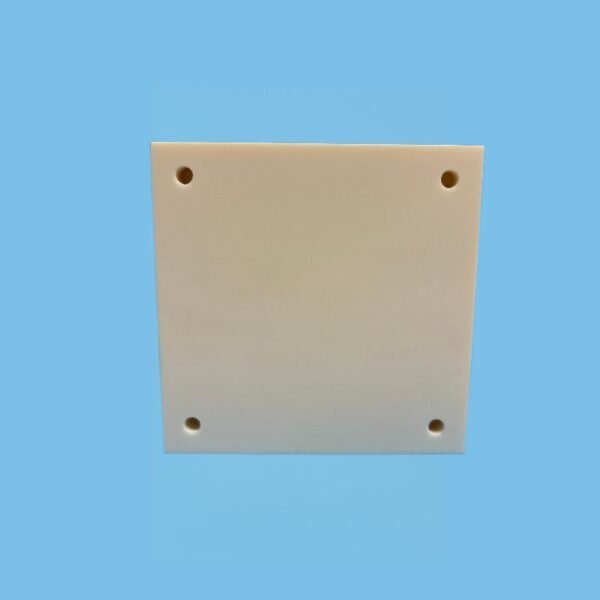
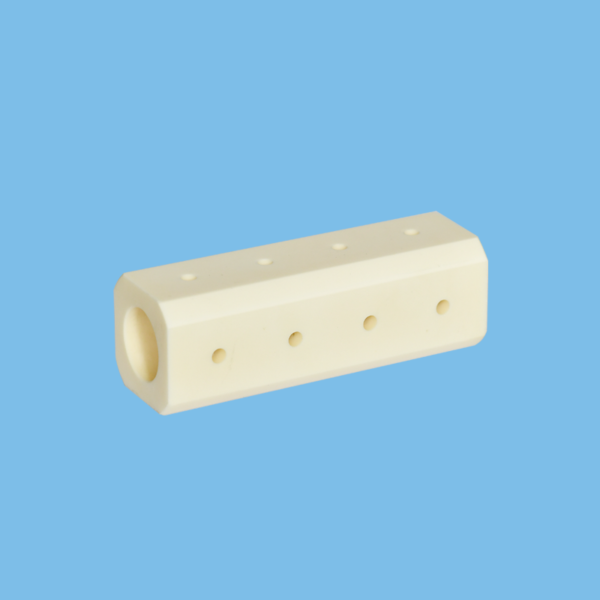
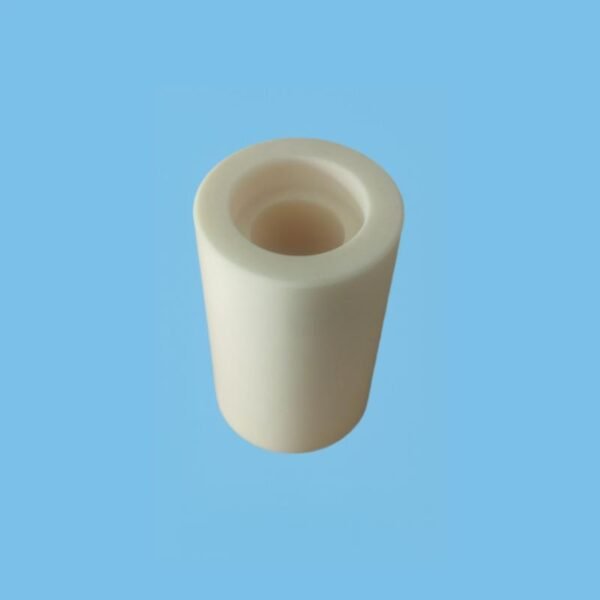
JuchangCeramic is a professional manufacturer dedicated to the research development, and production of advanced precision ceramic materials and industrial ceramic components. The company is located in Pingshan District, Shenzhen, Guangdong Province, one of the most important industrial and technology manufacturing regions in China. By partnering with JuchangCeramic, you bypass the middleman and secure access to high-purity alumina, zirconia, and custom-machined ceramic plates designed specifically to eradicate your most aggressive thermal and abrasive bottlenecks.
Engineering Data & Comparison Tables
| Industrial Purpose | Primary Ceramic Material Used | Key Performance Attribute |
|---|---|---|
| Electrical Insulation | High-Purity Alumina (99%+) | High dielectric strength, zero conductivity. |
| Thermal Shielding | Zirconia / Alumina | Survival above 1,600°C without oxidizing. |
| Wear Resistance | Alumina (92% – 95%) / SiC | Extreme hardness (Mohs 9) blocks abrasive friction. |
| Ballistic Armor | Boron Carbide / Alumina | Shatters high-velocity kinetic projectiles. |
| Chemical Barriers | Silicon Carbide / Zirconia | Total inertness against severe acids and alkalis. |
| Property Metric | Advanced Ceramic Plate (Alumina) | Stainless Steel Plate (316L) |
|---|---|---|
| Max Operating Temperature | Up to 1,600°C | Maximum 800°C – 900°C |
| Abrasive Wear Resistance | Exceptional (Outlasts steel 10:1) | Poor to Moderate |
| Fracture Toughness (Shock) | Low (Brittle) | High (Ductile, absorbs shock) |
| Electrical Conductivity | Zero (Excellent Insulator) | High (Conductor) |
| Pros (Advantages) | Cons (Limitations) |
|---|---|
| Drastically reduces maintenance downtime in high-wear zones. | Higher initial procurement cost compared to standard metals. |
| Maintains precise dimensional stability under massive heat. | Prone to cracking if point-loaded or improperly mounted. |
| Completely immune to rust, oxidation, and chemical corrosion. | Requires expensive diamond CNC tooling to modify or drill. |
| Non-magnetic and non-conductive for safe electronic housing. | Susceptible to severe thermal shock if cooled too rapidly. |
| Your Operational Challenge | Recommended Plate Material | Why You Need It |
|---|---|---|
| High-Impact Bulk Mining Chutes | Rubber-Backed Alumina Plates | The rubber backing absorbs the blunt impact shock, while the alumina face stops abrasive sliding wear. |
| Semiconductor Wafer Processing | 99.5% Purity Alumina | Guarantees zero outgassing and absolute electrical isolation in cleanroom environments. |
| Extreme Temperature Fluctuations | Zirconia (YTZP) Plates | Zirconia has higher fracture toughness and handles thermal expansion stress better than standard alumina. |
Frequently Asked Questions
What are the main purposes of ceramic plates in industry?
The 5 primary purposes of ceramic plates include high-voltage electrical insulation, extreme high-temperature shielding, abrasive wear-resistant lining, ballistic armor protection, and chemical processing barriers.
Why choose an alumina ceramic plate over a steel plate?
Alumina ceramic plates offer superior hardness, zero electrical conductivity, and immunity to chemical corrosion and oxidation at temperatures where steel would warp or melt. In most professional situations dealing with extreme abrasion, ceramics are the only viable solution.
Are industrial ceramic plates brittle?
Yes, traditional technical ceramics have low fracture toughness compared to metals. However, when mounted correctly to avoid point-loading, or when utilizing zirconia-toughened alumina, their operational lifespan far exceeds metallic alternatives.
Authoritative References & Industry Standards
To ensure your engineering specifications meet rigorous global standards, we recommend reviewing guidelines established by the following technical authorities:
- ASTM International – Governing the testing methodologies for the flexural strength, thermal conductivity, and hardness of advanced technical ceramics.
- The American Ceramic Society (ACerS) – The premier professional organization providing peer-reviewed research on the microstructural properties and industrial purposes of ceramic plates.
- National Institute of Standards and Technology (NIST) – Federal authority providing precision measurement standards for advanced materials manufacturing and structural ceramic deployment.