
Manufacturing is hitting a hard wall with traditional metals. When operational temperatures exceed 1,000°C, or when highly abrasive chemical slurries strip the lifecycle of a steel pump plunger down to mere weeks, engineering managers are forced to seek superior materials. This is where advanced industrial ceramics enter the equation. If you are experiencing constant equipment failure and downtime, transitioning to custom ceramic parts is not just an upgrade; it is a fundamental shift in operational reliability.
At JuchangCeramic, located in the industrial technology hub of Pingshan District, Shenzhen, we specialize in the research, development, and production of advanced precision ceramic materials. We witness firsthand how procurement teams struggle to source high-tolerance, wear-resistant components. The gap between requesting a ceramic component and successfully deploying it is fraught with material misunderstandings and design flaws.
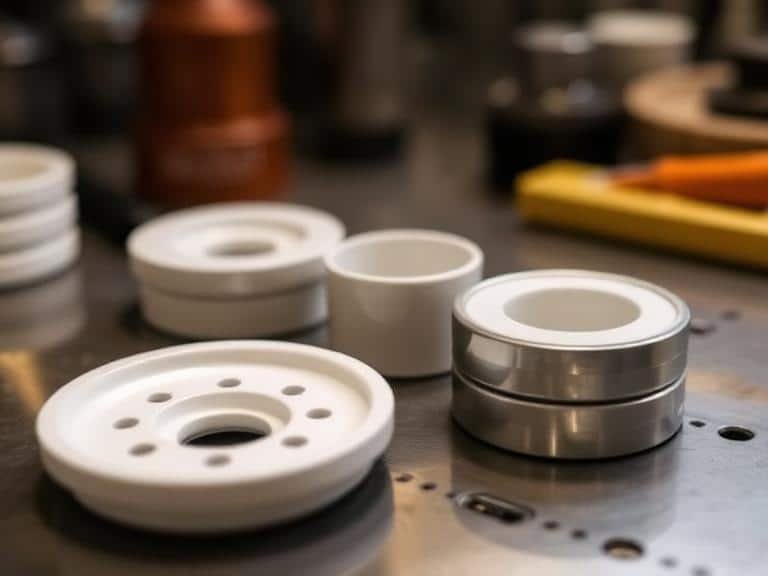
In this guide, we take a definitive stance on how to correctly procure and manufacture custom ceramic parts. We will strip away the academic jargon and provide a commercial, practical roadmap. We will explain not only the 5 critical steps of production but also whether investing in advanced ceramics is actually worth the premium for your specific application.
Quick Answer: The 5 Steps to Custom Ceramic Parts
In most professional situations, transforming a raw concept into a high-precision custom ceramic component follows a rigid, five-step manufacturing protocol:
- Material Selection: Choosing between Alumina, Zirconia, Silicon Carbide, or Silicon Nitride based on thermal, mechanical, and chemical requirements.
- Design Optimization: Adjusting CAD files to account for the 15% to 25% shrinkage that occurs during the high-temperature firing process.
- Green Body Forming: Shaping the raw ceramic powder using Dry Pressing, Isostatic Pressing, or Ceramic Injection Molding (CIM).
- Sintering: Firing the “green” part at temperatures exceeding 1,500°C to achieve full densification and hardness.
- Precision Machining: Using diamond-tipped tools to grind and lap the sintered ceramic to sub-micron tolerances.
Table of Contents
- What Are Custom Ceramic Parts & How Do They Work?
- Step 1: Application-Specific Material Selection
- Step 2: Design and Shrinkage Optimization
- Step 3: Green Body Forming Techniques
- Step 4: High-Temperature Sintering
- Step 5: Precision Diamond Grinding
- Benefits vs. Limitations
- Who Should Use Them (And Who Shouldn’t)
- Buying Considerations & Common Mistakes
- Expert Recommendation
- Frequently Asked Questions
What Are Custom Ceramic Parts & How Do They Work?
Custom ceramic parts are engineered components manufactured from highly refined, synthetic non-metallic powders. Unlike traditional pottery clay, advanced technical ceramics—such as alumina (aluminum oxide) and zirconia (zirconium dioxide)—are synthesized at the microscopic level to eliminate impurities.
How it works is rooted in their atomic structure. Advanced ceramics feature covalent and ionic bonds that are vastly stronger than the metallic bonds found in steel or titanium. This atomic rigidity results in exceptional hardness, making them virtually immune to abrasive wear, chemical corrosion, and extreme heat. By tailoring the manufacturing process, a wear resistant ceramic parts supplier can produce components that outlast traditional metal parts by a factor of ten.
Step 1: Application-Specific Material Selection
The foundation of any successful project is material chemistry. You cannot specify “just ceramic.” The material must match the operational stress.
From our experience, Alumina (85% to 99.5% purity) is the industry workhorse. It offers a brilliant balance of electrical insulation, high-temperature resistance, and cost-effectiveness. If you want to understand its baseline properties, reviewing what is alumina ceramics is critical for engineers transitioning from steel.
However, if the component will experience mechanical impact or high-pressure bending, we strongly recommend Zirconia (YTZP). Zirconia undergoes “transformation toughening”—a microscopic phase change that stops cracks from propagating. When evaluating zirconia vs alumina ceramic components, zirconia is the premium choice for fracture toughness.
| Ceramic Material | Primary Strength | Ideal Application |
|---|---|---|
| Alumina (Al2O3) | High hardness, excellent electrical insulation, cost-effective. | Pump seals, electrical insulators, wear pads. |
| Zirconia (ZrO2) | High fracture toughness, bending strength, smooth surface finish. | Metering pump plungers, cutting blades, wire forming rollers. |
| Silicon Carbide (SiC) | Extreme hardness, high thermal conductivity, low thermal expansion. | Mechanical seal faces, bulletproof armor, high-temp kilns. |
| Silicon Nitride (Si3N4) | Thermal shock resistance, lightweight, low friction. | Engine components, high-speed bearings. |
Step 2: Design and Shrinkage Optimization
Designing custom ceramic parts is entirely different from CNC machining metal. The most common mistake we see from commercial buyers is submitting a CAD file optimized for stainless steel.
Ceramics shrink by 15% to 25% during the sintering process. A professional manufacturer must enlarge your initial CAD design to accommodate this volumetric reduction. Furthermore, sharp internal corners create severe stress concentrations that will cause the ceramic to fracture during firing. Designs must utilize generous radii and chamfers. If you are developing a fluid control system, consult a ceramic plunger holder design guide to ensure your metal-to-ceramic joining mechanisms accommodate differing thermal expansion rates.
Step 3: Green Body Forming Techniques
Once the material is selected and the design is optimized, the raw ceramic powder is mixed with temporary organic binders and formed into a “green” (unfired) body. The geometry and volume dictate the forming method:
- Dry Pressing: Ideal for simple, flat shapes in high volumes. Powder is compacted in a rigid die under high pressure.
- Isostatic Pressing: Used for elongated parts like ceramic rod applications in manufacturing. Uniform pressure is applied via a fluid bath, ensuring consistent density.
- Ceramic Injection Molding (CIM): For highly complex, intricate geometries. The powder is mixed with polymers and injected into a mold, similar to plastic injection molding.
Step 4: High-Temperature Sintering
The green body is placed into a high-temperature kiln. During sintering, temperatures are slowly ramped up to between 1,400°C and 1,700°C. The organic binders burn off, and the ceramic particles fuse together at an atomic level.
This is where the magic happens. The part shrinks, porosity disappears, and the material achieves its extreme hardness and density. Sintering profiles must be meticulously controlled; a temperature fluctuation of just a few degrees can ruin an entire batch, causing warping or internal cracking.
Step 5: Precision Diamond Grinding
After sintering, the custom ceramic parts are exceptionally hard—only a diamond can cut them. Because the shrinkage during sintering cannot be predicted down to the micron, “as-fired” tolerances are usually +/- 1%.
For heavy-duty applications requiring tight tolerances (like metering pumps), the fired ceramic must undergo precision diamond grinding and lapping. This final step is time-consuming and represents a significant portion of the cost. If you require precision ceramic components for pumps, expect the manufacturer to grind the outer diameter, inner diameter, and surface finish to sub-micron accuracy.
Benefits vs. Limitations
Why undergo this rigorous manufacturing process? Because the advanced industrial ceramics applications prove that these materials solve problems metals simply cannot.
| Benefits | Limitations |
|---|---|
| Extreme Wear Resistance: Outlasts steel by up to 10x in abrasive environments. | Brittleness: Poor resistance to direct, heavy mechanical impact compared to ductile metals. |
| Chemical Inertness: Highly resistant to acids, alkalis, and aggressive solvents. | Upfront Cost: Higher initial tooling and diamond machining costs. |
| Thermal Stability: Maintains strength and shape at temperatures exceeding 1,000°C. | Design Constraints: Cannot be easily threaded; requires specific metal-to-ceramic bonding strategies. |
| Electrical Insulation: Excellent dielectric properties for high-voltage applications. | Lead Times: Slower prototyping phase due to mold creation and firing schedules. |
Who Should Use Them (And Who Doesn’t Need Them)
For commercial users and heavy-duty applications: If you operate fluid metering pumps, chemical processing plants, or semiconductor manufacturing equipment, custom ceramic parts are mandatory. The downtime costs associated with replacing metal parts far exceed the initial premium of ceramics. We heavily recommend exploring ceramic plunger pump components overview if your liquid handling systems are suffering from premature seal failure.
Who does not need it: For beginners or low-stress consumer applications where temperatures are stable and abrasive wear is non-existent, stick to stainless steel, aluminum, or engineering plastics. If your component is subjected to heavy, blunt-force impacts (like a hammer strike), ceramics will shatter. In those specific scenarios, advanced ceramics are not worth buying.
Buying Considerations & Common Mistakes
When you are ready to procure custom ceramic parts, you must align your budget with your tolerance requirements. In our testing, the biggest mistake buyers make is over-tolerancing. If you demand a +/- 0.005mm tolerance on a surface that doesn’t actually mate with another component, you are paying for hours of unnecessary diamond grinding.
Consider the total cost of ownership. Review a reliable ceramic plunger price guide 2026 to understand how volume dictates unit cost. Isostatic pressing molds are expensive upfront, but if you are ordering 5,000 units, the price per piece drops dramatically.
| Factor | Actionable Advice |
|---|---|
| Tolerances | Specify “as-fired” tolerances where possible to save 30% to 50% on grinding costs. |
| Surface Finish | Only request mirror polishing (Ra 0.1) for sealing surfaces or bearings. Evaluate the benefits of ceramic bearings to see where polish matters. |
| Supplier Capability | Ensure the manufacturer handles powder prep, firing, and diamond grinding in-house to control quality. |
Expert Recommendation
From our experience at JuchangCeramic: Do not treat custom ceramic parts as a 1:1 drop-in replacement for metal. To unlock their true commercial value, you must design the component specifically for ceramic manufacturing from day one.
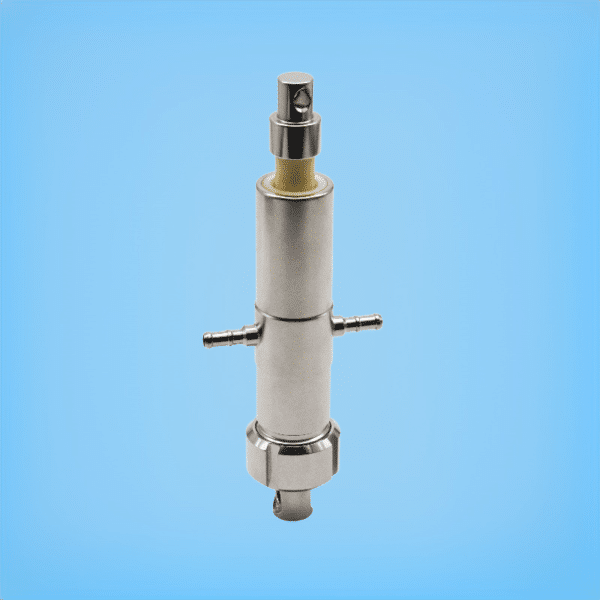
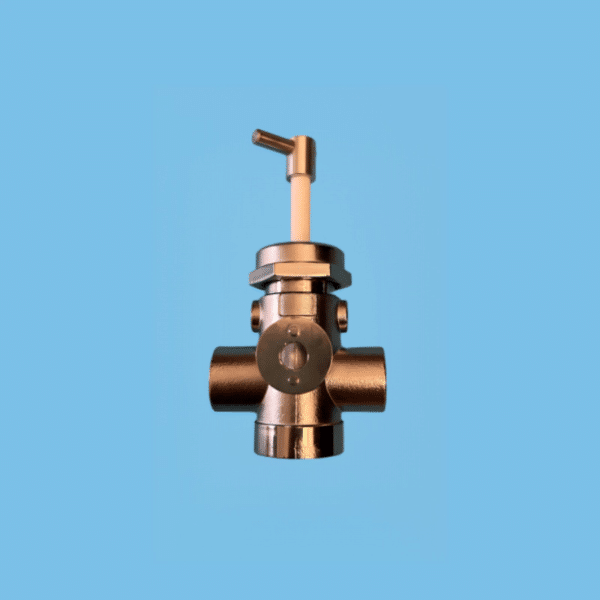
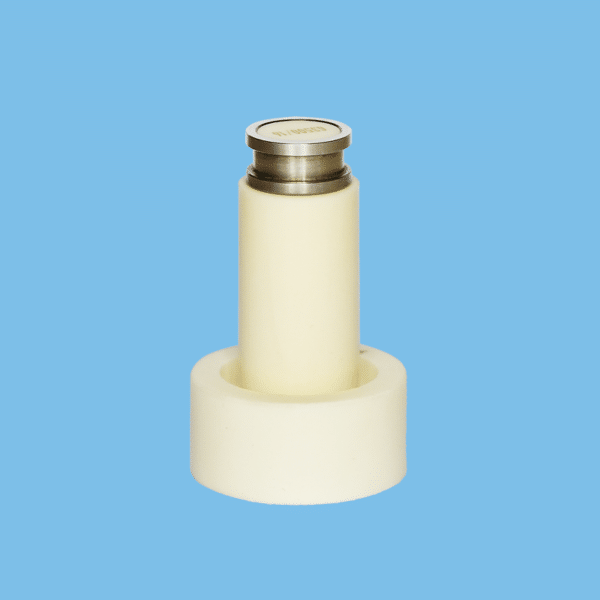
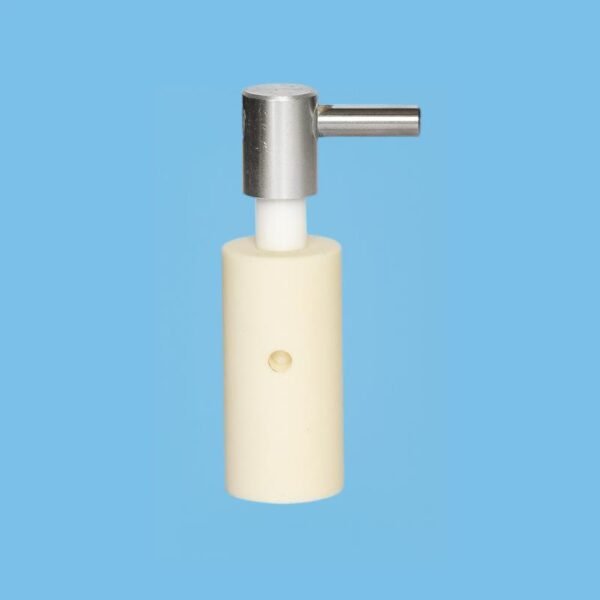
We recommend engaging with a dedicated ceramic pump parts manufacturer early in your engineering phase. By leveraging our production facility in Shenzhen, we can help you select the exact grade of zirconia or alumina, eliminate unnecessary tight tolerances, and deliver a component that drastically reduces your operational downtime.
Frequently Asked Questions (FAQ)
What are custom ceramic parts used for?
Custom ceramic parts are utilized in extreme industrial environments where metals fail. They are primarily used for wear-resistant components like pump plungers, high-temperature insulators, and chemical-resistant valves.
Is it expensive to manufacture custom ceramic parts?
The initial tooling and diamond grinding make the upfront cost higher than metal machining. However, because advanced ceramics outlast steel by up to 10 times, the total cost of ownership is significantly lower for commercial users.
How long does it take to produce custom ceramic parts?
In most professional situations, prototyping takes 3 to 5 weeks due to mold creation and firing schedules. Full-scale production typically runs on a 4 to 6-week lead time depending on the volume and precision grinding required.
Authoritative Industry References
To further support your engineering decisions, we recommend consulting the following authoritative sources on advanced ceramic materials:
- The American Ceramic Society (ACerS) – The premier global organization for the advancement of ceramic manufacturing and engineering data.
- National Institute of Standards and Technology (NIST) – Providing rigorous property data and testing standards for advanced industrial ceramics.
- Ceramics International (ScienceDirect) – Leading peer-reviewed journal publishing the latest research on ceramic synthesis, sintering, and mechanical performance.