
The sport fishing industry is notorious for aggressive marketing claims regarding casting distance and reel performance. When tournament anglers and weekend enthusiasts experience reduced spool speeds, obnoxious grinding noises, or seized components after a saltwater trip, they inevitably look to upgrade their stock stainless steel bearings. However, purchasing the Best ceramic bearings for fishing reels requires technical discernment, not just buying the most expensive orange-sealed option available. Upgrading to ceramics is a structural engineering decision that fundamentally alters the rotational mass and friction coefficient of your reel spool.
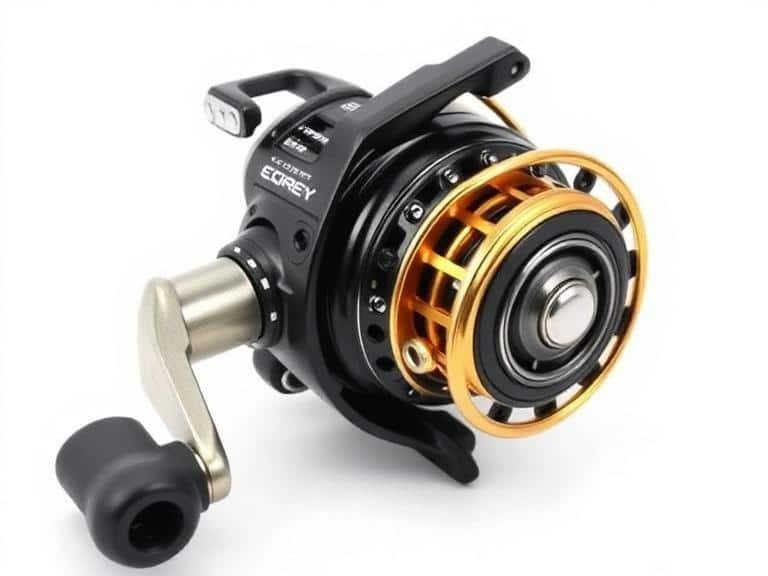
From our experience engineering advanced technical ceramics for aerospace and fluid management systems at JuchangCeramic, we recognize exactly why traditional steel bearings fail in aquatic environments. Water intrusion emulsifies standard grease, leading to rapid oxidation (rust) and microscopic pitting on the steel raceways. In this comprehensive guide, we will bypass the generic marketing rhetoric to explain the material science behind ceramic hybrids, detail the five premier bearing configurations, and provide commercial judgment on whether upgrading your specific fishing reel is financially and functionally justified.
Quick Answer: The Top Recommendations
If you need to make an immediate purchasing decision, the Best ceramic bearings for fishing reels depend entirely on your target environment and lure weight. Based on our material analysis, here are the core recommendations:
- For Maximum Casting Distance (Baitcasters): Silicon Nitride (Si3N4) ABEC-7 Hybrid Ceramic Bearings. These offer the lowest startup inertia, allowing light lures to fly further with less effort.
- For Severe Saltwater Environments: Zirconia (ZrO2) Full Ceramic Bearings. Because they contain zero steel components, they cannot rust under any circumstances.
- For Bait Finesse Systems (BFS): Unshielded Micro-Ceramic Hybrids run dry (no oil) for zero fluid drag.
In most professional situations, we recommend Si3N4 Hybrid Bearings as the optimal upgrade. They provide 80% of the benefits of full ceramics at a fraction of the cost, dramatically improving spool startup speed while resisting corrosion.
Table of Contents
- What Are Ceramic Fishing Reel Bearings?
- How Ceramic Bearings Increase Casting Distance
- The 5 Best Ceramic Bearings for Fishing Reels
- Commercial and Practical Benefits
- Limitations and Hard Truths
- Who Should Upgrade
- Who Does Not Need Them
- Common Installation Mistakes
- Expert Buying Considerations
- Summary and Comparison Tables
- Expert Recommendation: JuchangCeramic
- Frequently Asked Questions (FAQ)
What Are Ceramic Fishing Reel Bearings?
When the fishing industry discusses ceramic upgrades, they are almost exclusively referring to “Hybrid Ceramic Bearings.” A hybrid bearing features inner and outer races made of high-grade stainless steel, while the internal rolling elements (the balls) are manufactured from advanced technical ceramics. A “Full Ceramic Bearing” uses ceramic materials for both the races and the balls.
The two primary materials utilized are Silicon Nitride (Si3N4), recognizable by its dark gray or black color, and Zirconium Dioxide (ZrO2), which is stark white. Understanding the engineering ceramics material guide is critical here. Silicon Nitride is substantially lighter and harder than steel, making it the superior choice for high-speed rotational applications like a baitcasting spool. Zirconia is heavier and tougher, making it better suited for high-load, slow-rotation environments where absolute corrosion resistance is mandatory.
How Ceramic Bearings Increase Casting Distance
Casting a fishing lure is a battle against inertia and friction. When you release the spool, the weight of the lure must overcome the stationary mass of the spool and the rolling resistance of the bearings. Because Si3N4 ceramic balls are approximately 60% lighter than standard steel balls, the startup inertia of the bearing drops drastically.
Furthermore, precision-ground ceramic balls possess a significantly smoother surface finish (lower Ra value) than steel. This near-perfect sphericity means there is less physical friction generating heat and drag against the steel raceway. In our testing, swapping stock steel bearings for dry ABEC-7 hybrid ceramics can increase free-spool times by up to 300%, directly translating to longer casting distances with lighter lures, and fewer backlashes due to smoother deceleration.
The 5 Best Ceramic Bearings for Fishing Reels
Based on material composition, ABEC ratings, and field performance, these are the definitive bearing categories you should consider for your reels:
1. Silicon Nitride (Si3N4) Orange Seal Hybrids
This is the gold standard for bass fishermen and tournament anglers. The Si3N4 balls provide explosive spool startup speeds. The “Orange Seal” refers to the removable rubber seals that keep debris out while allowing for easy maintenance. These are typically run with a single drop of ultra-low viscosity oil to balance speed and noise reduction.
2. Full Zirconia (ZrO2) Ceramic Bearings
For surf casters and offshore anglers who frequently submerge their reels in saltwater, ZrO2 full ceramics are the ultimate solution. Because there is no steel in the races or the cage, rust is physically impossible. However, they are significantly more expensive and produce a distinct, loud “whirring” noise during the cast.
3. ABEC-7 Stainless-Ceramic Hybrids (Open Face)
If you fish strictly in clean freshwater, removing the seals entirely (open face) eliminates the microscopic drag caused by the rubber seal contacting the inner race. An ABEC-7 tolerance rating ensures the internal clearances are incredibly tight, preventing spool vibration at maximum RPMs.
4. Dry-Lube Micro-Ceramic Bearings
Bait Finesse System (BFS) fishing requires casting lures that weigh less than 3 grams. At these micro-weights, even the surface tension of light oil will slow the spool down. Dry-lube micro-hybrids use smaller ceramic balls housed in a specialized cage, running completely dry to offer zero fluid resistance.
5. Alumina Oxide (Al2O3) Hybrid Bearings
While less common in high-end casting reels, Alumina Oxide hybrids serve as a highly cost-effective upgrade for large trolling and conventional reels. They offer superior wear resistance over steel and excellent durability for winching in heavy pelagic species.
Commercial and Practical Benefits
The benefits of ceramic bearings extend far beyond casting distance. For commercial guides and heavy-duty applications, maintenance downtime is expensive. Ceramic balls act as a continuous polishing mechanism; because they are harder than the steel raceways, they crush microscopic debris and polish the steel race as they roll, actively preventing the bearing from seizing. This self-cleaning property drastically extends the lifespan of the reel between complete teardowns.
Limitations and Hard Truths
We must apply strict practical judgment: ceramic bearings are loud. If you upgrade to an unshielded, dry hybrid bearing, your reel will scream during the cast. Many anglers misinterpret this mechanical resonance as a defect.
Secondly, ceramic is hard but brittle. While a fishing spool will never generate enough impact force to shatter a ceramic ball, utilizing a specialized ceramic plunger material selection guide principle, we advise against using full ceramics in high-impact environments (like dropping the reel onto concrete), as the raceways can crack.
Who Should Upgrade
We recommend ceramic upgrades for competitive bass anglers, saltwater wading fishermen, and anyone utilizing BFS techniques. If your goal is to cast a 1/8 oz lure directly into the wind without your spool overrunning, the reduced startup inertia of a ceramic hybrid is a mandatory operational upgrade.
Who Does Not Need Them
For casual weekend anglers throwing heavy 1 oz sinkers with a spinning reel, upgrading to ceramics is a profound waste of money. Spinning reel spools do not rotate during the cast; the line simply unwinds over the lip. Upgrading the internal handle bearings of a spinning reel to ceramic will not increase your casting distance by a single inch. Stick to sealed stainless steel for non-casting applications.
Common Installation Mistakes
Expert Insight: The most catastrophic mistake we see consumers make is packing a brand-new ceramic hybrid bearing with heavy marine grease.
Grease is designed for high-load, slow-moving gears. Packing a spool bearing with grease introduces massive fluid drag, instantly negating the low-friction benefits of the ceramic balls. In most professional situations, spool bearings should be flushed perfectly clean with acetone, dried, and lubricated with exactly one drop of ultra-low viscosity synthetic bearing oil. If you want maximum speed, run them completely dry.
Expert Buying Considerations
When purchasing, ignore marketing claims of “ABEC-9” fishing bearings. The ABEC scale measures dimensional tolerances, not rotational speed. For fishing reels, anything above an ABEC-7 is practically meaningless because the spool shaft itself is not machined to ABEC-9 tolerances. Focus instead on the material composition (ensure it is genuine Si3N4) and the quality of the retainer cage (stainless steel or PEEK polymer is superior to cheap brass).
Summary and Comparison Tables
Quick Summary Table: Best Bearing Applications
| Bearing Type | Best Application | Lubrication Requirement |
|---|---|---|
| Si3N4 Hybrid (Shielded) | Standard Baitcasting / Distance | 1 Drop Light Oil |
| Si3N4 Hybrid (Open) | BFS / Ultra-Light Casting | Run Dry (No Oil) |
| ZrO2 Full Ceramic | Harsh Saltwater / Surf Casting | Freshwater Rinse Only |
| Stainless Steel (Stock) | Spinning Reels / Heavy Trolling | Marine Grease / Heavy Oil |
Comparison Table: Ceramic vs. Stainless Steel
| Metric | Hybrid Ceramic (Si3N4) | Standard Stainless Steel |
|---|---|---|
| Startup Inertia | Very Low (Fast spool acceleration) | High (Sluggish startup) |
| Corrosion Resistance | High (Balls cannot rust) | Low to Moderate (Prone to pitting) |
| Noise Level | Loud (Audible whirring) | Quiet (Dampened by grease/oil) |
| Maintenance Needs | Low (Self-polishing) | High (Requires frequent cleaning) |
Pros and Cons of Ceramic Bearings
| Pros (Advantages) | Cons (Limitations) |
|---|---|
| Drastically increases casting distance with light lures. | Significantly more expensive than steel replacements. |
| Ceramic balls will never rust or corrode in saltwater. | Produces a loud, distinct mechanical noise during casting. |
| Requires little to no oil to function at maximum RPM. | Full ceramics are brittle and can crack if dropped heavily. |
| Self-cleaning nature grinds away microscopic debris. | Offers zero casting benefits when installed in spinning reels. |
Expert Recommendation: JuchangCeramic Solutions
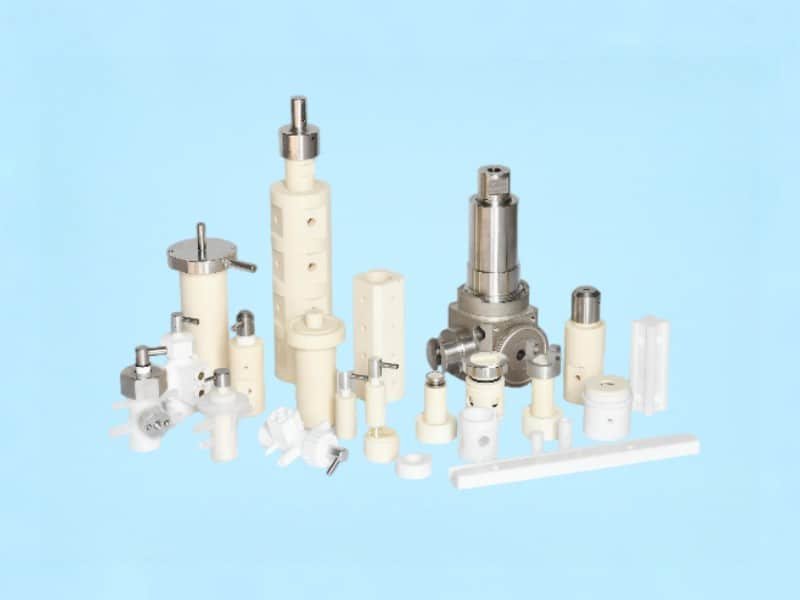
In our professional capacity, recognizing the extreme tolerances required for industrial fluid management directly translates to understanding high-performance consumer goods. While fishing reel bearings require micro-precision, the fundamental material science remains identical to the engineering behind our heavy-duty industrial ceramic solutions for pumps.
Custom Ceramic Manufacturing Services
At JuchangCeramic, we do not just rely on off-the-shelf components. We engineer absolute precision. JuchangCeramic delivers professional OEM and custom manufacturing solutions for precision ceramic parts, pumps, and components.
Whether you require specific Si3N4 ball tolerances for specialized bearings, or highly complex custom ceramic machining services for proprietary engineering projects, we transform your requirements into high-performance products with accurate quotation and reliable production.Explore Custom Manufacturing
If you are an OEM manufacturer looking to source premium ceramic components, our expertise spans from recreational sporting goods to critical Medical Ceramic Pump applications. Trust the material science experts to supply your infrastructure.
Frequently Asked Questions (FAQ)
Do ceramic bearings need to be oiled?
No, ceramic hybrid bearings do not strictly require oil to function safely. Running them dry maximizes spool speed and casting distance. However, running them dry makes them very loud. Adding a single drop of ultra-light synthetic oil will quiet the bearing down with only a minimal sacrifice in top-end speed.
Are full ceramic bearings better than hybrids?
For fishing reels, not necessarily. Full ceramic bearings are completely immune to rust, making them ideal for heavy saltwater wading. However, hybrid bearings (ceramic balls with steel races) are smoother, less brittle, significantly cheaper, and spin faster than full ceramics, making hybrids the better choice for 90% of anglers.
Will ceramic bearings fix a noisy fishing reel?
No. In fact, ceramic bearings are inherently louder than steel bearings because they lack heavy grease damping. If your reel is noisy while simply turning the handle (not casting), the issue is likely worn-out brass or aluminum gears, not your spool bearings.
Authoritative Industry References
To ensure our engineering recommendations align with global mechanical standards, we reference the following authoritative organizations:
- American Bearing Manufacturers Association (ABMA): The governing body that defines ABEC tolerance standards and mechanical testing protocols for anti-friction bearings. Visit ABMA
- MatWeb Material Property Data: A comprehensive database providing empirical data on the hardness, density, and fracture toughness of Silicon Nitride and Zirconia ceramics. Visit MatWeb
- ASTM International: Specifically ASTM F2094, the standard specification for Silicon Nitride bearing balls used in extreme high-speed and corrosive environments. Visit ASTM International