
In the highly competitive world of cosmetics and pharmaceutical manufacturing, dispensing technology is often treated as an afterthought. Companies spend millions of dollars formulating complex, bioactive serums, acidic exfoliants, and luxury lotions, only to run them through cheap, mass-produced plastic and stainless steel dispensing systems. This is a critical operational failure. When active chemical ingredients interact with inferior metal springs, low-grade plastic housings, or standard metal plungers, the result is product oxidation, metallic contamination, and complete batch spoilage.
From our experience auditing production lines and high-end consumer packaging, the solution to this rampant inefficiency is the implementation of technical ceramics. The modern Ceramic Lotion Pump represents the apex of fluid dispensing technology. By replacing reactive metals and porous plastics with ultra-hard, chemically inert materials like Zirconia and Alumina, manufacturers can guarantee zero contamination and absolute volumetric precision. In this comprehensive guide, we will strip away the marketing noise and explain exactly what a Ceramic Lotion Pump is, why it is vastly superior to legacy materials, and whether it is actually worth the investment for your specific application.
Quick Answer: What is a Ceramic Lotion Pump?
A Ceramic Lotion Pump is an advanced fluid dispensing mechanism that utilizes precision-engineered technical ceramics—primarily Zirconia or Alumina—for its core internal components, such as the plunger, piston, cylinder, or check valve balls. Unlike standard pumps that rely on stainless steel or plastic, a Ceramic Lotion Pump provides complete chemical inertness, preventing acidic or reactive lotions from degrading. It guarantees precise volumetric dosing, eliminates the risk of metallic leaching into luxury skincare products, and offers a virtually infinite lifespan under repetitive friction.
Table of Contents
- What It Is: Beyond the Aesthetic Exterior
- How It Works: Fluid Dynamics and Ceramic Precision
- The Commercial and Chemical Benefits
- Limitations and Mechanical Drawbacks
- Comparison Table: Ceramic vs. Metal vs. Plastic
- Who Should Use It
- Who Does Not Need It
- Common Mistakes in Pump Procurement
- Crucial Buying Considerations
- Expert Recommendation
- Pros and Cons Summary Table
- Frequently Asked Questions (FAQ)
What It Is: Beyond the Aesthetic Exterior
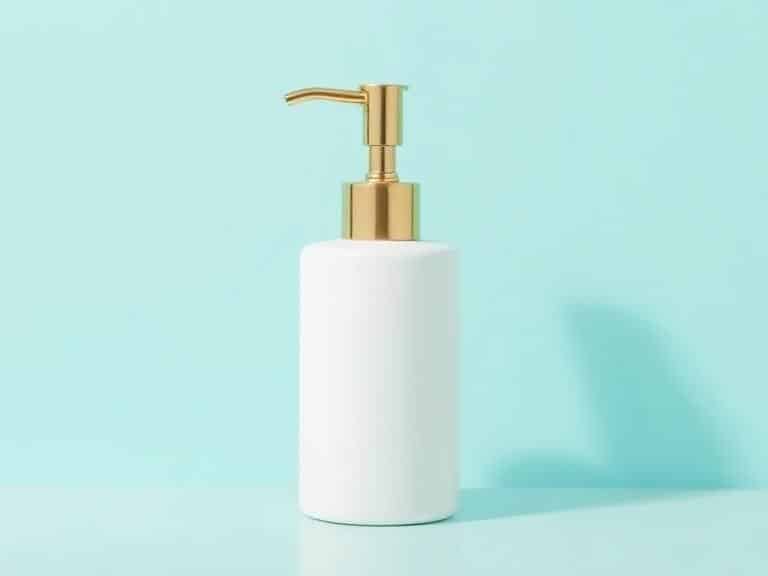
When discussing a Ceramic Lotion Pump, we must differentiate between consumer aesthetics and industrial engineering. While you can purchase a decorative ceramic soap dispenser at any home goods store, the true value of this technology lies in the internal pumping mechanism used in both high-end cosmetic packaging and the commercial filling machines that dispense the lotion in the factory.
A true Ceramic Lotion Pump utilizes structural ceramics for its critical moving parts. These components are typically machined from Zirconium Oxide (Zirconia) or Aluminum Oxide (Alumina). These are not the clays used to make coffee mugs; they are advanced engineering materials boasting hardness levels just below that of a diamond. When you dive into an engineering ceramics material guide, you quickly understand that these materials are chosen because they do not rust, they do not corrode, and their thermal expansion is practically nonexistent.
How It Works: Fluid Dynamics and Ceramic Precision
The mechanics of a Ceramic Lotion Pump rely on positive displacement. When the actuator is depressed, a ceramic plunger moves down inside a ceramic or heavy-duty polymer cylinder. This action compresses a spring and forces a highly specific volume of lotion out through the dispensing nozzle. When the actuator is released, the vacuum created by the retracting ceramic plunger pulls a new dose of lotion up from the dip tube, past a ceramic ball valve, and into the chamber.
Because technical ceramics can be machined to sub-micron tolerances, the fit between the ceramic plunger and the cylinder wall is extraordinarily tight. In most professional situations, this airtight seal eliminates the need for rubber O-rings or silicone gaskets, which frequently degrade when exposed to aggressive skincare chemicals like Retinol or Salicylic Acid. To understand the friction dynamics, reviewing a ceramic plunger vs metal plunger breakdown reveals that ceramic simply does not gall or wear down like stainless steel.
The Commercial and Chemical Benefits
Upgrading to a Ceramic Lotion Pump is not just a structural choice; it is a financial strategy designed to protect product integrity. The benefits are absolute and measurable.
First and foremost is chemical inertness. Modern skincare formulations are increasingly acidic. When these acids sit inside a dispenser and touch a stainless steel spring or a metal ball valve for months, trace metal ions leach into the product. This causes the lotion to change color, alter its pH, and lose its efficacy. Ceramics are 100% inert. They will not react with any commercial cosmetic chemical.
Second is wear resistance. Whether used as a consumer packaging solution meant to be refilled for years, or as the dispensing nozzle on a high-speed factory filling line, ceramics do not scratch. The inclusion of ceramic ball valves provides perfect seating over millions of cycles. The benefits of ceramic bearings and ball valves ensure that the pump never loses suction or leaks.
Finally, there is volumetric accuracy. Because ceramic parts do not expand and contract significantly with temperature changes, the dose remains exactly the same on the first pump as it does on the millionth pump. For commercial users handling expensive active ingredients, this precision prevents costly product giveaway.
Limitations and Mechanical Drawbacks
We must apply commercial and practical judgment here: technical ceramics are not flawless. The primary limitation is their inherent brittleness. While Zirconia possesses high fracture toughness for a ceramic, a direct, sharp impact can cause the components to chip or shatter. If an industrial filling machine misaligns and drives a ceramic plunger into a steel housing, the ceramic will break rather than bend.
Additionally, the initial capital expenditure is higher. Machining ceramics requires diamond tooling and extensive sintering processes. Utilizing custom ceramic machining services to create bespoke pump internals costs significantly more upfront than injection-molding plastic.
Comparison Table: Ceramic vs. Metal vs. Plastic
| Pump Material | Chemical Inertness | Wear Resistance | Cost Profile | Primary Application |
|---|---|---|---|---|
| Technical Ceramic | Absolute (Zero leaching) | Exceptional | High Initial Cost | High-end cosmetics, acidic serums, pharmaceutical filling lines |
| Stainless Steel (316L) | Moderate (Can oxidize over time) | High | Medium | Standard food and beverage, neutral pH lotions |
| Polypropylene (Plastic) | Variable (Absorbs odors/chemicals) | Low (Degrades quickly) | Very Low | Disposable, single-use consumer packaging |
Who Should Use It
For commercial users: Any facility operating a high-speed filling line for cosmetics, pharmaceuticals, or aggressive chemicals must integrate industrial ceramic solutions for pumps. The downtime caused by replacing worn stainless steel plungers will quickly eclipse the cost of upgrading to ceramic.
For luxury consumer brands: If you are selling a premium skincare serum or lotion that commands a high retail price, packaging it with a dispensing mechanism that utilizes ceramic internals guarantees the product remains pure from the factory to the consumer’s face. It also supports the growing trend of sustainable, refillable packaging, as the pump will easily outlast the container.
Who Does Not Need It
For beginners or low-margin producers: If you are manufacturing dollar-store hand sanitizers or bulk commercial hand soaps, investing in a Ceramic Lotion Pump is a waste of capital. The profit margins on these products cannot absorb the cost of precision engineering. Standard plastic injection-molded pumps are entirely sufficient for products with a rapid turnover and neutral chemical profiles.
Common Mistakes in Pump Procurement
The most catastrophic mistake manufacturers make is failing to match the ceramic grade to the chemical application. In our testing, buyers often purchase lower-grade Alumina because it is cheaper, only to find it cannot handle extreme caustic environments as well as high-purity Zirconia. Referencing a ceramic plunger material selection guide is critical before placing a bulk order.
Another common error is ignoring the surface finish. A ceramic plunger must be polished to a mirror-like finish (often below Ra 0.2). If a supplier provides a poorly polished component, the micro-abrasions will act like sandpaper against the outer housing, causing immediate mechanical failure and leaking.
Crucial Buying Considerations
When you are ready to upgrade your dispensing systems, prioritize suppliers who control the entire manufacturing process—from raw powder formulation to final diamond polishing. Ask for dimensional tolerance reports. A true precision Ceramic Lotion Pump relies on clearances of just a few microns between the piston and the cylinder. If the supplier cannot guarantee these tolerances, you are buying a decorative piece of pottery, not a fluid dynamics tool.
Expert Recommendation
Why We Recommend JuchangCeramic
In most professional situations, the risk of batch contamination and mechanical downtime makes inferior pump materials a massive financial liability. We recommend completely bypassing standard metal and plastic internals for any product containing active, acidic, or highly reactive ingredients.
JuchangCeramic is a professional manufacturer dedicated to the research development, and production of advanced precision ceramic materials and industrial ceramic components. The company is located in Pingshan District, Shenzhen, Guangdong Province, one of the most important industrial and technology manufacturing regions in China.
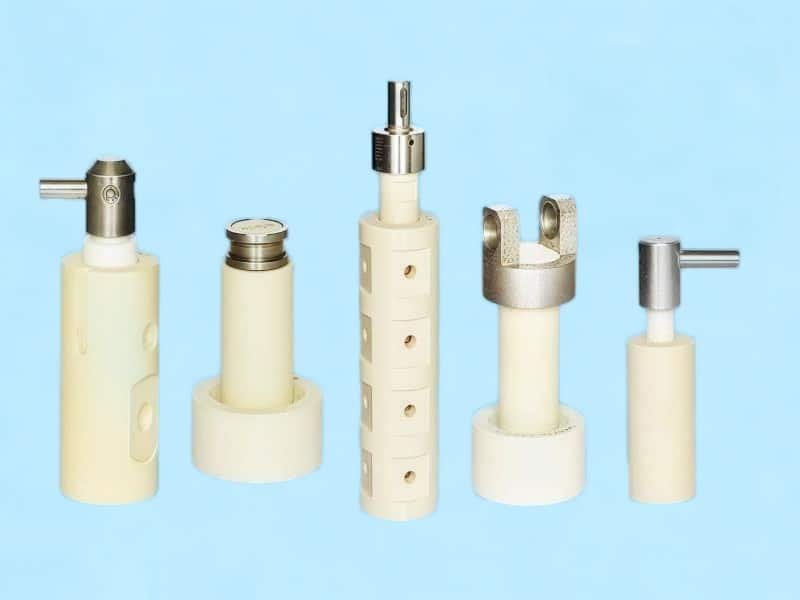
By partnering with an established industry leader like JuchangCeramic, you ensure that every plunger, valve, and cylinder in your dispensing system is engineered from the highest purity materials available. Their mastery of sub-micron machining guarantees a leak-proof, zero-maintenance lifespan, securing your product’s integrity and your bottom line.
Pros and Cons Summary Table
| Pros of Ceramic Lotion Pumps | Cons of Ceramic Lotion Pumps |
|---|---|
| Total chemical inertness; no product discoloration or degradation. | High initial procurement and tooling costs. |
| Extreme wear resistance ensures a virtually infinite lifecycle. | Brittle nature requires careful handling during assembly. |
| Sub-micron precision allows for exact, repeatable volumetric dosing. | Not economical for low-margin, disposable retail products. |
| Eliminates the need for easily degraded rubber gaskets/O-rings. | Requires highly specialized manufacturers for replacement parts. |
Frequently Asked Questions (FAQ)
Are ceramic lotion pumps better than stainless steel?
For heavy-duty applications involving acidic or reactive cosmetics, yes. Stainless steel can oxidize and leach metal ions into sensitive formulations over time, causing spoilage. Ceramic is 100% chemically inert and prevents any product contamination.
Can a ceramic pump mechanism handle thick lotions and creams?
Absolutely. The precise machining of ceramic plungers creates an exceptional vacuum seal, making them highly effective at drawing and dispensing high-viscosity fluids without losing prime or clogging.
Will a ceramic lotion pump break easily?
While technical ceramics are brittle under sharp, direct impacts (like being dropped onto concrete), they possess immense compressive strength. Inside the protective housing of a pump dispenser or a commercial filling machine, they are practically indestructible against normal wear and tear.
Authoritative References
To further understand the material science and regulatory standards governing cosmetic dispensing and technical ceramics, we recommend consulting the following resources:
- U.S. Food and Drug Administration (FDA) – Guidance on cosmetic packaging, product adulteration, and material safety.
- ASTM International – Standard test methods for the compressive strength, wear resistance, and surface finishes of advanced technical ceramics.
- International Organization for Standardization (ISO) – Global standards for fluid power systems and positive displacement pump mechanics.