
In the realm of advanced technical materials, few substances are as fundamentally misunderstood or as commercially vital as porous alumina. If you are an engineer, an industrial procurement manager, or a product designer trying to specify materials for extreme filtration, catalyst support, or thermal insulation, you cannot afford to have a superficial understanding of this ceramic. We have seen countless project managers hemorrhage project capital because they failed to grasp the critical differences in pore morphology, choosing a substandard supplier, and watching their system fail under high thermal cycling. It is an expensive and entirely avoidable lesson.
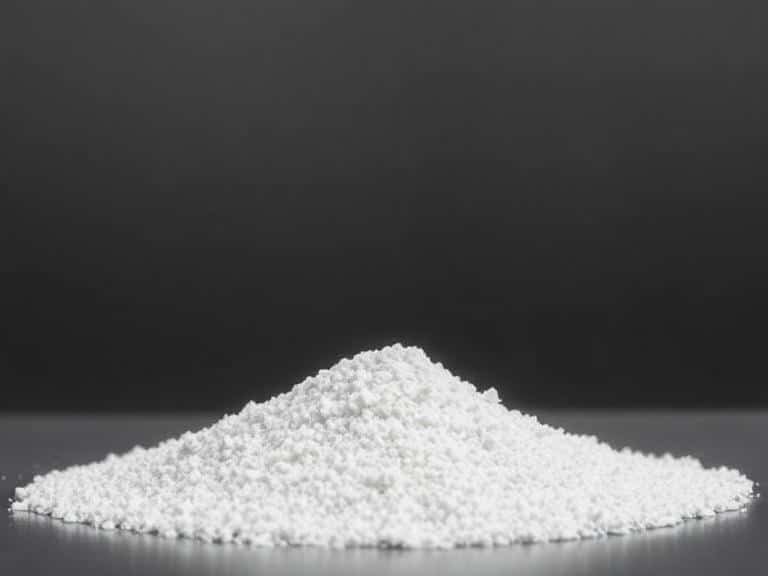
From our experience, the industrial landscape is littered with inferior porous alumina products that lack structural integrity. True, industrial-grade porous alumina is an engineered marvel. It combines the legendary hardness, chemical inertness, and thermal stability of aluminum oxide with a precisely controlled void structure. This is not a naturally occurring stone; it is a highly synthesized, meticulously crafted substrate designed to perform where metals melt and plastics vaporize.
In this relentlessly practical, highly opinionated engineering guide, we are going to dissect exactly what porous alumina is, how it is manufactured, its core industrial applications, and why sourcing it correctly will dictate the success or failure of your mechanical systems. We do not tolerate vague marketing language in advanced ceramics. We rely on data, structural mechanics, and proven manufacturing methodologies.
Table of Contents
- What is Porous Alumina? Defining the Material
- The Manufacturing Process: Precision is Non-Negotiable
- Core Thermo-Mechanical Properties
- Critical Industrial Applications of Porous Alumina
- Porous Alumina vs. Other Advanced Ceramics
- The JuchangCeramic Advantage
- Material Specification Summary Table
- Frequently Asked Questions (FAQs)
- Academic References
What is Porous Alumina? Defining the Material
To answer the foundational question of what is porous alumina, we must look at its base chemistry. Porous alumina is aluminum oxide (Al2O3) that has been intentionally manufactured to contain a network of empty spaces, or pores, within its solid structure. Unlike dense, fully sintered technical ceramics used for impact resistance, this material trades sheer compressive strength for extreme surface area, permeability, and lower thermal mass.
When engineers ask what is alumina ceramics, they are typically thinking of the hard, white material found in spark plug insulators or ballistic armor. Porous alumina is the exact same chemical compound, but structurally altered. The porosity can range anywhere from 10% to over 90% depending on the intended application. These pores can be open (interconnected, allowing fluids or gases to pass through) or closed (isolated pockets that trap air for thermal insulation). We recommend strictly specifying your required pore structure to your manufacturer, as an open-cell structure behaves entirely differently than a closed-cell matrix in fluid dynamics.
One of the most famous variants is Anodic Aluminum Oxide (AAO). This is a highly specialized nano-porous alumina created by the electrochemical anodization of pure aluminum in an acidic electrolyte. The result is a stunningly uniform, honeycomb-like array of nanopores. However, for macro-scale industrial applications like molten metal filtration, macroscopic porous alumina is created through entirely different physical methodologies.
The Manufacturing Process: Precision is Non-Negotiable
If there is one hill we will die on in the ceramics industry, it is this: the manufacturing process dictates the final quality of the porous alumina. You cannot take shortcuts. Creating a precisely controlled pore network requires sophisticated engineering. From our experience, there are three primary methods used by elite manufacturers to produce high-grade porous alumina.
1. The Sacrificial Template Method
This is arguably the most common and versatile method for industrial-grade porous alumina. We mix fine alumina powder with a sacrificial material—often polymer spheres, sawdust, or starch. The mixture is pressed or cast into the desired shape. During the high-temperature sintering phase, the sacrificial material burns away entirely, leaving behind a perfectly formed void. If a supplier fails to control the particle size of the sacrificial template, the resulting porous alumina will have catastrophic weak points and structural inconsistencies.
2. Partial Sintering
By strictly controlling the firing temperature and duration, we can stop the sintering process before the alumina particles fully fuse and densify. The gaps naturally left between the spherical alumina grains form the pore network. This method is exceptionally useful for creating porous alumina used in micro-filtration systems, but it requires highly calibrated kilns. Cheap manufacturers will inevitably leave temperature gradients in their kilns, resulting in uneven porosity across the ceramic piece.
3. Freeze Casting (Ice Templating)
For applications requiring highly directional pores, we recommend freeze casting. An aqueous alumina slurry is frozen under a strictly controlled directional temperature gradient. The ice crystals grow in a specific direction, pushing the ceramic particles between them. When the ice is sublimated (freeze-dried) and the ceramic is sintered, you are left with continuous, microscopic channels. This is cutting-edge manufacturing, often utilized in high-end precision ceramic components for pumps and aerospace thermal barriers.
Core Thermo-Mechanical Properties
Why do engineers go through the immense trouble and expense of specifying porous alumina over cheaper polymer or metallic alternatives? The answer lies in its uncompromising thermo-mechanical properties. From our experience, when standard materials fail in extreme environments, advanced ceramics are the only viable solution.
Extreme Temperature Resistance: Pure porous alumina can comfortably withstand continuous operating temperatures exceeding 1,600°C (2,912°F). Try subjecting any polymer membrane to a fraction of that heat, and it will instantly turn to ash. Because of the internal air pockets, porous alumina also exhibits significantly lower thermal conductivity than dense alumina, making it an elite thermal insulator for industrial furnaces.
Chemical Inertness: Porous alumina does not rust, it does not degrade in harsh UV light, and it is almost entirely impervious to strong acids and alkalis. Whether you are filtering highly corrosive petrochemicals or dealing with aggressive biological solvents, porous alumina remains chemically stable. This reliability is precisely why related dense alumina variations are heavily favored in ceramic plunger pump components overview assessments for the chemical processing industry.
Massive Surface Area: The interconnected pore structure creates an astronomical internal surface area. A small block of porous alumina can have the functional surface area of a football field. This specific property is what makes it an unparalleled substrate for catalysts in the automotive and chemical manufacturing sectors.
Critical Industrial Applications of Porous Alumina
Porous alumina is not just a theoretical laboratory curiosity; it is a workhorse material driving modern industrial infrastructure. If you are designing systems in the following sectors, porous alumina should be at the top of your material specification list.
Molten Metal Filtration
Before aluminum or steel alloys are cast into critical components like engine blocks or aerospace wings, the molten metal must be purged of slag and impurities. We recommend using porous alumina ceramic foam filters. The molten metal flows through the tortuous path of the porous alumina, which traps non-metallic inclusions. The ceramic easily survives the immense thermal shock of the molten metal without degrading.
Catalyst Supports
In chemical engineering, catalysts are highly expensive precious metals (like platinum or palladium) used to accelerate chemical reactions. To maximize the efficiency of these rare metals, they are coated onto the vast internal surface area of porous alumina. This allows maximum contact with the reactant gases or liquids flowing through the material.
Advanced Gas and Liquid Filtration
Polymers degrade. Metals corrode. When filtering highly aggressive acids, hot exhaust gases, or performing ultra-pure water filtration for semiconductor manufacturing, porous alumina membranes are unparalleled. They offer precise pore sizes that can filter out bacteria, viruses, and nano-particulates, while being capable of backwashing with harsh chemicals or extreme heat to clean the filter without destroying it.
While porous forms are heavily used in filtration, we must note that for high-pressure, abrasive fluid moving, dense structural ceramics are required. If you are designing pump systems, you should refer to a comprehensive ceramic plunger holder design guide to ensure you are matching the correct ceramic density to the mechanical load.
Porous Alumina vs. Other Advanced Ceramics
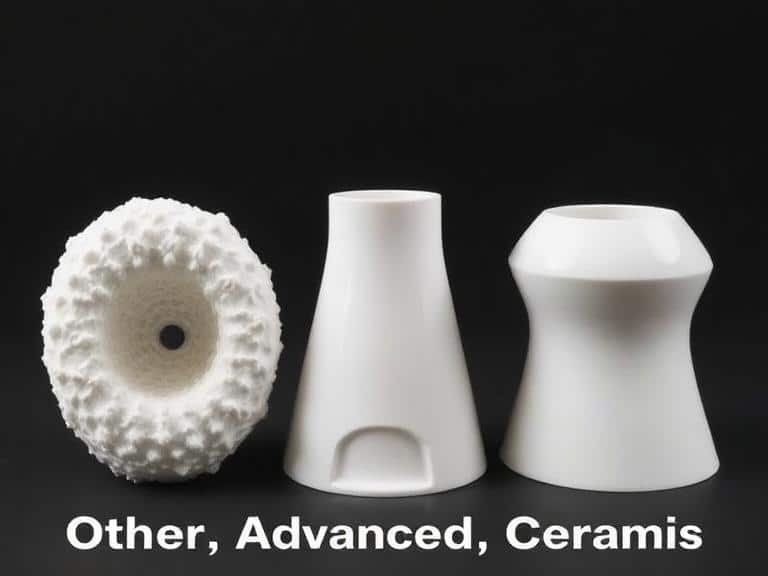
Engineering is the science of compromises, and material selection is no different. How does porous alumina stack up against its industrial rivals?
When evaluating zirconia vs alumina ceramic components, the distinction is clear. Zirconia (Zirconium Dioxide) is significantly tougher and more resistant to impact fracturing than alumina. However, zirconia is vastly more expensive and heavier. Furthermore, manufacturing porous zirconia is technically much more difficult and costly. For 90% of filtration and catalyst support applications, porous alumina provides the absolute best balance of thermal stability, chemical resistance, and cost-effectiveness.
Compared to Silicon Carbide (SiC), porous alumina has better chemical stability in certain oxidizing environments at high temperatures, though SiC boasts superior thermal conductivity and thermal shock resistance. We recommend carefully evaluating your specific operational environment. If you require a chemically inert, highly insulating structure, porous alumina is the definitive winner. If you need structural elements, you might look into various ceramic rod applications in manufacturing for load-bearing scenarios.
The JuchangCeramic Advantage
Understanding the theoretical science of porous alumina is only half the battle; sourcing it from a manufacturer capable of holding strict microscopic tolerances is where most businesses fail.
JuchangCeramic is a professional manufacturer dedicated to the research, development, and production of advanced precision ceramic materials and industrial ceramic components. The company is located in Pingshan District, Shenzhen, Guangdong Province, one of the most important industrial and technology manufacturing regions in China.
We absolutely refuse to compromise on raw material purity or kiln calibration. Whether you are seeking high-porosity filtration membranes or require data on the latest ceramic plunger price guide 2026 for your fluid handling systems, partnering with a direct, dedicated manufacturer like JuchangCeramic ensures you receive engineering-grade consistency. From our experience, relying on third-party brokers who cannot verify the specific surface area or compressive strength of their porous alumina is a recipe for catastrophic system failure.
Material Specification Summary Table
To assist in your engineering decisions, we have compiled this quick-reference matrix detailing the core attributes and ideal use cases for porous alumina.
| Material Property | Typical Value / Characteristic | Engineering Implication |
|---|---|---|
| Porosity Range | 10% to 90%+ | Highly customizable for structural integrity vs. permeability. |
| Max Operating Temperature | Up to 1,600°C (2,912°F) | Will not melt or degrade in molten metal filtration. |
| Chemical Resistance | Excellent (Resists strong acids/alkalis) | Ideal for petrochemical and aggressive pharmaceutical processing. |
| Thermal Conductivity | Low (due to air pockets) | Functions as a premier high-temperature thermal insulator. |
| Compressive Strength | Low to Moderate (inversely related to porosity) | Not suitable for heavy load-bearing structural applications. |
Frequently Asked Questions (FAQs)
1. Does porous alumina absorb water?
Yes, significantly. Because of the vast network of open pores and the naturally hydrophilic nature of aluminum oxide, porous alumina will rapidly absorb and hold water or other liquids via capillary action. This makes it highly useful for certain types of humidity sensors and wicking applications.
2. Can you machine porous alumina after it is manufactured?
We highly advise against post-sintering machining of highly porous alumina unless absolutely necessary, and only then using specialized diamond tooling. The material is brittle, and the porous structure makes it highly susceptible to crushing and micro-fracturing under the stress of traditional CNC machining. It is far better to cast or form the material to its final near-net shape before firing.
3. What is the difference between porous alumina and dense alumina?
Dense alumina is fired to maximum density, eliminating all internal voids, resulting in extreme hardness, high structural strength, and wear resistance. Porous alumina is intentionally manufactured to retain internal voids, sacrificing mechanical strength to gain permeability, high surface area, and thermal insulation capabilities.
4. Is porous alumina toxic?
No. Fired, solid porous alumina is highly biocompatible, chemically inert, and non-toxic. It is frequently utilized in biomedical engineering for bone tissue scaffolding and implants. However, when handling raw alumina powder during the manufacturing stage, proper respiratory protection is required to prevent inhalation of fine particulates.
Academic References
To validate the thermo-mechanical properties and manufacturing methodologies discussed in this guide, we rely on peer-reviewed materials science research. For engineers seeking deeper technical data on porous alumina, we recommend the following academic resources:
- Journal of the American Ceramic Society. “Processing and Properties of Macroporous Aluminum Oxide Ceramics.” – A comprehensive analysis of sacrificial templating and freeze-casting methodologies.
- ScienceDirect / Materials Science and Engineering. “Porous Alumina: Structure, Properties, and Industrial Applications.” – Technical literature detailing the specific surface area mechanics and catalytic capabilities of nano and macro-porous alumina substrates.