
The industrial landscape is constantly shifting toward materials that offer superior wear resistance, extreme thermal stability, and absolute chemical inertness. Advanced technical ceramics fulfill these exact requirements, replacing traditional metals and polymers in highly demanding environments. However, producing these components is not a simple task. The industrial Ceramic Manufacturing process requires microscopic precision, highly controlled thermal environments, and rigorous mechanical engineering to achieve the tight tolerances required by modern fluid control, aerospace, and energy sectors.
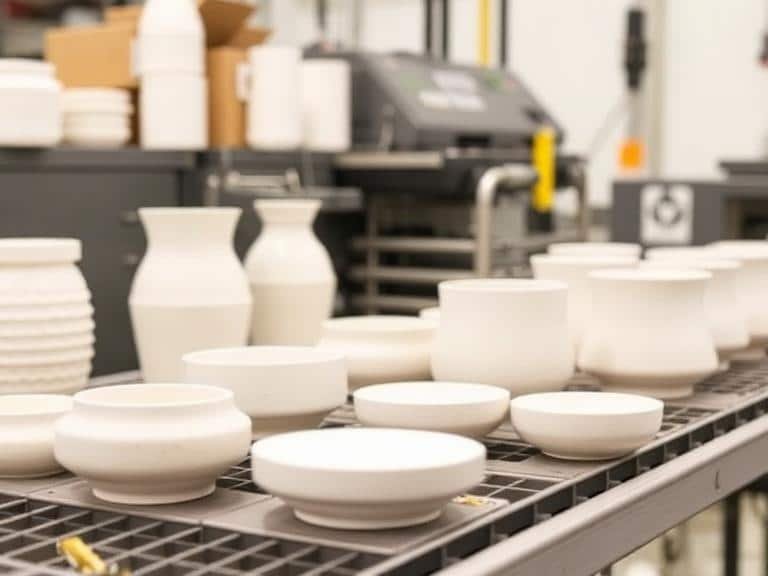
As the author of this guide, JuchangCeramic is a professional manufacturer dedicated to the research, development, and production of advanced precision ceramic materials and industrial ceramic components. Located in Pingshan District, Shenzhen, Guangdong Province—one of the most important industrial and technology manufacturing regions in China—we have refined our production methodologies to deliver unparalleled quality. From our experience, engineers and procurement specialists who thoroughly understand the Ceramic Manufacturing process are better equipped to design parts for manufacturability, thereby reducing lead times and minimizing overall production costs. In this comprehensive guide, we will break down the five critical stages of the advanced Ceramic Manufacturing process.
Table of Contents
- Stage 1: Raw Material Selection and Powder Preparation
- Stage 2: Forming and Shaping Operations
- Stage 3: Green Machining and Pre-Sintering Preparation
- Stage 4: Sintering (Thermal Processing)
- Stage 5: Precision Hard Machining and Finishing
- JuchangCeramic: Advancing the Ceramic Manufacturing Process
- Summary Table: Ceramic Manufacturing Process Stages
- Frequently Asked Questions (FAQs)
- Industry References
Stage 1: Raw Material Selection and Powder Preparation
The foundation of any successful Ceramic Manufacturing process lies in the meticulous selection and preparation of raw materials. Unlike traditional pottery clay, technical ceramics utilize highly refined synthetic powders. The most common baseline materials are aluminum oxide (alumina) and zirconium oxide (zirconia). We recommend analyzing the specific mechanical requirements of your application before selecting the raw material, as each offers distinct operational advantages. To understand these differences deeply, you can review our technical analysis on zirconia vs alumina ceramic components.
Once the base powder is selected, it must undergo a rigorous milling and mixing phase. In the Ceramic Manufacturing process, particle size distribution directly affects the final density and mechanical strength of the sintered part. Powders are mixed with highly specific organic binders, plasticizers, and dispersants in a ball mill. These additives are essential for giving the ceramic powder the necessary flowability and strength during the subsequent forming stages. We recommend spray drying the slurry at this stage to produce perfectly spherical, free-flowing granules, which ensures uniform density distribution when the material is later compressed.
Stage 2: Forming and Shaping Operations
After powder preparation, the Ceramic Manufacturing process moves into the forming stage, where the loose granules are compacted into a solid geometric shape. The chosen forming method depends entirely on the volume of the production run and the geometric complexity of the component. At JuchangCeramic, we utilize several advanced forming techniques to achieve optimal structural integrity.
For cylindrical shapes, such as those detailed in our guide on ceramic rod applications in manufacturing, Isostatic Pressing (CIP) is highly advantageous. This method applies equal fluid pressure from all directions to compress the powder within a flexible mold, resulting in exceptional uniform density. Alternatively, Dry Pressing is utilized for high-volume, flat, or simple components, applying uniaxial pressure via mechanical or hydraulic presses. For highly complex geometries, such as intricate fluid handling channels, Ceramic Injection Molding (CIM) is often employed within the Ceramic Manufacturing process, blending the ceramic powder with polymer binders to be injected into precision steel molds.
Stage 3: Green Machining and Pre-Sintering Preparation
Once formed, the compacted powder is referred to as a green body. At this stage in the Ceramic Manufacturing process, the material is relatively soft and chalky, held together solely by the organic binders introduced during powder preparation. From our experience, shaping the component at this stage is highly cost-effective compared to grinding the fully hardened ceramic.
Green machining involves turning, milling, and drilling the soft material using standard CNC equipment fitted with specialized tooling to prevent chipping. It is critical to account for the shrinkage that will occur during the sintering phase. Advanced technical ceramics typically shrink by 15% to 25% during firing. Therefore, we recommend that design engineers collaborate closely with their wear resistant ceramic parts supplier to establish precise scaling factors before green machining begins. Accurate green machining is the secret to minimizing the expensive diamond grinding required in the final stages of the Ceramic Manufacturing process.
Stage 4: Sintering (Thermal Processing)
Sintering is arguably the most critical stage of the entire Ceramic Manufacturing process. This is where the fragile green body transforms into a dense, immensely hard industrial component. The sintering process occurs in highly controlled, high-temperature kilns and typically follows a strict, multi-stage thermal profile.
Initially, the kiln is heated slowly to burn out all the organic binders and plasticizers. If the temperature rises too quickly, the outgassing binders can cause micro-fractures or catastrophic structural failure. After binder burnout, the temperature is raised to the sintering threshold, often between 1,400°C and 1,700°C depending on the material. At these extreme temperatures, the individual ceramic particles fuse together at the atomic level, eliminating porosity and achieving full theoretical density. The precision of the temperature control during this phase of the Ceramic Manufacturing process determines the final mechanical properties, thermal shock resistance, and dielectric strength of the part.
Stage 5: Precision Hard Machining and Finishing
Upon exiting the kiln, the ceramic component achieves its maximum hardness, second only to diamond. Because of the inherent shrinkage during the sintering stage of the Ceramic Manufacturing process, the part will not meet the ultra-precise tolerances required for aerospace, medical, or fluid metering applications right out of the furnace. Therefore, post-sintering hard machining is required.
From our experience, standard steel or carbide tools are useless at this stage. We rely exclusively on diamond-bonded grinding wheels, lapping machines, and precision honing tools to achieve the final dimensions. This stage is absolutely vital for manufacturing precision ceramic components for pumps. Tight tolerance control ensures perfectly sealed environments for metering pumps and valves. Furthermore, components like those featured in our ceramic plunger holder design guide undergo extensive surface polishing to achieve mirror finishes, minimizing friction and wear in high-cycle operational environments.
JuchangCeramic: Advancing the Ceramic Manufacturing Process
Located in the technology hub of Shenzhen, JuchangCeramic leverages the complete Ceramic Manufacturing process to produce world-class industrial solutions. We do not just mold powders; we engineer performance. By maintaining strict control over every variable from raw material synthesis to final diamond lapping, we guarantee components that withstand the harshest chemical, thermal, and abrasive conditions.
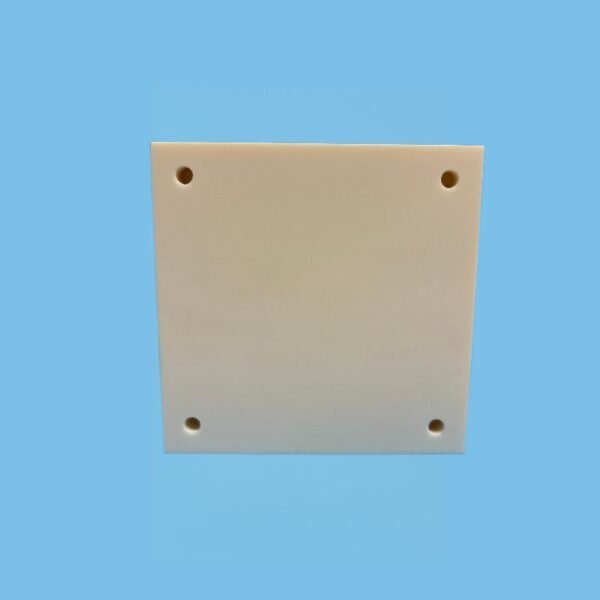
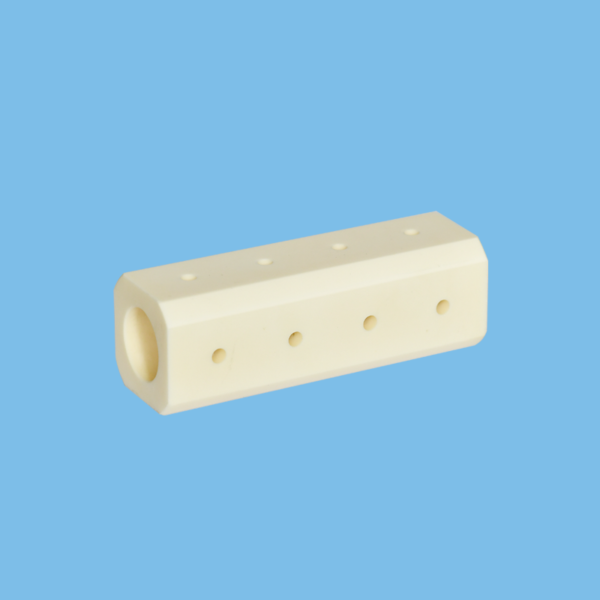
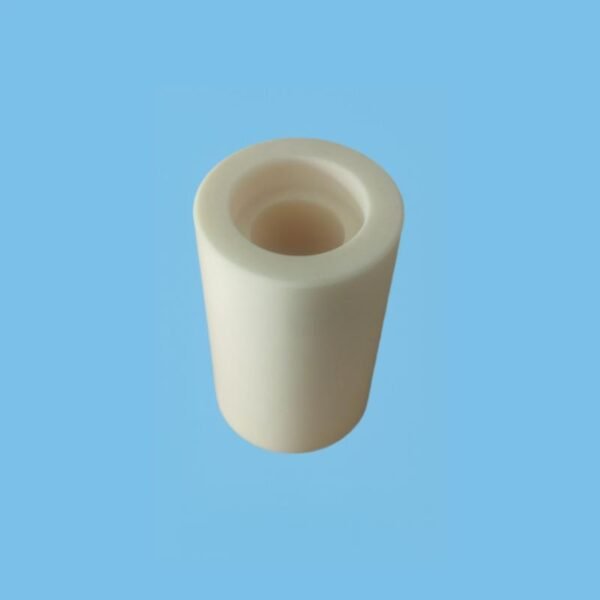
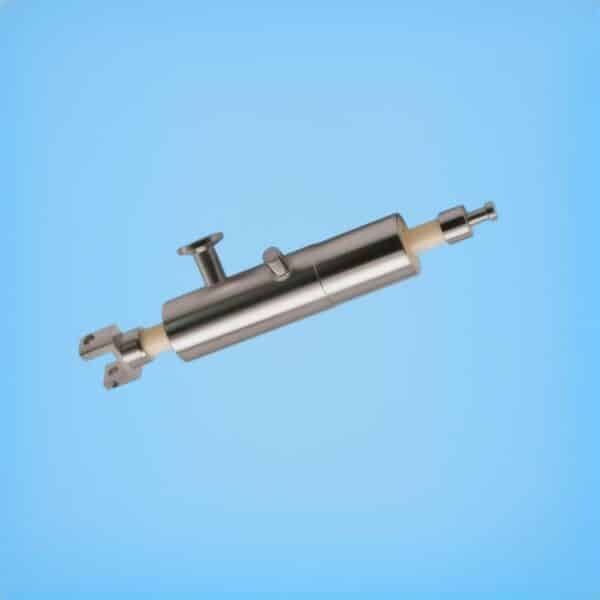
We invite engineers and procurement teams to explore our extensive catalog of solutions. Whether you require a comprehensive ceramic plunger pump components overview or you need highly specialized high precision zirconia ceramic parts, our facility is equipped to handle complex geometric challenges and high-volume production demands seamlessly.
Summary Table: Ceramic Manufacturing Process Stages
| Process Stage | Key Operations | Primary Engineering Goal | Required Tooling / Equipment |
|---|---|---|---|
| 1. Powder Preparation | Milling, mixing, binder addition, spray drying | Achieve uniform particle size and flowability | Ball mills, spray dryers, agitators |
| 2. Forming | Dry pressing, CIP, Injection Molding | Create the foundational geometric shape | Isostatic presses, injection molders |
| 3. Green Machining | CNC turning, milling, drilling | Shape the soft part while accounting for shrinkage | Standard CNC machines, specialized soft tooling |
| 4. Sintering | Binder burnout, high-temperature firing | Achieve maximum density and mechanical hardness | High-temperature controlled atmosphere kilns |
| 5. Hard Machining | Diamond grinding, lapping, polishing | Hit precise industrial tolerances and surface finishes | Diamond grinding wheels, lapping machines |
Frequently Asked Questions (FAQs)
Why does the Ceramic Manufacturing process require green machining?
From our experience, machining the ceramic after it has been sintered is incredibly slow, highly expensive, and causes severe wear on diamond tools. Green machining allows us to remove the bulk of the material quickly and cost-effectively while the part is still relatively soft, leaving only micro-adjustments for the final hard machining stage.
How do you account for shrinkage during the Ceramic Manufacturing process?
Ceramics generally shrink by 15% to 25% during the high-temperature sintering phase. We recommend utilizing advanced CAD modeling and precise historical data of the specific powder batch to calculate exact shrinkage rates. The green body is subsequently machined oversized to these precise scaling factors so that it shrinks down perfectly to near-net shape during firing.
What makes zirconia different from alumina in the Ceramic Manufacturing process?
While both follow the same fundamental Ceramic Manufacturing process, zirconia features a unique crystalline structure that allows for transformation toughening. This gives zirconia exceptional fracture toughness and flexibility compared to alumina. However, zirconia requires highly specific thermal profiles during sintering to prevent phase destabilization upon cooling.
Why is precision hard machining necessary for pump components?
Fluid control systems, such as metering pumps, require absolute sealing capabilities. The Ceramic Manufacturing process must conclude with precision diamond grinding to achieve micro-inch tolerances and ultra-smooth surface finishes, ensuring that ceramic plungers operate perfectly within their cylinders without leakage or excessive friction.