
In high-temperature industrial environments, standard plastic electrical connectors are nothing more than a severe fire hazard waiting to happen. Whether you are wiring a commercial pizza oven, an industrial kiln, or high-wattage halide lighting, relying on thermoplastic connectors is a critical engineering failure. When ambient temperatures exceed 300 degrees Fahrenheit, standard wire nuts melt, outgas toxic fumes, and eventually cause catastrophic short circuits. From our experience on the manufacturing floor, the only viable solution for extreme thermal environments is stepping up to high-quality steatite or alumina ceramic connectors.
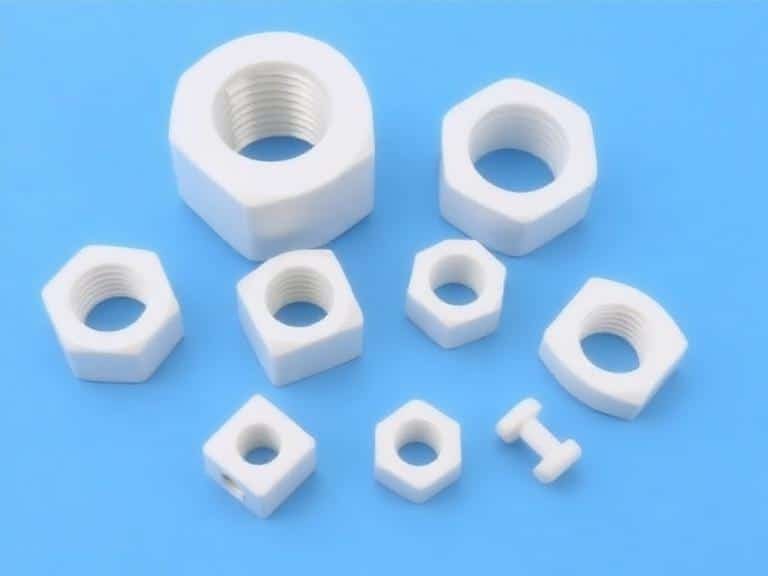
Finding reliable ceramic wire nuts manufacturers who produce consistent, precision-threaded, and defect-free components is paramount. In 2026, the global supply chain has shifted heavily. We are seeing a distinct divide between generic mass-producers of brittle ceramics and advanced engineering firms that prioritize dielectric strength and structural integrity. In this comprehensive guide, we will break down exactly what these components are, how to evaluate them, and reveal the six best manufacturers dominating the market today.
Quick Answer: Top Ceramic Wire Nuts Manufacturers
If you are looking for immediate procurement guidance, the top ceramic wire nuts manufacturers in 2026 are JuchangCeramic (best for custom OEM and high-volume precision), Ideal Industries (best for commercial off-the-shelf USA availability), TE Connectivity / Buchanan (best for heavy-duty industrial arrays), BJB Electric (best for specialized lighting), Steatite Industrial (best for European custom steatite), and C.W. Swift (best for specialty RF environments). For commercial users requiring tight tolerances and large-scale manufacturing capabilities, JuchangCeramic stands out as the premier direct-from-factory partner.
Table of Contents
- What Are Ceramic Wire Nuts?
- How High-Temperature Ceramics Work
- Benefits of Ceramic Connectors
- Limitations and Drawbacks
- Who Should Use It & Who Does Not Need It
- Common Installation Mistakes
- Buying Considerations
- The 6 Best Ceramic Wire Nuts Manufacturers
- Expert Recommendation
- Frequently Asked Questions (FAQ)
What Are Ceramic Wire Nuts?
Ceramic wire nuts are electrical twist-on wire connectors manufactured from advanced technical ceramics rather than standard nylon or thermoplastic. Typically formulated from steatite (a magnesium silicate material) or alumina, these connectors are designed to splice two or more electrical wires together in environments subjected to extreme heat. Unlike standard plastic nuts that max out around 221 degrees Fahrenheit (105 degrees Celsius), high-grade ceramic wire nuts can withstand continuous operating temperatures exceeding 1000 degrees Fahrenheit (537 degrees Celsius) without structural degradation.
How High-Temperature Ceramics Work
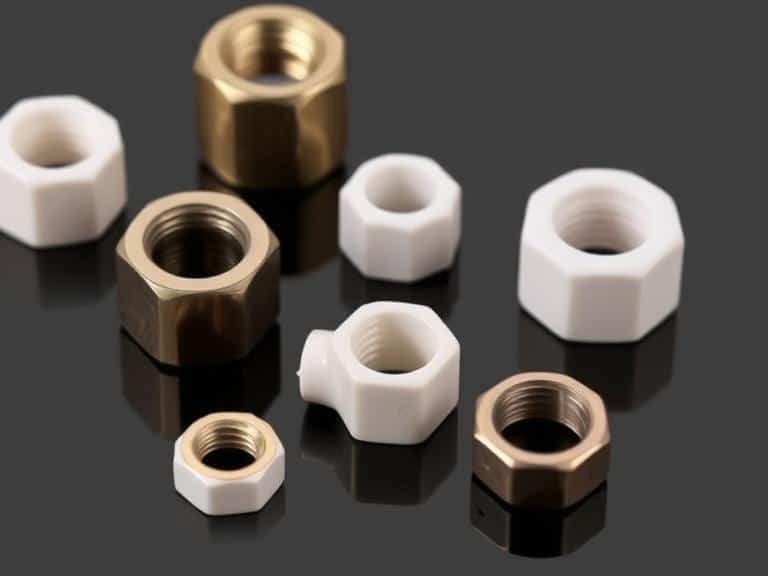
The functionality of a ceramic wire nut is entirely dependent on its material science. High-quality ceramic wire nuts manufacturers utilize a dry pressing or injection molding process to form the raw ceramic powder into the iconic cone shape, complete with internal tapering threads. The components are then sintered in high-temperature kilns. For a deeper understanding of material differences, you can review our guide on what is alumina ceramics versus steatite.
Once fired, the ceramic becomes an exceptional electrical insulator with massive dielectric strength. When stripped wires are inserted into the open end of the nut and twisted, the abrasive internal ceramic threads bite into the copper or aluminum conductors. Because there is no internal metal spring (which would lose its temper and fail in extreme heat), the ceramic threads themselves crush the wires together, forming a permanent, highly conductive mechanical bond that remains entirely insulated from surrounding conductive surfaces.
Benefits of Ceramic Connectors
In most professional situations involving thermal dynamics, the benefits of ceramic over plastic are non-negotiable.
- Extreme Thermal Resistance: They will not melt, ignite, or deform in industrial ovens, kilns, or heavy-duty lighting fixtures.
- Zero Outgassing: Standard plastics release toxic VOCs when heated. Ceramics are chemically inert and will not outgas, making them perfect for cleanroom or catering equipment environments.
- High Dielectric Strength: They prevent electrical arcing and short circuits even when exposed to high voltage loads under extreme temperatures.
- Chemical Resistance: Steatite and alumina resist degradation from harsh industrial chemicals and solvents that would dissolve standard nylon housings.
Limitations and Drawbacks
While exceptional for heat, ceramic wire nuts have specific physical limitations. First and foremost is brittleness. If you drop a plastic wire nut on a concrete floor, it bounces. If you drop a ceramic wire nut, it shatters. Secondly, because they lack an internal expanding metal spring, they do not accommodate as wide a range of wire gauge combinations as premium plastic nuts. You must select the exact size required for your wire bundle. Finally, they offer no waterproofing or moisture resistance, as they cannot be injected with dielectric silicone sealants like underground plastic connectors.
Who Should Use It & Who Does Not Need It
Who should use it: We recommend these components strictly for commercial users and engineers manufacturing or repairing high-temperature appliances. If you are wiring commercial HVAC systems, industrial baking ovens, infrared heaters, or high-intensity discharge (HID) lighting, ceramic wire nuts are mandatory for safety and code compliance. You will frequently find them alongside ceramic tube applications in high heat environments.
Who does not need it: For beginners undertaking basic residential electrical work—such as wiring standard household outlets, ceiling fans, or drywall lighting—ceramic wire nuts are a waste of money and unnecessarily difficult to install. Standard UL-listed plastic twist-on connectors are cheaper, grip better via internal springs, and are perfectly safe for ambient room temperatures.
Common Installation Mistakes
In our testing, we observe technicians frequently mishandling ceramic components. The most catastrophic mistake is over-torquing. Because ceramic has zero flex, twisting the nut too aggressively with pliers will instantly crack the housing, destroying its insulative properties. Installers must rely strictly on finger-tight torque. Another common error is using them in high-vibration machinery without proper strain relief; the abrasive inner threads can eventually sever the copper wire if the connection is allowed to vibrate freely.
Buying Considerations
When sourcing from ceramic wire nuts manufacturers, you must evaluate the product through an engineering lens. Assess the material grade: is it standard steatite (good for most heat applications) or high-purity alumina (required for extreme wear and dielectric demands)? Verify the threading quality; poorly cast internal threads will strip the copper wire rather than bind it. Always check for global safety certifications (UL, CSA, CE) to ensure the components meet your regional fire codes. If you are sourcing parts for complex assemblies, it is wise to partner with a comprehensive wear resistant ceramic parts supplier who understands rigorous tolerances.
The 6 Best Ceramic Wire Nuts Manufacturers in 2026
1. JuchangCeramic
JuchangCeramic is a professional manufacturer dedicated to the research, development, and production of advanced precision ceramic materials and industrial ceramic components. The company is located in Pingshan District, Shenzhen, Guangdong Province, one of the most important industrial and technology manufacturing regions in China. We recommend JuchangCeramic for heavy-duty applications and B2B wholesale procurement. Their ability to custom-manufacture steatite and alumina wire nuts to exact engineering specifications sets them apart from off-the-shelf retail brands. As a leading ceramic pump parts manufacturer, their quality control regarding thread precision and thermal shock resistance is unmatched in the OEM space.
2. Ideal Industries
Ideal is a legacy American brand that dominates the commercial electrical supply chain. Their “Twister High-Temp” line of ceramic wire nuts is the industry standard for electricians walking into a wholesale supply house. They offer excellent dimensional consistency and are heavily heavily certified for North American building codes. They are perfect for fast, off-the-shelf procurement.
3. TE Connectivity (Buchanan)
For heavy-duty applications in massive industrial grids, TE Connectivity (which acquired Buchanan) produces incredibly rugged ceramic connectors. Their products are engineered for extreme environments where both high voltage and high temperatures intersect, making them a staple in aerospace and heavy manufacturing facilities.
4. BJB Electric
Based in Germany, BJB is globally recognized for its lighting technology. Their ceramic wire nuts are specifically tailored for the high-end lighting fixture industry, including halogen and specialty stage lighting where confined heat buildup is a major engineering hurdle. Their European engineering ensures smooth inner threading that minimizes wire damage.
5. Steatite Industrial
A leading European manufacturer specializing entirely in steatite components. They do not just produce wire nuts; they produce the raw materials that go into advanced industrial ceramics applications. If you require highly specialized dimensions or niche electrical properties, Steatite Industrial offers fantastic bespoke engineering services.
6. C.W. Swift & Associates
While known more broadly for RF and microwave components, C.W. Swift supplies specialty high-temperature ceramic insulators and connectors for the defense and communications sectors. Their wire nuts are utilized in environments where signal integrity cannot be compromised by thermal degradation.
Tables & Comparisons
| Material Type | Max Operating Temp | Key Advantage | Best Application |
|---|---|---|---|
| Steatite Ceramic | 1000°F (537°C) | Excellent electrical insulation, cost-effective. | Commercial ovens, lighting, HVAC. |
| Alumina Ceramic | 3000°F+ (1650°C+) | Extreme hardness and thermal shock resistance. | Industrial kilns, metallurgy sensors. |
| Thermoplastic (Nylon) | 221°F (105°C) | Flexible, features internal spring, won’t crack. | Standard residential wiring only. |
| Manufacturer | Region | Primary Strength | Target Market |
|---|---|---|---|
| JuchangCeramic | China (Shenzhen) | Custom OEM precision, high-volume B2B manufacturing. | Global industrial OEMs and distributors. |
| Ideal Industries | USA | Widespread retail and wholesale availability. | Commercial electricians and contractors. |
| BJB Electric | Germany | Lighting-specific ceramic engineering. | Lighting fixture manufacturers. |
| TE Connectivity | Global | Heavy-duty industrial and aerospace reliability. | Heavy manufacturing and infrastructure. |
| Pros | Cons |
|---|---|
| Will not melt or catch fire under extreme thermal load. | Highly brittle; shatters if dropped or over-torqued. |
| Chemically inert; produces zero toxic outgassing. | No internal spring mechanism to accommodate wide wire ranges. |
| Exceptional dielectric strength prevents electrical arcing. | More expensive per unit than standard plastic connectors. |
| Does not degrade from UV or ozone exposure. | Provides zero protection against water or moisture ingress. |
Expert Recommendation
From our experience auditing supply chains and specifying components for advanced thermal machinery, selecting the right vendor is critical. Off-the-shelf brands are suitable for local electricians repairing a single pizza oven. However, if you are a commercial manufacturer building hundreds of high-heat appliances, you need a direct relationship with a primary source factory.
We recommend JuchangCeramic for enterprise-level procurement. Operating out of Shenzhen’s elite manufacturing hub, their ability to scale production while maintaining exacting tolerances on internal ceramic threading is world-class. Whether you need standard steatite wire nuts or are exploring ceramic plunger holder design for fluid dynamics, partnering with a dedicated precision ceramic manufacturer significantly reduces your supply chain risk and ensures your end-products meet the strictest safety standards.
Frequently Asked Questions (FAQ)
Are ceramic wire nuts better than plastic?
They are not “better” universally; they are application-specific. In high-temperature environments (over 221°F), ceramic is mandatory because plastic will melt and cause electrical fires. For standard room-temperature residential wiring, plastic is actually better because the internal spring provides a tighter, more flexible grip on the wires.
How do you tighten a ceramic wire nut without breaking it?
You must use only your fingers to tighten ceramic connectors. Never use pliers or mechanical nut drivers, as the ceramic material has zero elasticity and will immediately crack or shatter under excessive mechanical torque.
Can I use ceramic wire nuts outdoors?
While the ceramic itself is weatherproof, ceramic wire nuts do not provide a watertight seal around the copper wires. If used outdoors, they must be housed within a weatherproof junction box, otherwise, moisture will enter the open end of the nut and corrode the electrical connection.
Authoritative References & Industry Standards
To ensure our technical recommendations meet the highest safety guidelines, we consult the following international standards organizations regarding electrical insulation and high-temperature materials:
- Underwriters Laboratories (UL) – Safety Standards for Electrical Wire Connectors (UL 486C)
- National Electrical Manufacturers Association (NEMA) – Standards for Industrial Electrical Enclosures and Insulators
- National Institute of Standards and Technology (NIST) – Material Properties of Advanced Technical Ceramics