
When engineering high-performance machinery, substituting standard metals with advanced ceramics is no longer a luxury; it is a fundamental requirement for commercial survival. However, finding a reliable, practical alumina ceramic components list can be incredibly frustrating. Most resources offer overly academic, encyclopedia-style definitions that completely ignore the commercial realities of sourcing, machining, and deploying these parts in real-world industrial environments.
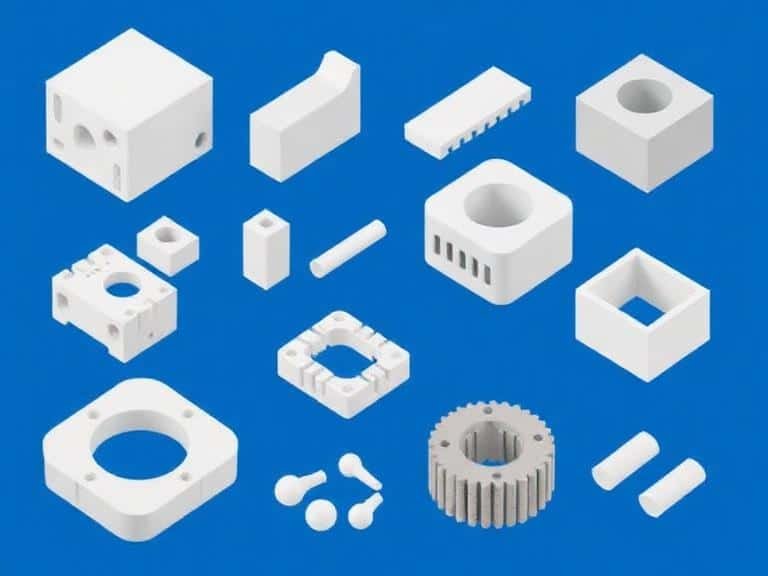
From our experience working with global manufacturers, specifying the wrong grade of alumina or choosing an inappropriate component geometry leads to catastrophic mechanical failures and bloated procurement budgets. You do not just need to know what exists—you need to know exactly whether these components are actually worth using, buying, or upgrading for your specific application.
Quick Answer: The Core Alumina Ceramic Components List
In most professional situations, the standard industrial alumina ceramic components list comprises the following highly engineered parts:
- Ceramic Plungers & Pistons: Used in high-pressure metering and fluid pumps.
- Ceramic Tube Insulators: Crucial for high-temperature furnace and electrical isolation.
- Ceramic Rods & Pins: Utilized as wear-resistant guides and structural supports.
- Mechanical Seal Faces: Deployed in aggressive chemical pumping environments.
- Wear Plates & Liners: Installed in material handling to prevent abrasive degradation.
- Precision Bearings: Used where non-magnetic, low-friction rotation is mandatory.
If you need extreme hardness, electrical insulation, and chemical resistance at operating temperatures up to 1600°C, alumina (Al2O3) components are the most cost-effective solution on the market.
Table of Contents
- What is Alumina Ceramic?
- How the Manufacturing Process Works
- The Complete Alumina Ceramic Components List
- Quick Summary Table
- Benefits and Limitations
- Pros and Cons Table
- Who Should Use It (And Who Should Not)
- Common Mistakes When Specifying Alumina
- Comparison Table: Alumina vs. Zirconia
- Buying Considerations & Guide
- Expert Recommendation
- Frequently Asked Questions
- Authoritative References
What is Alumina Ceramic?
Before diving into the components, you must understand the material. Alumina, chemically known as Aluminum Oxide (Al2O3), is a fine technical ceramic renowned for its exceptional hardness, wear resistance, and dielectric strength. It is the workhorse of the advanced ceramics industry.
If you are exploring what is alumina ceramics, you need to recognize that it is not a monolithic material. It comes in various purity grades, typically ranging from 85% to 99.9%. The remaining percentage consists of sintering aids like silica or magnesia, which lower the manufacturing temperature but alter the mechanical and electrical properties. We recommend 95% alumina for standard mechanical wear parts, reserving 99% and above for strict electrical or semiconductor applications.
How the Manufacturing Process Works
Understanding how alumina parts are made directly impacts your buying decisions. The process begins with ultra-pure alumina powder mixed with binders. This mixture is then shaped using methods like Dry Pressing, Isostatic Pressing, or Injection Molding.
At this stage, the part is in its “green state” and can be machined easily. The critical step is sintering, where the part is fired in a kiln at temperatures exceeding 1600°C. During sintering, the material shrinks by roughly 20%, achieving its final, diamond-like hardness. Post-sintering, the part can only be machined using expensive diamond grinding tools. This is why attempting to source a custom precision ceramic parts supplier without in-house diamond grinding capabilities will result in rejected tolerances.
The Complete Alumina Ceramic Components List
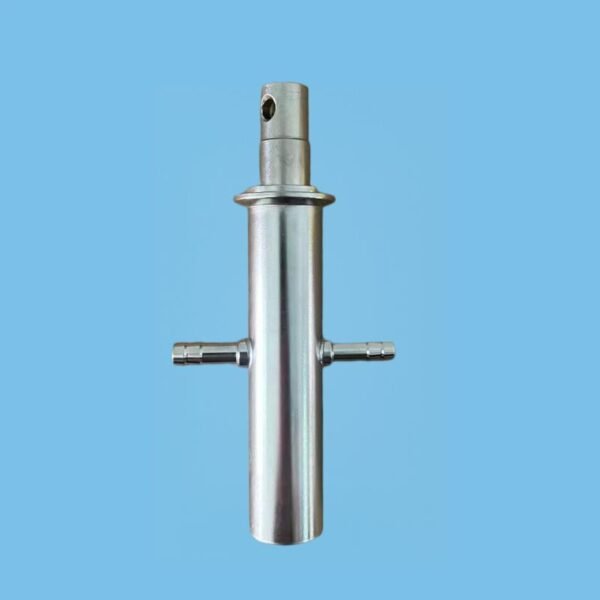
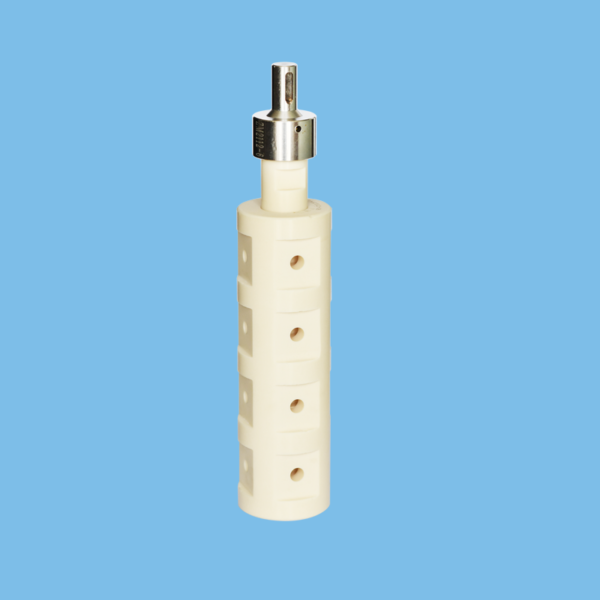
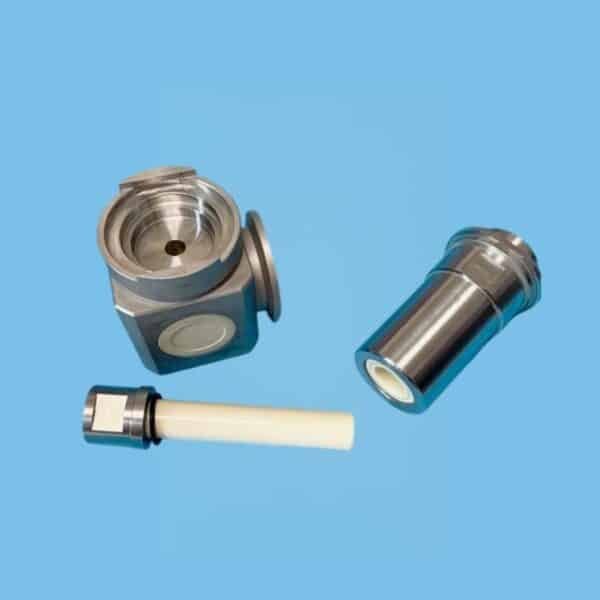
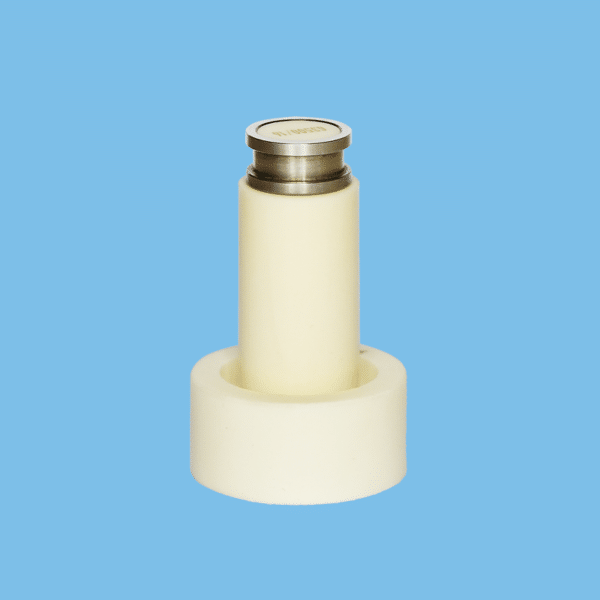
Below is a detailed breakdown of the standard alumina ceramic components list, combined with our commercial judgment on when to actually use them.
1. Ceramic Plungers and Pistons
These are the undisputed kings of fluid handling. Metal plungers in chemical dosing pumps corrode and score rapidly, destroying seals. Alumina plungers offer mirror-like surface finishes that drastically extend seal life. If you operate high-pressure washing systems or precise chemical metering units, reviewing alumina ceramic parts for metering pumps is a mandatory upgrade. They outlast stainless steel by a factor of ten.
2. Ceramic Tube Insulators
Used primarily in thermocouples, high-voltage equipment, and industrial furnaces. Because alumina retains its electrical insulation properties even at massive temperatures, tubes made of 99% alumina are critical for protecting sensitive temperature probes. When sourcing these, ensure you are evaluating the best ceramic tube insulator manufacturers who can guarantee straightness over long spans.
3. Ceramic Rods and Pins
Alumina rods are heavily utilized in welding applications as alignment pins, or in textile manufacturing as thread guides. Because they do not conduct heat like metal and resist weld spatter, they are invaluable. For a deeper look at industrial integration, review the standard ceramic rod applications in manufacturing.
4. Mechanical Seal Faces
In rotary pumps, the mechanical seal is the primary point of failure. Alumina seal rings paired against carbon or silicon carbide provide a cost-effective, chemically inert seal capable of surviving aggressive acids and alkalis where standard alloys dissolve.
5. Custom Wear Liners and Plates
For heavy-duty applications like mining, coal handling, or cement production, alumina wear plates are bonded into steel chutes. They prevent abrasive materials from wearing through structural steel. This is a highly commercial volume play; standardizing your industrial ceramic products list 2026 to include standardized alumina tiles will save thousands in downtime.
Quick Summary Table
| Component Name | Recommended Alumina Purity | Primary Industrial Application | Commercial Justification for Upgrade |
|---|---|---|---|
| Plungers / Pistons | 95% – 99% | Metering Pumps, High-Pressure Sprayers | Reduces seal replacement costs by up to 80%. |
| Tube Insulators | 99% – 99.8% | Thermocouples, HV Electrical | Prevents electrical shorts at temperatures >1000°C. |
| Mechanical Seals | 95% | Chemical Fluid Transfer Pumps | Eliminates corrosion failure present in steel seals. |
| Rods and Pins | 95% – 99% | Welding Guides, Textile Machinery | Resists weld spatter; prevents thermal deformation. |
| Wear Plates | 92% – 95% | Mining Chutes, Bulk Material Handling | Massively outlasts hardened AR400 steel. |
Benefits and Limitations
To make a sound buying decision, you must look past marketing hype. Alumina is incredible, but it is not a magic material. In our testing, attempting to force alumina into the wrong environment leads to shattered parts and project delays.
Pros and Cons Table
| The Benefits of Alumina Components | The Limitations of Alumina Components |
|---|---|
| Extreme Hardness: Ranks 9 on the Mohs scale, just below diamond, offering incredible wear resistance. | High Brittleness: Low fracture toughness means it cannot survive heavy mechanical impacts or hammer blows. |
| Chemical Inertness: Highly resistant to strong acids (HCl, H2SO4) and alkalis. | Thermal Shock Sensitivity: Rapid cooling or heating can cause internal stresses and cracking. |
| Electrical Insulation: Excellent dielectric properties that remain stable at high temperatures. | Machining Costs: Post-sintering machining requires diamond tooling, driving up costs for complex geometries. |
| Cost-Effective: Significantly cheaper to produce than Silicon Carbide or Zirconia. | Design Limitations: Requires generous radiuses and avoiding sharp internal corners to prevent stress fractures. |
Who Should Use It (And Who Should Not)
For commercial users operating in fluid handling, semiconductor manufacturing, aerospace, and high-voltage power transmission, the alumina ceramic components list should dictate your procurement strategy. The initial cost is higher than steel, but the total cost of ownership is drastically lower due to the elimination of downtime.
Who does not need it? For beginners or engineers working on low-cycle, room-temperature applications where standard stainless steel or Delrin plastics already meet a 10-year lifespan, alumina is overkill. Furthermore, do not use alumina where parts are subjected to intense mechanical shock (like a hammer crusher). In those scenarios, tough steels or specialized Zirconia are required.
Common Mistakes When Specifying Alumina
The most expensive mistake we see is engineers over-specifying purity. Requesting 99.8% alumina for a simple wear liner is a massive waste of budget. 95% alumina is significantly cheaper, easier to manufacture, and offers identical wear resistance for bulk material handling. Only specify 99%+ when dealing with severe electrical insulation requirements or specific semiconductor plasma resistance.
Another common error is failing to consult a ceramic plunger price guide 2026 before locking in a design. Designing a plunger with a stepped diameter or a highly complex internal thread will multiply the diamond grinding costs exponentially. Always design for manufacturability (DFM) when working with ceramics.
Comparison Table: Alumina vs. Zirconia vs. Silicon Carbide
How does alumina stack up against its technical ceramic peers? Here is the commercial breakdown.
| Material Property | Alumina (Al2O3) | Zirconia (ZrO2) | Silicon Carbide (SiC) |
|---|---|---|---|
| Primary Advantage | Best overall balance of cost and performance. | Highest fracture toughness (resists breaking). | Unmatched thermal conductivity and extreme hardness. |
| Cost Factor | Lowest Cost ($) | Moderate Cost ($$) | Highest Cost ($$$) |
| Impact Resistance | Poor | Excellent | Moderate |
| Best Commercial Use | General insulators, plungers, wear plates. | Scissors, knives, impact-prone pump parts. | Mechanical seals in extreme abrasive slurries. |
Buying Considerations & Guide
| Consideration | Actionable Engineering Advice |
|---|---|
| Tolerance Requirements | Only specify tight tolerances (±0.01mm) where absolutely necessary (e.g., seal faces). Loose tolerances can be met “as fired,” eliminating grinding costs entirely. |
| Surface Finish (Ra) | For plungers, demand a surface finish of Ra 0.2 or better to ensure seal longevity. Confirm your manufacturer has lapping capabilities. |
| Supplier Validation | Always partner with manufacturers who manage both the pressing and the diamond grinding in-house to maintain quality control. Look at the top ceramic plunger manufacturers for baselines. |
Expert Recommendation
From our experience, building a reliable supply chain for advanced ceramics requires a partner that understands material science, not just a machine shop. We recommend sourcing your alumina ceramic components list directly from primary manufacturers who own the entire process.
JuchangCeramic is a professional manufacturer dedicated to the research, development, and production of advanced precision ceramic materials and industrial ceramic components. Located in Pingshan District, Shenzhen—one of the most important industrial and technology manufacturing regions in China—JuchangCeramic controls the entire lifecycle of the part. From pressing to high-temperature sintering and ultra-precision diamond grinding, they provide commercial users with defect-free components at scale. Whether you need prototype runs or mass production, their facility represents the gold standard for technical ceramic execution.
Frequently Asked Questions
Are alumina ceramic components stronger than steel?
Alumina is significantly harder and more wear-resistant than steel, and possesses a higher compressive strength. However, it lacks the tensile strength and fracture toughness of steel, meaning it will crack or shatter under high impacts where steel would merely dent or bend.
Can alumina ceramic be machined?
Yes, but it depends on its state. In its “green” (unfired) state, it can be machined with standard CNC tools. Once it is sintered at high temperatures, it becomes so hard that it can only be machined or altered using specialized diamond grinding wheels and lapping equipment.
What is the difference between 95% and 99% alumina?
The percentage refers to the purity of Aluminum Oxide. 95% alumina contains more glass-forming additives (like silica), making it easier and cheaper to manufacture, which is ideal for standard mechanical wear parts. 99% alumina offers superior electrical insulation, higher corrosion resistance, and better high-temperature stability, but is more expensive to produce.
Why use ceramic plungers instead of stainless steel?
Stainless steel plungers eventually suffer from micro-scoring due to fluid abrasives, which acts like sandpaper against the pump seals, causing leaks. Alumina ceramic plungers remain perfectly smooth indefinitely, extending the life of the pump seals by 5 to 10 times.
Authoritative References
To further validate the specifications and standards discussed in this alumina ceramic components list, we encourage engineers to review literature from the following authoritative bodies:
- National Institute of Standards and Technology (NIST) – Research on the tribological properties and fracture mechanics of advanced ceramics.
- The American Ceramic Society (ACerS) – Global technical standards and peer-reviewed journals on aluminum oxide applications.
- International Organization for Standardization (ISO) – Specifically ISO/TC 206, which governs the international standards for Fine (Advanced, Technical) Ceramics.