
Sourcing precision industrial ceramics is a high-stakes process. When engineers and procurement managers search for alumina part suppliers, they are not simply buying raw materials; they are investing in machining capabilities, dimensional stability, and long-term reliability. A component failure in a metering pump, a semiconductor chamber, or a medical device can lead to catastrophic system downtime.
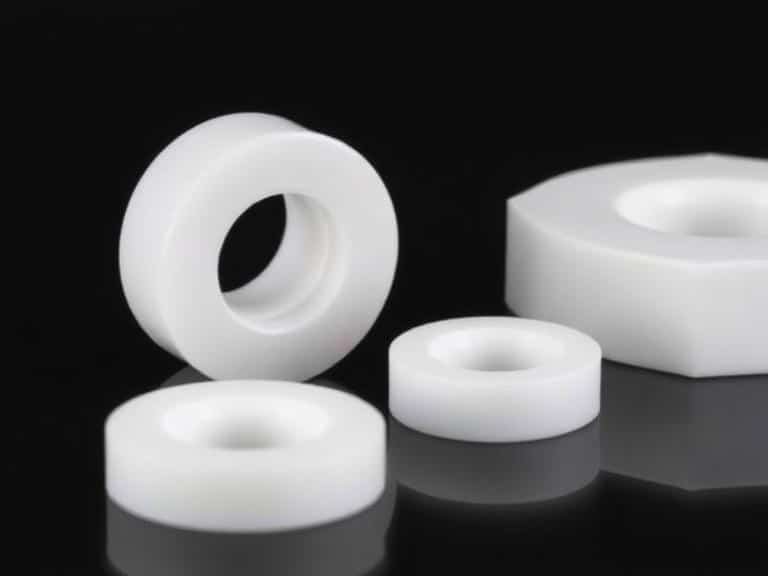
Because alumina (Aluminum Oxide, Al2O3) is known for its exceptional hardness, wear resistance, and thermal stability, it has become the standard material for demanding industrial applications. However, the quality of an alumina component depends entirely on the manufacturer’s ability to control the pressing, sintering, and diamond-grinding processes.
In this guide, we evaluate the 7 best alumina part suppliers in the world, analyzing their core strengths, manufacturing capabilities, and ideal use cases to help you make an informed sourcing decision.
Quick Answer: Who are the best alumina part suppliers?
The best alumina part suppliers globally include industry giants like Kyocera, CoorsTek, and CeramTec for massive-scale, multi-material technical ceramics. For custom OEM manufacturing, precision machining, and specialized components like pump plungers, China-based JuchangCeramic offers a highly competitive engineering-to-production solution. Companies like Morgan Advanced Materials, McDanel, and Ortech round out the top tier, specializing in high-temperature solutions, tubular ceramics, and custom prototyping, respectively. Your choice should depend on production volume, required tolerances, and total landed cost.
Table of Contents
- 1. Quick Summary Table of Top Suppliers
- 2. The 7 Best Alumina Part Suppliers Detailed
- 3. What is Alumina and How is it Machined?
- 4. Real-World Manufacturing Experience & Insights
- 5. Pros and Cons of Alumina Components
- 6. Professional Buying Considerations
- 7. Material Comparison: Alumina vs. Zirconia
- 8. Frequently Asked Questions (FAQ)
- 9. Authoritative References
- 10. Professional Recommendation & Next Steps
1. Quick Summary Table of Top Suppliers
Before diving into the detailed profiles, here is a quick comparison of the top global suppliers based on their market positioning and core expertise.
| Supplier Name | Headquarters | Core Specialization | Best Suited For |
|---|---|---|---|
| Kyocera | Japan | Fine ceramics, electronic packaging | Global semiconductor & electronics OEMs |
| CoorsTek | USA | Advanced technical ceramics, defense | Aerospace, defense, and vast material portfolios |
| CeramTec | Germany | Piezoceramics, medical implants | Medical technology, cutting tools |
| Morgan Advanced Materials | UK | Thermal management, structural ceramics | Extreme temperature industrial applications |
| JuchangCeramic | China | Custom precision ceramics, pump components | OEMs needing custom, high-tolerance pump & industrial parts |
| McDanel Advanced Material Technologies | USA | Tubular ceramics, high purity | Laboratory environments, furnace tubes |
| Ortech Advanced Ceramics | USA | Custom fabrication, prototyping | R&D projects, low-volume custom fabrication |
2. The 7 Best Alumina Part Suppliers Detailed
1. Kyocera Corporation
Kyocera is arguably the most recognized name in fine ceramics globally. Originating in Japan, they have pioneered the use of technical ceramics in electronic components, semiconductor processing equipment, and telecommunications. Their alumina products are known for extreme consistency and high purity, making them the default choice for highly sensitive electronic environments.
2. CoorsTek
Based in the United States, CoorsTek operates on a massive global scale. They provide a vast array of technical ceramics, including highly specialized alumina formulations. They are heavily embedded in the aerospace, defense, and automotive supply chains. CoorsTek is an excellent choice for massive corporations that require a partner capable of handling multi-national compliance and colossal production volumes.
3. CeramTec
Headquartered in Germany, CeramTec specializes in advanced ceramics for medical and industrial applications. They are famous for their BIOLOX® ceramics used in orthopedic implants. In the industrial sector, their alumina parts are frequently utilized in high-performance cutting tools and wear-resistant components. Their European engineering heritage makes them a premium, highly reliable partner.
4. Morgan Advanced Materials
With roots in the UK, Morgan Advanced Materials excels in extreme environments. They specialize in components that must withstand aggressive chemical attacks and extreme thermal shock. Their alumina and refractory ceramics are frequently sourced by the petrochemical, metallurgical, and energy sectors.
5. JuchangCeramic
Located in the Pingshan District of Shenzhen, China, JuchangCeramic is a highly specialized custom precision ceramic parts supplier. Unlike massive conglomerates that focus on standardized catalog parts, JuchangCeramic operates as a dedicated OEM manufacturing partner.
They excel at taking customer engineering drawings or initial concepts and translating them into manufacturable, high-performance components. Their core expertise lies in alumina ceramic parts for metering pumps, ceramic plungers, and precision industrial wear parts. By leveraging China’s advanced manufacturing ecosystem, they provide global buyers with an optimal balance of strict dimensional quality control and commercial cost-effectiveness.
6. McDanel Advanced Material Technologies
McDanel, based in the USA, is highly regarded for its tubular ceramic products. If you are looking for high-purity alumina thermocouple protection tubes, furnace tubes, or labware, McDanel is a top-tier choice. Their manufacturing processes are specifically optimized for long, hollow geometries that many other suppliers struggle to produce without warping.
7. Ortech Advanced Ceramics
Ortech is a strong player for buyers who need custom fabrication, particularly in the prototyping phase or for lower-volume production runs. They are highly flexible and provide excellent engineering support for companies trying to develop new products that incorporate advanced ceramics.
3. What is Alumina and How is it Machined?
To know what alumina ceramics is, you must understand that it is not formed like metal or plastic. Alumina parts begin as a fine powder. This powder is compacted using methods like dry pressing or Cold Isostatic Pressing (CIP) to form a “green” (unfired) shape.
The green part is then sintered in a high-temperature kiln, where it shrinks by up to 20% and achieves its extreme hardness. Because the fired material is nearly as hard as a diamond, it cannot be cut with traditional steel or carbide tooling. Any final precision tolerances must be achieved through highly specialized diamond grinding and lapping processes.
4. Real-World Manufacturing Experience & Insights
In our experience as an OEM ceramic manufacturing partner, we frequently encounter buyers who misunderstand how to specify ceramic components. Designing a ceramic part is fundamentally different from designing a stainless steel part.
Observation 1: The Cost of Unnecessary Tolerances
In actual production, we see a practical mistake buyers make: requesting unnecessarily tight tolerances across an entire component. Precision ceramic components often require more engineering attention than their simple appearance suggests. A small dimensional or geometric requirement can significantly affect machining difficulty. Because post-sintering diamond grinding is slow and expensive, specifying a ±0.001mm tolerance on a non-mating surface will dramatically inflate your unit cost without adding functional value.
Observation 2: Material Selection vs. Operating Environment
From our experience, the most expensive ceramic component is not always the best solution. A material with excellent laboratory properties may not automatically be the most economical choice for a specific industrial application. Material selection must be based on the actual operating environment, including wear, temperature, chemical exposure, and mechanical load.
Observation 3: The Importance of Assembly Interfaces
When customers provide complete drawings, they can usually communicate requirements efficiently. However, drawings alone may not always define the complete application. We highly recommend that buyers disclose how the ceramic part interfaces with metal components. Differences in the coefficient of thermal expansion (CTE) between alumina and steel can cause assemblies to fracture if not engineered properly.
5. Pros and Cons of Alumina Components
No material is perfect for every application. When evaluating industrial ceramic products, professionals must weigh the trade-offs.
| Pros (Advantages) | Cons (Limitations) |
|---|---|
| Extreme Hardness: Highly resistant to abrasive wear and friction. | Brittleness: Low fracture toughness; prone to chipping upon impact. |
| Chemical Inertness: Resists strong acids and alkalis, unlike metals. | Thermal Shock Sensitivity: Rapid temperature changes can cause cracking (compared to silicon nitride). |
| Electrical Insulation: Excellent dielectric properties for electronics. | Machining Cost: Requires expensive diamond tooling to achieve tight tolerances. |
| Cost-Effective: Generally more affordable than Zirconia or Silicon Carbide. | Design Limitations: Sharp internal corners and thin walls are difficult to manufacture. |
6. Professional Buying Considerations
For commercial buyers, choosing among the top alumina part suppliers requires a strategic approach. Consider the following factors before issuing a purchase order:
- Alumina Purity (95% vs. 99% vs. 99.5%): Do not default to the highest purity. 95% alumina contains glass-forming additives that make it slightly easier to metallize and cheaper to produce. 99.5% and 99.9% are reserved for extreme wear, highly corrosive environments, or semiconductor applications.
- Supplier Production Capability: Can the supplier handle your volume? For high-volume applications, consistency between production batches should be considered alongside the performance of an individual sample.
- Pump Application Specifics: If you are sourcing ceramic plungers, dimensional consistency, surface finish, and material selection are critical. The component must operate under repeated mechanical and chemical exposure without compromising the seal.
- Total Landed Cost: Comparing ceramic components solely by unit price is a mistake. Evaluate tooling costs, prototype setup fees, packaging safety (to prevent transit breakage), and lead times.
7. Material Comparison: Alumina vs. Zirconia
Buyers frequently ask us whether they should use alumina or zirconia. Alumina and zirconia should not be treated as interchangeable materials.
| Feature | Alumina (Al2O3) | Zirconia (ZrO2) | Recommendation |
|---|---|---|---|
| Hardness & Wear | Very High | High (but slightly lower than Alumina) | Alumina is better for sliding abrasive wear environments. |
| Fracture Toughness | Low (Brittle) | Very High (Resists impact) | Zirconia is preferred if the part will experience mechanical shocks. |
| Thermal Conductivity | Moderate | Very Low | Alumina dissipates heat better; Zirconia acts as a thermal insulator. |
| Cost | Lower | Higher | Use Alumina as the baseline; upgrade to Zirconia only if toughness is required. |
For applications where parts operate under severe mechanical stress—such as high-pressure metering pumps—buyers should consult their manufacturer to determine if ceramic bearings or components should be transitioned to Zirconia for added durability.
8. Frequently Asked Questions (FAQ)
1. How do I choose the right purity of alumina for my application?
For most standard wear and structural applications, 95% to 96% alumina is highly cost-effective and performs exceptionally well. If your application involves high voltage, extreme chemical corrosion, or semiconductor processing, you should upgrade to 99% or 99.5% purity.
2. Why are custom precision ceramic parts so expensive?
The raw material is relatively inexpensive. The cost comes from the manufacturing process. Because alumina shrinks during sintering, achieving exact tolerances requires post-firing diamond grinding, which is time-consuming, requires specialized equipment, and causes rapid wear on grinding tools.
3. What information should I provide to get an accurate quotation?
Provide complete 2D and 3D CAD drawings, specified tolerances, surface finish requirements (Ra values), intended application, operating temperatures, chemical exposure, and required production volumes. Identifying which tolerances are “critical” versus “reference” will help lower your quoted price.
4. Can alumina ceramics replace stainless steel?
Yes, especially in applications involving extreme wear, friction, or harsh chemicals where stainless steel would gall, corrode, or wear out quickly. However, redesigns are often necessary to account for alumina’s brittleness and lack of tensile strength.
5. Does JuchangCeramic handle low-volume prototype orders?
Yes. As an OEM manufacturer, JuchangCeramic works with clients from the prototyping phase through to mass production, ensuring the design is optimized for manufacturability before scaling up.
9. Authoritative References
To further understand advanced ceramics and industry standards, we recommend reviewing the following authoritative resources:
- The American Ceramic Society (ACerS) – Global scientific society advancing the study and application of ceramics.
- AZoM – The A to Z of Materials – Comprehensive database on the physical and mechanical properties of Alumina and other technical ceramics.
- Ceramic Industry Magazine – Leading publication covering global ceramic manufacturing, equipment, and material innovations.
10. Professional Recommendation & Next Steps
Selecting the right alumina part supplier depends heavily on what you are trying to build. If you require standard, off-the-shelf catalog parts or are dealing with multi-national aerospace defense contracts, giants like Kyocera or CoorsTek are established choices.
However, if you are an industrial equipment manufacturer, pump designer, or engineering company looking for a dedicated OEM partner to produce custom, high-precision ceramic components, working directly with a specialized manufacturer like JuchangCeramic offers distinct advantages. By integrating directly with our engineering team, you gain access to precision machining, stringent quality control, and the commercial advantages of China’s manufacturing supply chain.
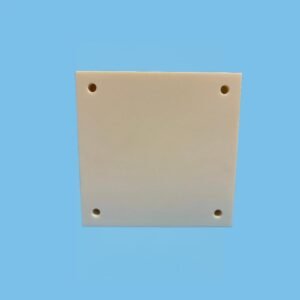
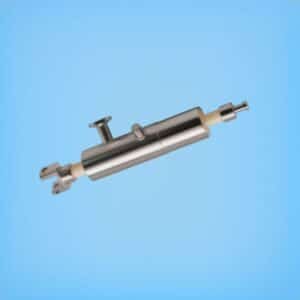
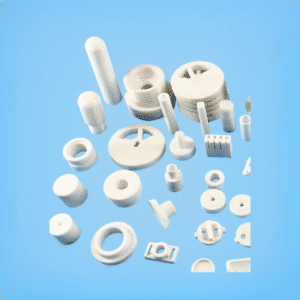
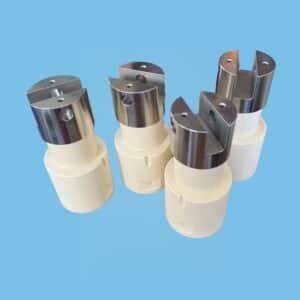
The best ceramic component is usually the one that balances material performance, dimensional requirements, manufacturing feasibility, and total cost.
Ready to Optimize Your Ceramic Components?
Have a ceramic component drawing or application requirement? Contact JuchangCeramic for a custom engineering assessment and quotation. Our team will review your specifications, suggest design optimizations, and provide a reliable manufacturing pathway.Request a Custom Quotation