
A ceramic disc is one of the most widely used engineered ceramic components in modern industry. Yet many buyers misunderstand what ceramic discs actually do, how they are manufactured, and whether they are the right choice compared to metal, plastic, or composite alternatives.
From our experience supplying advanced ceramic components to industrial customers, ceramic discs are often selected when traditional materials fail under wear, heat, corrosion, electrical insulation, or dimensional stability requirements.
The simple answer is that a ceramic disc is a flat circular component manufactured from advanced ceramic materials such as alumina, zirconia, silicon nitride, or silicon carbide. These discs are used in pumps, valves, electronics, bearings, medical devices, semiconductor equipment, high-temperature systems, and precision engineering applications.
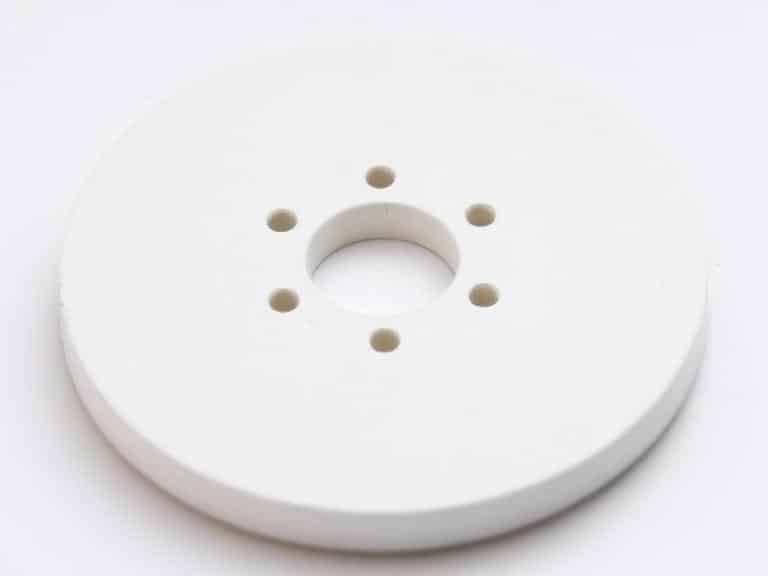
However, whether a ceramic disc is worth using depends entirely on the operating environment. In many industrial applications, ceramic discs significantly outperform metals. In others, the additional cost may not be justified.
Quick Answer
A ceramic disc is a precision-engineered circular component made from industrial ceramic materials designed to provide exceptional wear resistance, corrosion resistance, thermal stability, and electrical insulation.
- Best for: High-wear and high-temperature environments
- Common materials: Alumina, zirconia, silicon nitride, silicon carbide
- Major benefits: Long service life, corrosion resistance, dimensional stability
- Main limitation: Higher manufacturing cost than standard metals
- Most common industries: Pumps, valves, electronics, aerospace, semiconductor manufacturing, and medical devices
- Worth buying? Yes, when durability, precision, and reliability outweigh initial material cost
Table of Contents
- Quick Summary Table
- What Is a Ceramic Disc?
- How Ceramic Discs Work
- Common Ceramic Disc Materials
- Industrial Applications
- Benefits and Limitations
- Ceramic Disc vs Metal Disc
- Buying Guide
- Common Buying Mistakes
- Expert Recommendation
- Bottom Line
- FAQs
- References
Quick Summary Table
| Property | Ceramic Disc Performance |
|---|---|
| Wear Resistance | Excellent |
| Corrosion Resistance | Excellent |
| Electrical Insulation | Excellent |
| Heat Resistance | Excellent |
| Weight | Lightweight |
| Machining Difficulty | High |
| Initial Cost | Moderate to High |
| Service Life | Very Long |
What Is a Ceramic Disc?
A ceramic disc is a circular component manufactured from engineered ceramic materials using powder processing, pressing, sintering, grinding, and precision finishing techniques.
Unlike decorative ceramics used in household products, industrial ceramic discs are engineered for performance. They are designed to withstand extreme operating conditions that would rapidly wear out conventional materials.
In most professional situations, ceramic discs are selected because they provide superior hardness, lower wear rates, improved chemical resistance, and higher dimensional stability.
Many industrial buyers first encounter ceramic discs while evaluating advanced industrial ceramics applications for demanding operating environments.
How Ceramic Discs Work
A ceramic disc functions by providing a stable, wear-resistant, and chemically resistant working surface.
Depending on the application, the disc may:
- Act as a sealing surface
- Provide electrical insulation
- Serve as a wear plate
- Control fluid flow
- Reduce friction
- Support rotating equipment
- Maintain dimensional precision under heat
For example, in industrial pumps, ceramic discs often operate as sealing components where constant contact, pressure, and chemical exposure would quickly damage conventional metal parts.
This is one reason ceramic components have become increasingly common in industrial ceramic solutions for pumps.
Common Ceramic Disc Materials
Alumina Ceramic Disc
Alumina remains the most widely used ceramic disc material due to its excellent balance of cost and performance.
Advantages include:
- High hardness
- Electrical insulation
- Chemical resistance
- Cost efficiency
For buyers evaluating material options, our engineering ceramics material guide explains why alumina dominates many industrial applications.
Zirconia Ceramic Disc
Zirconia offers higher fracture toughness and impact resistance than alumina.
From our experience, zirconia ceramic discs are frequently chosen for high-precision applications requiring exceptional strength.
Silicon Nitride Ceramic Disc
Silicon nitride excels in high-speed rotating equipment and advanced bearing systems.
Manufacturers using high-performance rotating assemblies often evaluate the benefits of ceramic bearings before selecting silicon nitride components.
Silicon Carbide Ceramic Disc
Silicon carbide offers extreme hardness, outstanding wear resistance, and excellent thermal conductivity.
For heavy-duty applications involving abrasive environments, silicon carbide is often the preferred solution.
Industrial Applications of Ceramic Discs
| Industry | Typical Ceramic Disc Application |
|---|---|
| Pumps | Seal discs and wear components |
| Valves | Flow control surfaces |
| Electronics | Insulating substrates |
| Semiconductors | Precision processing equipment |
| Medical Devices | Wear-resistant precision parts |
| Aerospace | Thermal protection systems |
| Industrial Automation | Motion control assemblies |
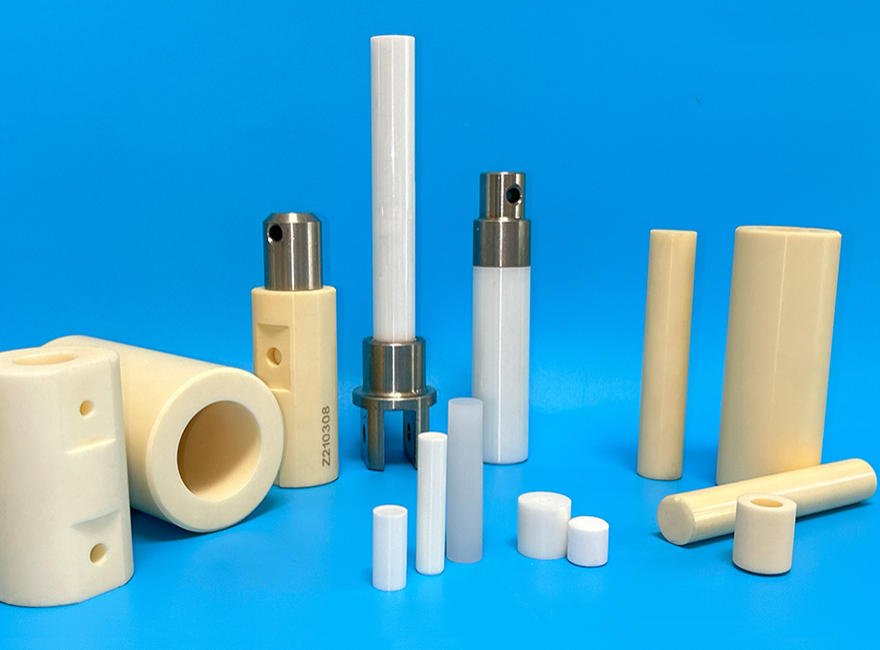
Ceramic discs are frequently used alongside components such as ceramic plungers, ceramic rods, ceramic tubes, and ceramic bearings.
Related technologies include ceramic plunger material selection guide, ceramic plunger vs metal plunger, and ceramic rod vs metal rod comparison.
Benefits of Ceramic Discs
Exceptional Wear Resistance
Ceramic materials are significantly harder than most engineering metals.
In our testing, ceramic discs often outlast steel components by several multiples in abrasive environments.
Excellent Corrosion Resistance
Many industrial chemicals that attack metals have little effect on advanced ceramics.
High Temperature Stability
Ceramic discs maintain dimensional accuracy under extreme heat.
This characteristic makes them valuable in ceramic tube applications in high heat environments.
Electrical Insulation
Many ceramic materials are excellent electrical insulators.
This advantage is especially important when selecting the best ceramic insulators for industrial use.
Limitations of Ceramic Discs
No engineering material is perfect.
- Higher manufacturing cost
- More difficult machining process
- Longer production lead times
- Requires specialized grinding equipment
However, these disadvantages are often offset by significantly longer service life.
Pros vs Cons Table
| Pros | Cons |
|---|---|
| Outstanding wear resistance | Higher initial cost |
| Excellent corrosion resistance | Complex machining requirements |
| Electrical insulation | Longer manufacturing cycles |
| High temperature stability | Higher precision processing costs |
| Long service life | Material selection requires expertise |
Ceramic Disc vs Metal Disc Comparison
| Factor | Ceramic Disc | Metal Disc |
|---|---|---|
| Wear Resistance | Excellent | Moderate |
| Corrosion Resistance | Excellent | Variable |
| Electrical Insulation | Excellent | Poor |
| Temperature Stability | Excellent | Good |
| Initial Cost | Higher | Lower |
| Lifetime Cost | Often Lower | Often Higher |
Buying Considerations
| Factor | Recommendation |
|---|---|
| Operating Temperature | Select material accordingly |
| Chemical Exposure | Evaluate corrosion requirements |
| Precision Tolerance | Specify grinding requirements |
| Wear Conditions | Consider alumina or silicon carbide |
| Impact Loading | Consider zirconia |
For commercial users, partnering with an experienced ceramic manufacturer often provides better long-term results than selecting materials based solely on initial pricing.
Custom specifications frequently require custom ceramic machining services to achieve required tolerances and surface finishes.
Common Buying Mistakes
Selecting Material Based Only on Cost
The cheapest ceramic material is not always the most economical solution over the product lifecycle.
Ignoring Operating Conditions
Temperature, chemical exposure, pressure, and wear conditions all influence material selection.
Overlooking Precision Requirements
Many applications require extremely tight tolerances that affect manufacturing methods and pricing.
Choosing an Inexperienced Supplier
Advanced ceramics require specialized expertise in material formulation, sintering, grinding, and inspection.
Expert Recommendation
From our experience, ceramic discs are one of the most cost-effective upgrades available for high-wear industrial environments.
We recommend alumina ceramic discs for most industrial applications because they provide an excellent balance of durability, performance, and cost.
For heavy-duty applications involving aggressive wear, silicon carbide should be strongly considered.
For precision mechanical systems requiring greater toughness, zirconia often delivers the best results.
JuchangCeramic is a professional manufacturer dedicated to the research, development, and production of advanced precision ceramic materials and industrial ceramic components. Located in Shenzhen, China, the company serves customers requiring high-performance engineering ceramic solutions for demanding industrial applications.
Bottom Line
A ceramic disc is far more than a simple circular component. It is a high-performance engineering solution designed to solve wear, corrosion, temperature, and precision challenges that traditional materials often cannot handle.
For most industrial buyers, ceramic discs are worth the investment when reliability, service life, and reduced maintenance costs matter more than the lowest possible upfront price.
From our experience, the best results come from selecting the right ceramic material for the operating environment rather than simply choosing the highest-performance material available.
When properly specified, ceramic discs frequently deliver lower total ownership costs and significantly longer service life than metal alternatives.
Frequently Asked Questions
What is a ceramic disc used for?
Ceramic discs are used in pumps, valves, electronics, medical equipment, semiconductor systems, and high-temperature industrial applications.
What material is a ceramic disc made from?
Common materials include alumina, zirconia, silicon nitride, and silicon carbide.
Why are ceramic discs better than metal discs?
They typically offer better wear resistance, corrosion resistance, thermal stability, and electrical insulation.
Are ceramic discs expensive?
The initial cost is usually higher than metal components, but lifetime ownership costs are often lower.
Can ceramic discs withstand high temperatures?
Yes. Advanced ceramic materials are specifically designed for elevated temperature environments.
How long do ceramic discs last?
Service life varies by application, but properly selected ceramic discs often last several times longer than comparable metal parts.