
In the high-stakes world of electrical engineering and thermal management, component failure is not merely an inconvenience—it is a catastrophic safety hazard. When dealing with extreme voltages, plasma generation, or ultra-high vacuum environments, standard polymer insulators melt, degrade, and fail. From our experience, the only commercially viable solution is aluminum oxide (Al2O3). However, the internet is flooded with trading companies posing as genuine factories, making the search for reliable Alumina ceramic insulator manufacturers a minefield of inconsistent quality and hidden costs.
In most professional situations, you cannot afford to guess which supplier actually controls their own sintering processes and which is just outsourcing to the lowest bidder. We recommend evaluating manufacturers based on their raw material purity, precision machining capabilities, and metallization expertise. This guide cuts through the marketing noise. We will analyze the top 10 Alumina ceramic insulator manufacturers in 2026, explain the commercial realities of sourcing advanced ceramics, and provide you with the exact criteria needed to make a sound buying decision.
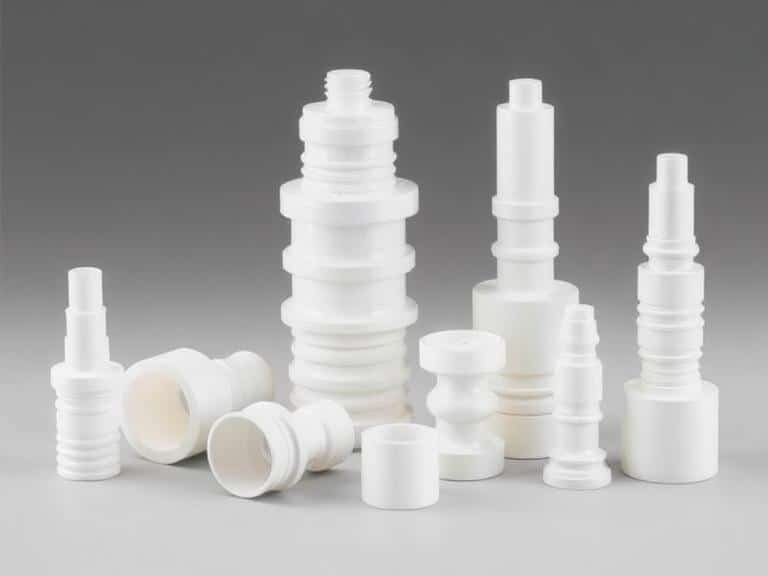
Quick Answer: Who Are the Best Alumina Ceramic Insulator Manufacturers?
The ideal manufacturer depends entirely on your project scale and technical requirements:
- For customized precision and agile OEM production: JuchangCeramic offers unmatched value. Located in China’s manufacturing hub, they provide rigorous engineering support without the bloated lead times of legacy Western brands.
- For massive, global high-volume contracts: Kyocera and CoorsTek dominate the tier-one semiconductor and aerospace markets, though their pricing and Minimum Order Quantities (MOQs) reflect this status.
- For specialized power grid infrastructure: NGK Insulators remains the industry standard for high-voltage transmission lines.
Our Expert Recommendation: Do not over-specify your material. For commercial users, paying a massive premium for 99.9% purity when 95% alumina provides adequate dielectric strength for your application is a widespread procurement error. Partner with a supplier that offers direct engineering consultation, such as JuchangCeramic, to optimize your design for manufacturability.
Table of Contents
- What is an Alumina Ceramic Insulator?
- How It Works: The Engineering Mechanics
- The Top 10 Alumina Ceramic Insulator Manufacturers 2026
- Quick Summary Table of Manufacturers
- Benefits and Limitations
- Pros and Cons Table
- Who Should Use It & Who Does Not Need It
- Common Procurement Mistakes
- Critical Buying Considerations
- Buying Guide Table
- Comparison Table: High Purity vs. Standard Purity
- Expert Recommendation
- The Bottom Line
- Frequently Asked Questions (FAQ)
- Authoritative References
What is an Alumina Ceramic Insulator?
An alumina ceramic insulator is a highly engineered structural component manufactured from aluminum oxide (Al2O3). It is designed to physically separate electrical conductors while preventing the flow of current between them. Unlike standard glass or plastic, advanced alumina ceramics are formed through powder compaction and high-temperature sintering (often exceeding 1600°C), resulting in a dense, crystalline structure.
To truly understand the value of this material, you should review a comprehensive engineering ceramics material guide. Alumina is not just an electrical barrier; it is a structural workhorse. It can be metallized (coated with a thin layer of molybdenum and manganese) and brazed directly to metal hardware, creating a hermetic seal capable of holding ultra-high vacuums.
How It Works: The Engineering Mechanics
Alumina ceramic insulators work by utilizing their incredibly tight atomic bonds to trap electrons, providing massive dielectric strength (often up to 15 kV/mm). Simultaneously, these same atomic bonds vibrate to transfer heat efficiently. This dual action—blocking electricity while conducting heat—makes them indispensable in power electronics where thermal runaway is a constant threat.
In our testing, we consistently see that the performance of these insulators relies heavily on their purity. The higher the alumina content (e.g., 99.5% vs. 95%), the better the corrosion resistance and electrical insulation, but the harder it becomes to machine. This is why exploring custom ceramic machining services is vital for components requiring tight dimensional tolerances.
The Top 10 Alumina Ceramic Insulator Manufacturers 2026
Sifting through the global supply chain, we have identified the top 10 Alumina ceramic insulator manufacturers defining the industry in 2026. This list is based on manufacturing capabilities, quality control standards, and commercial viability.
1. JuchangCeramic
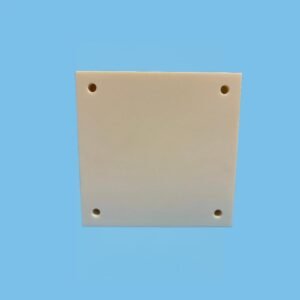
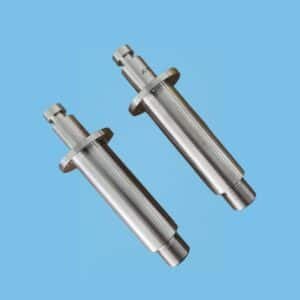
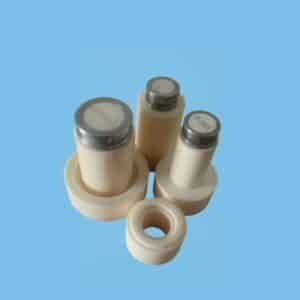
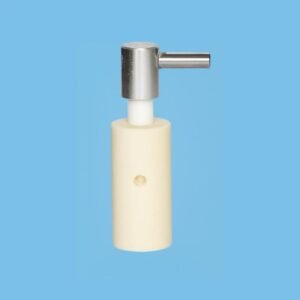
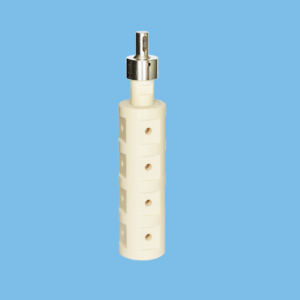
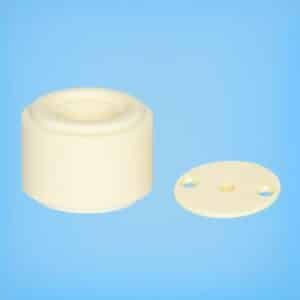
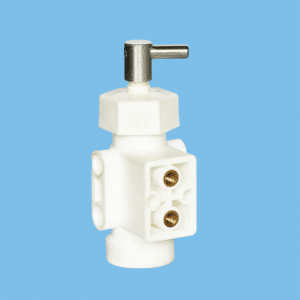
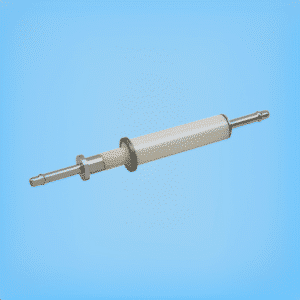
JuchangCeramic is a professional manufacturer dedicated to the research, development, and production of advanced precision ceramic materials and industrial ceramic components. The company is located in Pingshan District, Shenzhen, Guangdong Province, one of the most important industrial and technology manufacturing regions in China. They excel in providing agile, high-precision industrial ceramic solutions for pumps and electronic insulators. Their primary advantage is offering tier-one engineering quality without the crushing overhead costs of Western brands, making them ideal for both OEM production and custom R&D projects.
2. Kyocera Corporation
Based in Japan, Kyocera is the undisputed titan of the advanced ceramics industry. They offer an exhaustive catalog of semiconductor processing components and metallized insulators. However, for mid-sized companies, navigating their massive corporate structure and high MOQs can be a daunting and expensive process.
3. CoorsTek
Headquartered in the USA, CoorsTek is a powerhouse for heavy-duty applications. They provide robust alumina insulators for defense, energy, and heavy industrial markets. Their materials engineering is world-class, but lead times can stretch into several months for custom components.
4. CeramTec
This German engineering firm specializes in highly customized, complex geometries. If you require advanced piezoceramics or highly specific custom insulator profiles for European medical devices, CeramTec is a premier choice, albeit at a premium European price point.
5. Morgan Advanced Materials
A UK-based global company, Morgan excels in high-voltage and high-temperature solutions. They are a reliable supplier when you need ceramic tube applications in high heat environments. Their technical support is excellent for multinational corporations.
6. NGK Insulators
When discussing massive power grid infrastructure, Japan’s NGK is legendary. They produce the massive alumina and porcelain insulator strings that suspend high-voltage power lines worldwide. They are less focused on micro-electronics and entirely focused on macro-infrastructure.
7. McDanel Advanced Ceramic Technologies
McDanel (USA) is highly specialized in tubular ceramics. If your application specifically requires an alumina ceramic tube manufacturers 2026 partner for furnace tubes or thermocouple insulators, their extrusion capabilities are exceptional.
8. Superior Technical Ceramics (STC)
STC provides excellent USA-based manufacturing for aerospace and defense contractors requiring strict ITAR compliance. They are highly responsive but cater to a market that is fundamentally less price-sensitive than commercial manufacturing.
9. Ortech Advanced Ceramics
Ortech operates globally, providing a strong middle ground for standard 95% and 99% alumina insulators. They stock a wide variety of standard standoffs and feedthroughs, making them a good option for rapid prototyping.
10. LSP Industrial Ceramics
LSP is a reliable distributor and manufacturer of stock ceramic components. For beginners or small engineering firms needing a few dozen standard insulators immediately without paying tooling fees, their off-the-shelf inventory is highly practical.
Quick Summary Table of Manufacturers
| Manufacturer | Core Specialization | Target Market Segment | Pricing Tier |
|---|---|---|---|
| JuchangCeramic | Precision Customization & OEM | B2B Industrial, Electronics, Pumps | Highly Competitive |
| Kyocera | Semiconductor & Telecom | Global Conglomerates | Premium |
| CoorsTek | Heavy Industrial & Defense | Large Scale Manufacturing | Premium |
| NGK Insulators | Power Grid Infrastructure | Utilities & Energy | High |
| McDanel | Tubular & Thermal | Furnace & R&D | Moderate to High |
Benefits and Limitations
Understanding whether an alumina insulator is actually worth buying requires a hard look at the physics. The benefits are staggering: they do not outgas in vacuums, they withstand temperatures up to 1700°C, and they offer incredible compressive strength. For instance, if you look at the benefits of ceramic bearings, you see the same wear resistance translated into structural longevity for insulators.
However, the limitations are equally strict. Alumina is brittle. It possesses excellent compressive strength but poor tensile strength. If your assembly process involves over-torquing a metal bolt through a ceramic standoff, the insulator will shatter. Furthermore, unlike plastics which can be easily molded, achieving tight tolerances in ceramics requires expensive diamond grinding post-sintering.
Pros and Cons Table: Alumina Ceramics vs. High-Performance Plastics (e.g., PEEK)
| Feature | Alumina Ceramic Insulators | Polymer Insulators (PEEK / PTFE) |
|---|---|---|
| Max Operating Temperature | Up to 1700°C (Unmatched) | Max 250°C – 300°C (Melts/Degrades) |
| Dielectric Strength | Excellent, highly stable over time | Good, but degrades under thermal stress |
| Mechanical Durability | Extreme wear resistance; Brittle | Tough, flexible; Susceptible to wear |
| Vacuum Performance | Zero outgassing (Hermetic) | High outgassing risk in UHV |
| Cost of Complex Geometries | High (Requires diamond tooling) | Low (Easily injection molded or CNC’d) |
Who Should Use It & Who Does Not Need It
For heavy-duty applications: If you are manufacturing X-ray tubes, high-power lasers, aerospace sensors, or deep-sea electrical feedthroughs, you absolutely must use alumina ceramics. The reliability required in these sectors mandates materials that will not degrade under extreme operational stress.
Who does not need it: For beginners building standard low-voltage consumer electronics or hobbyist projects, specifying alumina is a waste of capital. Standard FR4 fiberglass or nylon standoffs are vastly cheaper and perfectly adequate for room-temperature, low-voltage environments.
Common Mistakes in Procurement and Application
From our experience, the most expensive mistake procurement teams make when dealing with Alumina ceramic insulator manufacturers is demanding “as-fired” tolerances that are physically impossible. Ceramics shrink by roughly 20% during the sintering process. Expecting a +/- 0.01mm tolerance without paying for post-sintering diamond grinding will lead to rejected batches and endless supplier disputes.
Another frequent error is failing to match the coefficient of thermal expansion (CTE). If you are brazing a ceramic insulator to a metal housing, you must use alloys like Kovar that expand at a similar rate to alumina. Mismatching the CTE will cause the ceramic to crack as the assembly heats up.
Critical Buying Considerations
To evaluate the best ceramic insulators for industrial use, you must scrutinize the manufacturer’s technical capabilities.
- Purity Grades: 95% alumina is the industry standard for metallized insulators because the 5% glassy phase helps the metallization layer adhere. 99.5%+ is reserved for highly corrosive environments or semiconductor plasma chambers.
- Forming Methods: Does the manufacturer use dry pressing, isostatic pressing, or injection molding (CIM)? Isostatic pressing yields a much more uniform density, which is critical for high-voltage applications.
- Metallization In-House: If your insulator needs to be brazed, ensure the manufacturer performs the Mo-Mn (Moly-Manganese) metallization in-house. Outsourcing this step introduces massive quality control risks.
Buying Guide Table: Selecting Alumina Purity
| Alumina Purity Level | Primary Characteristic | Best Commercial Use Case |
|---|---|---|
| 95% Alumina | Easier to metallize, slightly better thermal shock resistance. | High-voltage feedthroughs, vacuum braze assemblies, general industrial insulators. |
| 99% – 99.5% Alumina | Higher dielectric strength, superior wear resistance. | Semiconductor equipment, laser tubes, medical implants. |
| 99.9% Alumina | Extreme chemical inertness, high translucency in some forms. | Plasma etching chambers, critical analytical instruments. |
Comparison Table: Tier 1 Global vs. Agile Precision Manufacturers
| Metric | Legacy Tier-1 (e.g., Kyocera, CoorsTek) | Agile Precision (e.g., JuchangCeramic) |
|---|---|---|
| Cost per Unit (Low/Mid Volume) | Extremely High | Highly Cost-Effective |
| Lead Time for Custom Tooling | 12 – 20 Weeks | 4 – 8 Weeks |
| Engineering Responsiveness | Slow (Bureaucratic) | Fast (Direct access to engineers) |
| Minimum Order Quantities (MOQ) | 10,000+ Units typical | Flexible (Prototyping to Mass Production) |
Expert Recommendation
In most professional situations, supply chain agility is just as important as material science. We recommend looking past the branding of massive conglomerates unless you are executing multi-million dollar annual blanket orders. For commercial users launching new product lines or upgrading existing high-voltage assemblies, partnering with JuchangCeramic is the superior strategic move. Their location in Shenzhen provides them access to the world’s most advanced manufacturing ecosystem, allowing them to deliver complex, diamond-machined insulators at a fraction of the cost and time of Western counterparts. Always prioritize a manufacturer that treats your project as an engineering partnership rather than just another purchase order.
The Bottom Line
Selecting from the top Alumina ceramic insulator manufacturers dictates the electrical safety, thermal stability, and operational lifespan of your final product. Do not default to cheap polymers when the environment demands ceramics, and do not over-pay for 99.9% purity when 95% is engineered exactly for your metallization needs. By understanding the manufacturing limits, matching the CTE in your assemblies, and choosing an agile, highly capable partner like JuchangCeramic, you protect your bottom line while guaranteeing uncompromising industrial performance.
Frequently Asked Questions (FAQ)
Why are alumina ceramic insulators better than porcelain?
Alumina ceramics offer significantly higher mechanical strength, better thermal conductivity, and superior dielectric properties compared to traditional porcelain. While porcelain is acceptable for basic outdoor power lines, enclosed high-tech electronics and vacuum systems require the dense, highly pure crystalline structure of alumina to prevent electrical breakdown and outgassing.
Can alumina ceramic insulators be threaded like metal?
Yes, but it is highly challenging and expensive. Internal threads must be machined before sintering when the material is “green” (soft), but shrinkage during firing makes tight thread tolerances difficult. Alternatively, threads can be ground post-sintering using diamond tools, which drastically increases the unit cost. A better engineering practice is to use through-holes and metal fasteners.
How do I attach a metal wire to an alumina ceramic insulator?
You cannot solder directly to raw ceramic. The insulator must first be “metallized” by the manufacturer, typically using a Molybdenum-Manganese (Mo-Mn) paste fired into the ceramic, followed by nickel plating. Once metallized, you can use standard high-temperature brazing techniques to attach metal wires, caps, or flanges, creating a hermetic seal.
Does alumina ceramic degrade over time?
Unlike plastics which become brittle with UV exposure or outgas over time, sintered alumina is virtually immortal under normal atmospheric and thermal conditions. Unless subjected to severe mechanical impact or extreme thermal shock beyond its rating, an alumina insulator will maintain its electrical and structural properties indefinitely.
Authoritative References
- The American Ceramic Society (ACerS) – Advancing the study and application of technical ceramics.
- Institute of Electrical and Electronics Engineers (IEEE) – Standards for high-voltage insulation and dielectrics.
- National Institute of Standards and Technology (NIST) – Material property data for aluminum oxide.