
In high-temperature manufacturing and precision engineering, managing extreme heat is not just a matter of operational efficiency; it is a strict requirement for safety and material integrity. In 2026, the thermodynamic demands placed on industrial barriers have escalated. When forging furnaces hit 1600°C or aerospace components face rapid thermal cycling, conventional insulation materials like fiberglass, mineral wool, or basic calcium silicate simply disintegrate. This is exactly where advanced ceramic materials become the non-negotiable standard. But what is ceramic insulation, exactly? It is a broad engineering category that encompasses highly engineered refractory materials designed to block, deflect, or manage extreme thermal energy without undergoing phase degradation.
From our experience designing and producing advanced ceramics at JuchangCeramic, we see procurement managers and young engineers routinely misunderstand the physics behind these materials. They assume all ceramics behave identically. In reality, purchasing the wrong type of ceramic insulation—whether incorrectly selecting a spun fiber blanket for a load-bearing application or using standard alumina where zirconia was required to combat thermal shock—will result in catastrophic equipment failure and costly downtime. In this comprehensive, opinionated guide, we will break down the science of ceramic insulation, dissect its critical commercial applications, and provide the practical judgment you need to make the correct buying decision.
Quick Answer
To answer what is ceramic insulation directly: It is a highly advanced, heat-resistant refractory material primarily composed of alumina (Al2O3), silica, and sometimes zirconia. It exists in two primary functional forms. The first is highly porous ceramic fiber insulation (manufactured as lightweight blankets, boards, and modules for furnace linings to aggressively prevent heat loss). The second is dense structural ceramic insulators (solid, sintered components that provide both thermal and electrical isolation under heavy mechanical loads). In most professional situations, we recommend upgrading to ceramic insulation for any continuous application exceeding 1000°C (1832°F), as it offers exceptional thermal shock resistance, chemical stability, and structural longevity that traditional commercial insulation cannot match.
Table of Contents
- What It Is: The Dual Nature of Ceramic Insulation
- How It Works: The Thermodynamics
- Commercial Benefits of Ceramic Insulation
- Limitations and Harsh Realities
- Who Should Use It
- Who Does Not Need It
- Common Mistakes in Procurement and Engineering
- Critical Buying Considerations
- Expert Recommendation
- Essential Comparison and Procurement Tables
- The Bottom Line
- Frequently Asked Questions (FAQs)
What It Is: The Dual Nature of Ceramic Insulation
To accurately understand what is ceramic insulation, we must immediately divide the category into its two distinct industrial formats: fibrous and structural. Treating them as the same material is a critical engineering flaw.
1. Ceramic Fiber Insulation
Ceramic fiber is a man-made mineral wool produced by melting raw alumino-silicate materials in an electric arc furnace at extreme temperatures. The molten liquid is then either spun or blown into microscopic fibers. These raw fibers are formed into flexible blankets, rigid boards, or bulk modules. Because this physical structure is over 80% empty space (pores), it acts as an incredible barrier to heat. The trapped air prevents conductive heat transfer, giving ceramic fiber blankets a thermal conductivity as low as 0.05 to 0.12 W/mK.
2. Solid Structural Ceramic Insulators
Unlike fluffy, compressible blankets, structural ceramic insulation consists of dense, heavily sintered components. If you are researching what is alumina ceramics, you will find that solid aluminum oxide (Al2O3) acts as a powerful electrical and thermal standoff. While dense alumina naturally has a higher thermal conductivity than a porous fiber blanket, it provides massive mechanical strength. When you require a standoff that can support heavy physical loads while isolating a high-voltage electrical current or a localized heat source, solid ceramic components are required.
How It Works: The Thermodynamics
Understanding how ceramic insulation works requires a brief look at thermodynamics and phonon scattering. Heat travels through solid materials via lattice vibrations known as phonons. In highly ordered metals, phonons travel rapidly, making them excellent conductors. In ceramic insulation, the crystalline structure intentionally disrupts and scatters these phonons.
In the case of ceramic fiber insulation, the insulation mechanism relies on minimizing solid conduction, convection, and radiation simultaneously. The ultra-fine diameter of the fibers (typically 2 to 5 microns) creates millions of microscopic air pockets. Air is a terrible conductor of heat. Furthermore, the opacity of the ceramic material blocks infrared radiation at high temperatures, bouncing the heat back toward the source.
For dense structural components, evaluating zirconia vs alumina ceramic components is critical for engineers. Zirconia possesses an unusually low thermal conductivity for a dense ceramic (around 2 to 3 W/mK) compared to standard alumina (18 to 35 W/mK). Therefore, when immense mechanical impact resistance and maximum thermal insulation are required simultaneously, yttria-stabilized zirconia acts as the superior structural heat shield.
Commercial Benefits of Ceramic Insulation
The commercial benefits of deploying ceramic insulation in your facility are profound and immediately impact the operational bottom line.
- Extreme Temperature Resistance: Standard ceramic fiber insulation comfortably operates continuously at 1260°C to 1430°C. Specialized high-purity or zirconia-blended fibers can withstand up to 1600°C without melting.
- Low Thermal Mass: Ceramic fiber absorbs very little heat. In batch furnaces, this means the furnace can heat up and cool down incredibly fast, saving massive amounts of energy and drastically reducing production cycle times.
- Superior Chemical Stability: Ceramic insulation is highly resistant to attacks from most strong acids, alkalis, and oxidative environments, making it ideal for petrochemical processing.
- Thermal Shock Resistance: You can subject these materials to immediate, radical temperature changes without them cracking, spalling, or shattering.
Limitations and Harsh Realities
We must apply commercial and practical judgment here: ceramic insulation is not a universal, flawless solution. The primary limitation of ceramic fiber insulation is its lack of mechanical strength. A ceramic blanket will easily tear if subjected to heavy abrasion, high-velocity gas flows, or physical impact. It cannot be used in load-bearing environments without a protective refractory coating.
For dense structural ceramic insulators, the main limitation is brittleness. While they possess immense compressive strength, their tensile strength is relatively low. If you drop a dense ceramic standoff on a concrete floor, it will shatter. Furthermore, over long-term exposure to temperatures near its absolute maximum limit, ceramic fiber can experience devitrification (crystallization and shrinkage), which eventually reduces its insulating efficiency and demands replacement.
Who Should Use It
For commercial users and heavy-duty applications: Steel mills, glass manufacturing plants, and petrochemical refineries absolutely must use ceramic fiber insulation for their furnace linings, boiler doors, and high-temperature pipe cladding. Furthermore, precision manufacturers utilizing induction heating or high-voltage electronics should integrate solid ceramic rod applications in manufacturing to physically isolate sensitive components from thermal degradation.
Who Does Not Need It
For beginners and low-temperature applications: If you are insulating commercial HVAC ductwork, residential ovens, or industrial applications operating strictly below 600°C (1112°F), ceramic insulation is an expensive overkill. In these scenarios, mineral wool, fiberglass, or calcium silicate boards provide more than enough thermal protection at a fraction of the cost. Do not over-specify your materials unnecessarily.
Common Mistakes in Procurement and Engineering
From our experience auditing failed industrial setups, the most common mistake engineers make is selecting the wrong material density for the environment. Using a low-density ceramic fiber blanket in a furnace with high-velocity gas flow will result in the fibers being physically stripped away, ruining the insulation and contaminating your product.
Another frequent error is failing to account for the mechanical load when designing thermal standoffs. Attempting to use a standard porous block where high physical impact is expected will result in catastrophic cracking. In these cases, upgrading to high precision zirconia ceramic parts is mandatory to handle the mechanical stress while providing the required thermal isolation.
Critical Buying Considerations
When you are ready to issue a purchase order for ceramic insulation, you must evaluate the supplier’s technical specifications rigorously.
- Temperature Rating: Always buy insulation rated for at least 150°C higher than your normal operating temperature to account for unexpected thermal spikes.
- Fiber Diameter and Purity: Thinner fibers provide better insulation. High purity (low iron and alkali content) prevents the material from degrading rapidly in reactive atmospheres.
- Structural Integrity: If sourcing dense insulators, evaluate the supplier’s machining tolerances. Working with a reliable wear resistant ceramic parts supplier ensures your structural insulators fit perfectly into your assembly without introducing mechanical stress concentrations.
- Total Cost of Ownership: Compare the ceramic plunger price guide 2026 and other component pricing to understand the lifecycle costs versus cheaper, faster-degrading alternatives.
Expert Recommendation
In most professional situations, we recommend avoiding generic trading companies when sourcing advanced thermal materials. You need a partner that understands the specific thermodynamic requirements of your operation.
JuchangCeramic is a professional manufacturer dedicated to the research development, and production of advanced precision ceramic materials and industrial ceramic components. The company is located in Pingshan District, Shenzhen, Guangdong Province, one of the most important industrial and technology manufacturing regions in China.
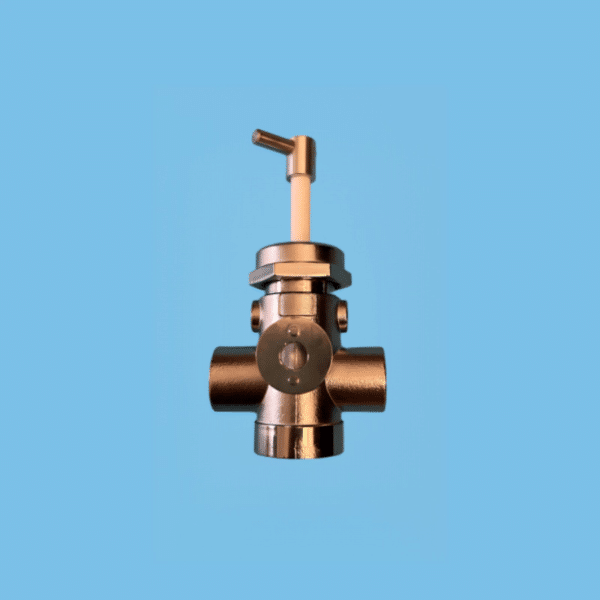
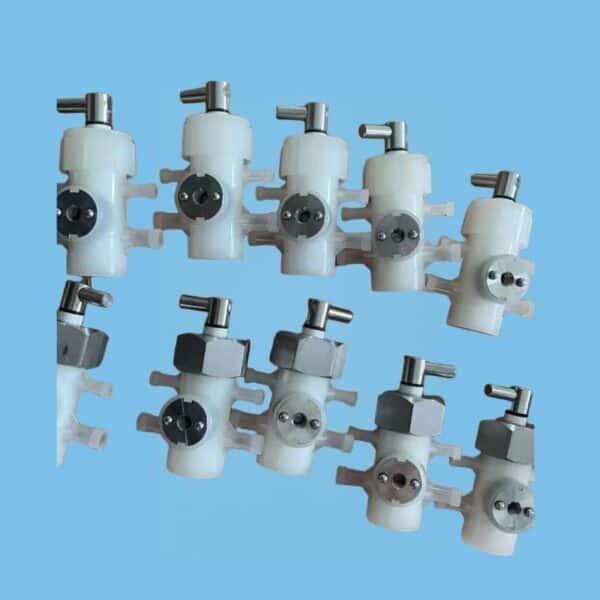
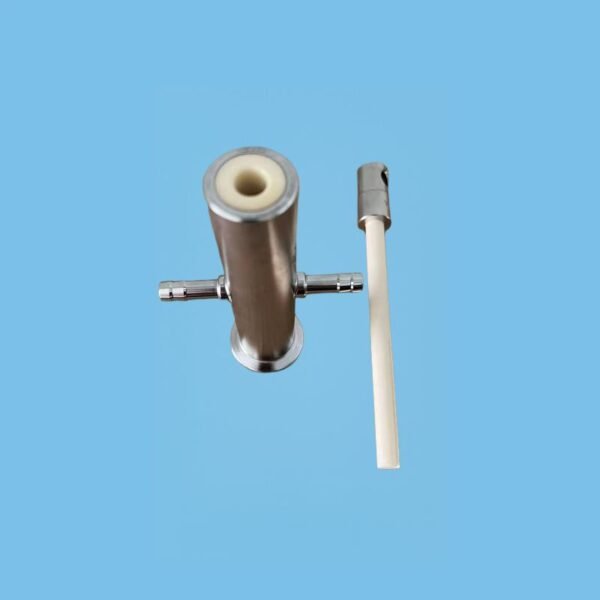
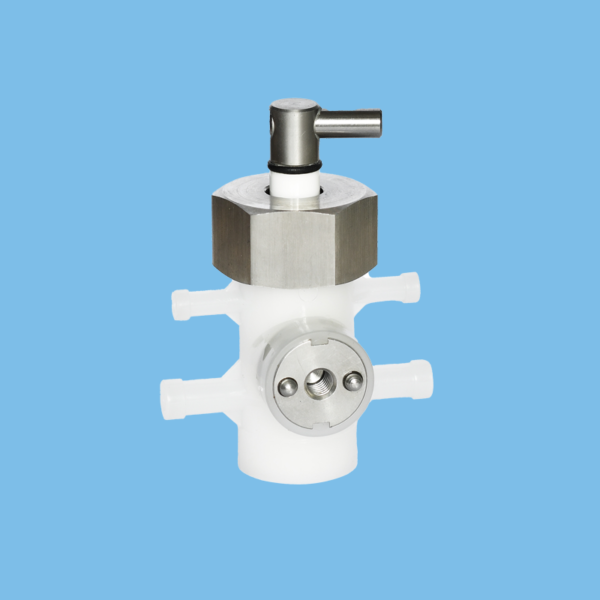
For commercial users looking to optimize their high-temperature equipment, we strongly advise transitioning to custom-engineered solutions. Utilizing a reputable manufacturer like JuchangCeramic guarantees that your advanced industrial ceramics applications are supported by rigorous quality control. Whether you require dense, machined thermal barriers or insight into complex assemblies, integrating high-quality ceramic components directly from the factory floor ensures maximum thermal efficiency and extended equipment lifespans.
Essential Comparison and Procurement Tables
| Type of Insulation | Primary Composition | Max Operating Temp | Best Suited For |
|---|---|---|---|
| Ceramic Fiber Blanket | Spun/Blown Alumino-Silicate | 1260°C – 1430°C | Furnace linings, pipe wrapping, low thermal mass applications. |
| High-Purity Zirconia Fiber | Zirconia (ZrO2) Blends | Up to 1600°C | Extreme high-temperature kilns, aerospace heat shields. |
| Dense Alumina Insulators | Solid Aluminum Oxide (Al2O3) | 1500°C – 1700°C | Electrical standoffs, rigid structural thermal barriers. |
| Dense Zirconia Insulators | Yttria-Stabilized Zirconia | 1000°C – 2000°C | High-impact structural thermal isolation, wear parts. |
| Feature | Ceramic Fiber Insulation | Solid Structural Ceramics |
|---|---|---|
| Physical Form | Flexible, porous, lightweight. | Rigid, dense, heavy. |
| Thermal Conductivity | Extremely Low (~0.1 W/mK) | Moderate to High (2 – 35 W/mK) |
| Mechanical Strength | Very Poor (Easily torn or compressed) | Excellent Compressive Strength |
| Thermal Shock Resistance | Exceptional (Immune to rapid cycling) | Moderate (Susceptible to cracking if cycled too fast) |
| Primary Use Case | Preventing heat loss in large volumes. | Load-bearing electrical/thermal isolation. |
| Pros (Advantages) | Cons (Disadvantages) |
|---|---|
| Operates safely at temperatures where metals melt and standard insulation burns. | Higher initial procurement cost compared to mineral wool or calcium silicate. |
| Low heat storage allows for rapid furnace heating and cooling cycles. | Fiber variants require protective equipment during installation to avoid respiratory irritation. |
| Highly resistant to chemical attack, oxidation, and corrosion. | Solid components are brittle and cannot withstand high tensile stress or sharp impacts. |
| Exceptional acoustic insulation properties in addition to thermal protection. | Fibers can suffer from devitrification (shrinkage and hardening) over long-term extreme exposure. |
| Application Challenge | Specification Requirement | Recommended Material Solution |
|---|---|---|
| Wrapping irregular, high-temp piping | High flexibility, low density, easy to cut. | Standard 1260°C Ceramic Fiber Blanket. |
| Load-bearing platform inside a kiln | High compressive strength, dimensional stability. | Sintered Dense Alumina (99% purity). |
| High gas-velocity furnace lining | Resistance to physical erosion and stripping. | Ceramic Fiber Board or Z-Blok Modules with rigidizer coating. |
| Thermal barrier requiring impact resistance | High fracture toughness, low thermal conductivity. | Yttria-Stabilized Zirconia (Y-TZP) structural components. |
The Bottom Line
Answering what is ceramic insulation reveals a sophisticated family of materials that form the backbone of modern high-temperature industrial processing. Whether you are lining a massive steel-forging furnace with flexible alumino-silicate blankets or isolating critical electronic sensors with dense zirconia standoffs, these materials provide thermal management capabilities that are simply impossible to achieve with conventional alternatives. By understanding the strict differences in thermal conductivity, mechanical strength, and maximum operating temperatures between fibrous and solid ceramics, you can optimize your facility’s energy efficiency and prevent disastrous mechanical failures. Partner with a proven manufacturer, specify your exact thermodynamic requirements, and invest in the absolute longevity of your operations.
Frequently Asked Questions (FAQs)
Is ceramic insulation hazardous to handle?
In most professional situations, standard refractory ceramic fibers (RCF) require safety protocols. Because the fibers are microscopic, handling them can release dust that causes mechanical irritation to the skin, eyes, and respiratory tract. Installers must wear appropriate PPE, including respirators, long sleeves, and gloves. Modern alternatives, such as alkaline earth silicate (AES) wools (bio-soluble fibers), are designed to clear from the lungs faster and are considered a safer alternative where heavy handling is required.
What is the difference between ceramic fiber and firebrick?
Firebricks (refractory bricks) are heavy, dense blocks used to build the physical structure of a furnace. They have high mechanical strength and high thermal mass, meaning they absorb and store a massive amount of heat. Ceramic fiber insulation is extremely lightweight and has low thermal mass. Using ceramic fiber instead of firebrick allows a furnace to heat up and cool down much faster, drastically reducing energy costs for batch processing operations.
Can I use solid alumina ceramics for thermal insulation?
Yes, but with caveats. Solid alumina has a relatively high thermal conductivity for a ceramic (18 to 35 W/mK), so it will conduct heat faster than a ceramic fiber blanket. However, compared to metals, it is an excellent insulator. It is primarily used when you need to physically support a load or isolate an electrical component in a high-temperature environment. If you need structural strength but lower thermal conductivity, solid zirconia is the superior choice.
Authoritative Industry References
- The American Ceramic Society (ACerS): The leading professional organization advancing the study, understanding, and application of ceramics and glass. Review ACerS Refractory Standards
- ASTM International: Specifically ASTM C892, the standard specification for high-temperature fiber blanket thermal insulation used in commercial applications. Explore ASTM Specifications
- U.S. Department of Energy (DOE): Guidelines and technical reporting on industrial energy efficiency, including the deployment of advanced refractory and insulation materials in high-heat manufacturing. Access DOE Manufacturing Data