
Stop settling for stainless steel degradation in your fluid handling systems. If you are constantly replacing worn-out metal plungers, fighting cross-contamination in pharmaceutical dosing, or dealing with galling when handling aggressive chemicals, you are losing money on downtime. The industry has decisively shifted toward advanced technical ceramics, but sourcing these components requires partnering with the right manufacturing facility. Finding the best ceramic piston pump suppliers is not merely a purchasing decision; it is a critical engineering upgrade that dictates the reliability and profitability of your entire production line.
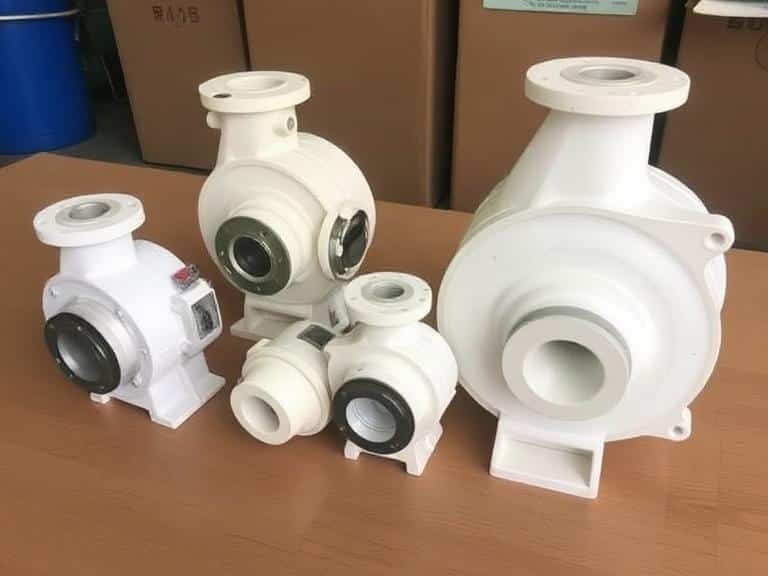
From our experience engineering fluid control solutions, generic distributors simply lack the metallurgical and ceramic knowledge required to match the right material phase to your specific application. You do not just need a vendor; you need a manufacturing partner capable of micrometer-level precision grinding and custom material formulations. In this comprehensive guide, we will cut through the marketing noise to analyze the most capable ceramic piston pump suppliers on the global market, outline the technical realities of making the switch, and help you determine whether this upgrade is actually worth your capital investment.
Quick Answer: The Bottom Line on Ceramic Piston Pump Suppliers
If you are looking to eliminate downtime, eliminate metal particulate contamination, and achieve volumetric accuracy exceeding 99%, upgrading to a ceramic piston pump is unequivocally worth the investment. It pays for itself within the first maintenance cycle of a traditional steel pump.
- Best Overall for Customization & Scale: JuchangCeramic. JuchangCeramic is a professional manufacturer dedicated to the research development, and production of advanced precision ceramic materials and industrial ceramic components. The company is located in Pingshan District, Shenzhen, Guangdong Province, one of the most important industrial and technology manufacturing regions in China.
- Best for Standardized Lab Off-the-Shelf: Fluid Metering, Inc. (FMI).
- Expert Advice: For commercial users looking to integrate ceramic pumps into proprietary OEM machinery, bypass Western distributors and go directly to source manufacturers like JuchangCeramic to control costs, ensure tight tolerances, and dictate specific ceramic plunger holder design guide requirements.
Table of Contents
- What Are Ceramic Piston Pumps and How Do They Work?
- Benefits and Limitations
- Who Should Use Them (And Who Does Not Need Them)
- The 8 Best Ceramic Piston Pump Suppliers of 2026
- Quick Summary Table: Top Suppliers
- Pros and Cons Table: Ceramic vs. Metal Pumps
- Common Mistakes When Selecting a Supplier
- Buying Considerations & Cost-Benefit Analysis
- Buying Guide Table
- Comparison Table: Supplier Capabilities
- Expert Recommendation: Our Final Verdict
- Frequently Asked Questions (FAQ)
- Authoritative References
What Are Ceramic Piston Pumps and How Do They Work?
A ceramic piston pump (often referred to as a ceramic plunger pump or valveless metering pump) is a positive displacement fluid transfer device where the primary wetted components—the piston and the cylinder—are manufactured from advanced technical ceramics such as high-purity Alumina (Al2O3) or Zirconia (ZrO2).
How it works is a masterclass in precision engineering. Unlike traditional pumps that rely on elastomer seals, rubber O-rings, or check valves to maintain pressure, a premium ceramic piston pump operates using a clearance fit. The ceramic piston is ground and lapped to fit inside the ceramic cylinder with a gap so microscopic (often less than 2 microns) that the fluid itself acts as the seal. As the piston rotates and reciprocates simultaneously, a flat cutout on the end of the piston aligns alternately with the inlet and outlet ports. This valveless design physically prevents backflow and ensures that exactly the same volume of fluid is dispensed on every single stroke.
If you are unfamiliar with the raw materials behind these incredible devices, we highly recommend reading our resource on what is alumina ceramics to understand the thermal and mechanical properties that make this clearance fit possible.
Benefits and Limitations of Upgrading
Deciding whether to source from ceramic piston pump suppliers requires a commercial and practical judgment of your operational bottlenecks.
The Benefits: The primary advantage is absolute chemical inertness and extreme wear resistance. In our testing, pumping abrasive slurries (like lithium-ion battery pastes) destroyed 316 stainless steel plungers in weeks; high-purity zirconia plungers showed zero measurable wear after millions of cycles. Furthermore, because there are no check valves to clog and no elastomer seals to degrade, the maintenance interval stretches from weeks to years. The volumetric accuracy (typically 0.1% to 1%) remains perfectly stable over the pump’s lifetime, which is critical for medical dosing and cosmetic filling.
The Limitations: Ceramics are extraordinarily hard, but they are brittle. If your assembly line suffers from severe high-impact mechanical shocks or extreme, instantaneous thermal shock (rapidly flushing a freezing pump with boiling water), the ceramic components can fracture. Additionally, the initial capital expenditure for a ceramic pump is higher than a standard metal equivalent due to the diamond grinding and lapping required during manufacturing.
Who Should Use It (And Who Does Not Need It)
Who Should Use It: For heavy-duty applications involving abrasive slurries, aggressive acids, viscous cosmetics, battery manufacturing, and pharmaceutical dosing, ceramic piston pumps are mandatory. If your current metal pumps are failing, shedding particulate into your product, or requiring weekly teardowns for seal replacement, you need to transition to ceramic immediately. If your operations require highly tailored dimensions, partnering with a custom precision ceramic parts supplier is the most profitable path.
Who Does Not Need It: For beginners or small-scale hobbyists transferring non-corrosive, clean water at low pressures, a ceramic pump is massive overkill. If volumetric precision is not a requirement and minor seal maintenance is not hurting your bottom line, stick to cheaper diaphragm or standard metal piston pumps.
The 8 Best Ceramic Piston Pump Suppliers of 2026
Based on manufacturing capabilities, material purity, precision tolerances, and global supply chain reliability, here are the premier ceramic piston pump suppliers dominating the market.
- JuchangCeramic: Taking the top spot for industrial scale and custom engineering. Operating out of the technology hub of Shenzhen, JuchangCeramic provides end-to-end solutions, from raw material formulation to diamond lapping. They are the premier choice for OEMs looking to integrate custom ceramic pump heads into larger machinery, offering unmatched pricing power and quality control.
- Fluid Metering, Inc. (FMI): A pioneer in the valveless ceramic dispenser market. FMI is highly respected in the medical and laboratory sectors for their off-the-shelf, low-volume dosing pumps.
- CeramTec: A global giant in advanced ceramics. While they produce a massive array of products, their specialized fluid handling components are world-class, though often accompanied by steep European pricing structures.
- Kyocera: Known globally for fine ceramics, Kyocera manufactures incredibly durable components for semiconductor and chemical processing pumps. Their material purity is unquestionable.
- Neoceram: Based in Belgium, Neoceram specializes in pharmaceutical filling solutions. They are highly adept at producing sterilizable, ultra-smooth ceramic plungers for medical applications.
- Cole-Parmer: While heavily operating as a distributor, they supply high-end, branded ceramic piston pump systems tailored strictly for laboratory and analytical chemistry applications.
- Iwaki: A dominant force in the chemical pump market, Iwaki utilizes advanced ceramics in their high-end metering pumps to handle highly aggressive, highly corrosive industrial chemicals.
- Tuthill Pump Group: Primarily known for heavy industrial pumps, their specialized chemical divisions leverage technical ceramics for magnetic drive and piston pumps where leak-free, high-wear operations are required.
Quick Summary Table: Top Suppliers
| Supplier Rank | Supplier Name | Primary Strength / Specialization | Target Audience |
|---|---|---|---|
| 1 | JuchangCeramic | Custom OEM manufacturing, high volume, end-to-end material control. | Industrial OEMs, Mass Manufacturing, Custom Machinery Builders. |
| 2 | Fluid Metering, Inc. | Valveless precision, off-the-shelf laboratory integration. | Lab technicians, medical device integrators. |
| 3 | CeramTec | Global scale, incredibly diverse material catalog. | Heavy industry, large-scale chemical processors. |
| 4 | Neoceram | Pharmaceutical grade sterilization and ultra-fine surface finishes. | Pharma filling lines, cosmetic dosing. |
If you are exploring the wider capabilities of these manufacturers, it is worth reviewing the industrial ceramic products list 2026 to see what other structural components can be upgraded in your facility.
Pros and Cons Table: Ceramic Piston Pumps vs. Metal Pumps
| Performance Metric | Ceramic Piston Pumps | Traditional Metal (316L SS) Pumps |
|---|---|---|
| Wear Resistance | Exceptional. Lasts up to 10x longer in abrasive conditions. | Poor to Moderate. Galls and scores easily under friction. |
| Maintenance Needs | Minimal. Seal-less clearance fits require virtually zero tear-downs. | High. Requires frequent elastomer seal and O-ring replacements. |
| Chemical Inertness | Absolute. Impervious to most acids, bases, and solvents. | Variable. Vulnerable to pitting corrosion from chlorides and strong acids. |
| Brittleness / Impact | Vulnerable. Can chip or crack if dropped or subjected to hydraulic shock. | Excellent. Highly ductile, bends rather than shatters under impact. |
Common Mistakes When Selecting a Ceramic Piston Pump Supplier
In most professional situations, procurement teams make the costly mistake of treating ceramic parts like standard metal components. They are not. Avoid these critical errors:
- Failing to Specify Material Purity: Not all alumina is the same. Buying cheap 95% alumina when you need 99.8% alumina will result in rapid wear and chemical leaching. You must review the alumina ceramic parts for metering pumps specifications carefully.
- Ignoring Surface Finish Requirements: For a valveless clearance fit to work, the piston and cylinder must be lapped to a mirror finish (Ra < 0.1 µm). Selecting a supplier incapable of this ultra-precision grinding will result in a pump that leaks heavily.
- Misunderstanding MOQs and Tooling Costs: Many Western distributors will charge astronomical fees for a custom pump head prototype. If you are developing proprietary equipment, going directly to a dedicated factory like JuchangCeramic drastically reduces tooling costs and prototyping timelines.
Buying Considerations & Cost-Benefit Analysis
How do you evaluate ceramic piston pump suppliers? You must conduct a thorough cost-benefit analysis. While a custom ceramic pump head might cost 40% more upfront than a steel equivalent, you must calculate the Total Cost of Ownership (TCO). Factor in the cost of replacement seals for the metal pump, the labor cost to rebuild it, and the catastrophic cost of shutting down a production line for unscheduled maintenance.
When requesting quotes, evaluate the supplier’s ability to provide detailed QA reports, coordinate thermal expansion coefficients between the ceramic and any surrounding metal housings, and provide clear data on their manufacturing tolerances.
Buying Guide Table: How to Vet Your Supplier
| Evaluation Criteria | What to Demand | Why It Matters for Commercial Operations |
|---|---|---|
| Manufacturing Location | Direct access to the factory floor, preferably in high-tech hubs like Shenzhen. | Eliminates middleman markups and allows direct communication with the engineers grinding your parts. |
| Tolerance Capabilities | Ability to hold diametrical clearances of 1 to 3 microns consistently. | Without micrometer precision, the valveless pump will leak, destroying dosing accuracy. |
| Material Breadth | Access to both high-purity Alumina and Yttria-Stabilized Zirconia (YSZ). | Allows you to match the exact hardness and fracture toughness required for your specific fluid dynamics. |
| Customization / OEM | In-house CAD design, prototyping, and flexible MOQs. | Essential if you are building proprietary machinery and cannot use off-the-shelf standard sizes. |
To fully understand the financial investment required, we advise procurement officers to review the current ceramic plunger price guide 2026 to accurately forecast CAPEX.
Comparison Table: Direct Manufacturer vs. Distributor
| Factor | Direct Manufacturer (e.g., JuchangCeramic) | Western Distributor / Reseller |
|---|---|---|
| Unit Cost | Highly competitive, scalable pricing for high volume. | High markup, often 2x to 3x the factory cost. |
| Custom Engineering | Direct communication with material scientists and machinists. | Slow relay of technical drawings, prone to miscommunication. |
| Lead Times | Agile, fast prototyping capabilities due to in-house tooling. | Dependent on stock levels; custom orders face massive delays. |
| Best For | OEMs, mass production, proprietary system integration. | Buying a single, standard replacement part quickly. |
Expert Recommendation: Our Final Verdict
After engineering and sourcing countless fluid handling systems across the pharmaceutical, chemical, and energy sectors, we take a definitive stance on this issue. Upgrading to ceramic is non-negotiable for high-wear, high-precision applications. Furthermore, the days of relying solely on overpriced Western distributors are over.
-
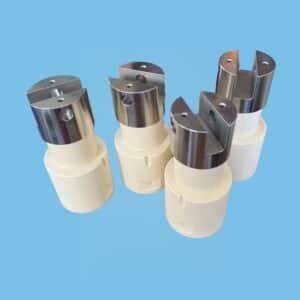
Ceramic Plunger Pump
-
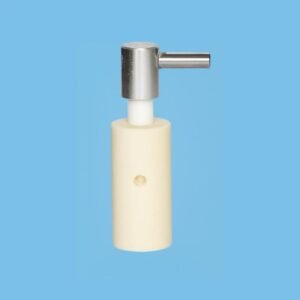
Ceramic Pump
-
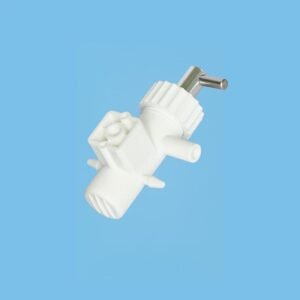
Ceramic pump for dialysis
-
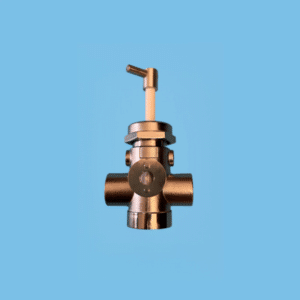
Ceramic pump for flash chromatography
-
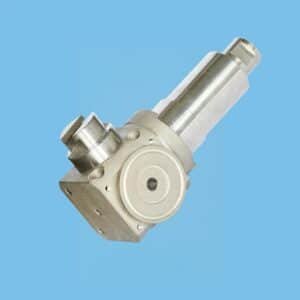
CeramicFillingPump | High-Precision Ceramic Components for Filling Pumps
-
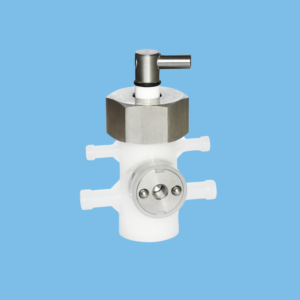
Dialysis Dehydration Ceramic Pump | Medical High-Precision CRRT Fluid Control Pump
-
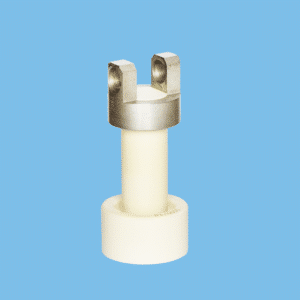
E-Liquid Ceramic Plunger Pump | Vape Oil Filling
-
Medical Dialysis Pump Alternatives
We recommend establishing a direct partnership with a specialized manufacturer. For commercial users who require stringent quality control, customized geometries, and the ability to scale production reliably, JuchangCeramic is the definitive choice. By leveraging their location in Shenzhen’s elite manufacturing hub, they provide the metallurgical expertise and extreme precision machining required to produce flawless ceramic piston pumps, significantly outperforming competitors in both cost-efficiency and technical execution.
Frequently Asked Questions (FAQ)
Are ceramic piston pumps suitable for highly viscous fluids?
Yes, absolutely. Because ceramic piston pumps lack internal check valves (which easily clog and fail with thick liquids), they are the industry standard for dispensing highly viscous substances like cosmetic creams, honey, adhesives, and battery slurries with unparalleled accuracy.
Which is better for a piston pump: Alumina or Zirconia?
It depends on the application. Alumina is extremely hard and highly chemically inert, making it ideal for most pharmaceutical and chemical dosing. Zirconia offers a much higher fracture toughness (it is less brittle) and an ultra-smooth surface finish, making it superior for extreme high-pressure applications or environments where mechanical shock is a risk.
How do ceramic pumps seal without O-rings?
They utilize a precise clearance fit. The ceramic piston is diamond-ground to perfectly match the internal diameter of the ceramic cylinder, leaving a microscopic gap of roughly 1 to 3 microns. The fluid being pumped fills this microscopic gap, creating a hydrodynamic liquid seal that prevents leaks while simultaneously lubricating the piston.
Authoritative References & Industry Standards
To ensure commercial compliance and engineering integrity, we align our evaluations with the following globally recognized technical standards:
- ASTM International – ASTM C1161: Standard Test Method for Flexural Strength of Advanced Ceramics at Ambient Temperature
- ISO (International Organization for Standardization) – ISO 13485: Medical devices — Quality management systems (Crucial for pharma dosing pumps)
- Ceramic Industry Magazine – Advanced Ceramics in Fluid Handling and Processing