
If you are still relying on 316 stainless steel or standard carbide alloys in highly abrasive, corrosive, or high-temperature industrial environments, you are actively burning capital on unnecessary downtime. The industrial landscape has shifted. Today, engineering ceramics—specifically Alumina, Zirconia, and Silicon Carbide—are outperforming traditional metals by margins that can no longer be ignored. However, navigating the sheer volume of advanced ceramic components available on the market requires deep technical understanding.
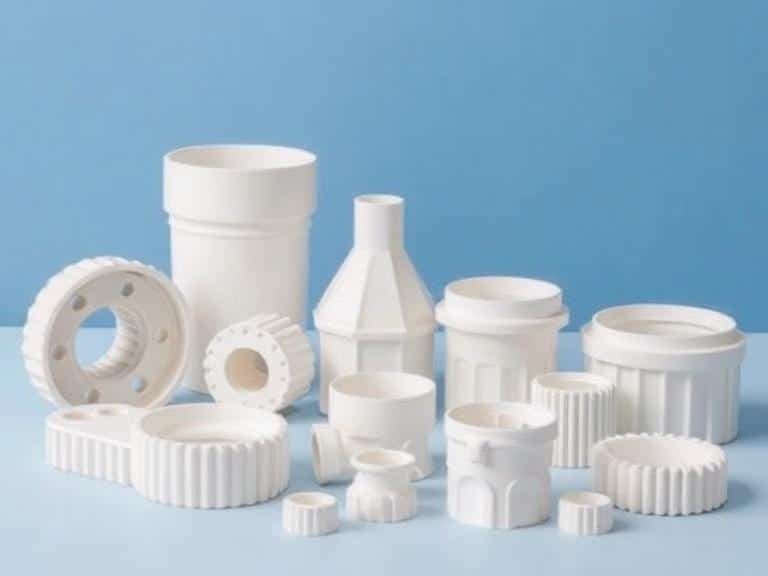
From our experience engineering fluid handling and wear-resistant systems at JuchangCeramic, specifying the wrong ceramic material for a high-impact application is just as disastrous as using standard steel in a hydrochloric acid bath. You must understand exactly what these components do, where they excel, and whether the upfront cost is justified by the operational lifespan. In this comprehensive guide, we directly answer the search intent by detailing a complete list of 20 types of ceramic machinery parts, providing you with the commercial and practical judgment necessary to upgrade your manufacturing infrastructure in 2026.
Quick Answer: What Are the Core Types of Ceramic Machinery Parts?
The most common types of ceramic machinery parts are categorized into fluid handling components, wear-resistant parts, electrical/thermal insulators, and cutting tools. The top 20 parts include: 1. Plungers, 2. Pistons, 3. Valve Seats, 4. Valve Balls, 5. Mechanical Seal Rings, 6. Bearings, 7. Shafts/Spindles, 8. Sleeves/Bushings, 9. Wear Plates/Liners, 10. Nozzles, 11. Impellers, 12. Tubes, 13. Insulators, 14. Heating Elements, 15. Welding Pins, 16. Cutting Inserts, 17. Grinding Media, 18. Extrusion Dies, 19. Substrates, and 20. Thread Guides. For heavy-duty applications, replacing metal counterparts with these advanced industrial ceramics applications reduces maintenance downtime by up to 80%.
Table of Contents
- What Are Industrial Ceramic Machinery Parts?
- How Engineering Ceramics Work
- The Complete List of 20 Types of Ceramic Machinery parts
- Benefits of Upgrading to Ceramics
- Limitations to Consider
- Comparison Table: Alumina vs Zirconia vs Silicon Carbide
- Who Should Use It & Who Does Not Need It
- Common Mistakes in Ceramic Procurement
- Crucial Buying Considerations
- Pros and Cons: Ceramics vs. Metal Alloys
- Expert Recommendation from JuchangCeramic
- Frequently Asked Questions (FAQ)
What Are Industrial Ceramic Machinery Parts?
Unlike traditional pottery, industrial (or advanced) ceramics are highly engineered inorganic, non-metallic materials synthesized under extreme pressure and temperatures. The most prominent materials used to manufacture various types of ceramic machinery parts include Aluminum Oxide (Alumina), Zirconium Oxide (Zirconia), Silicon Carbide (SiC), and Silicon Nitride (Si3N4). These materials undergo precise powder metallurgy, pressing, and sintering processes to create components that exhibit extraordinary hardness, chemical inertness, and thermal stability. For an in-depth look at material properties, we recommend reviewing our engineering ceramics material guide.
How Engineering Ceramics Work in Machinery
Ceramics work by utilizing strong ionic and covalent bonds at the atomic level, which vastly differ from the metallic bonds found in steel. These bonds prevent the free movement of electrons and dislocations, resulting in extreme hardness (often reaching 9 on the Mohs scale, just below diamond) and high electrical resistance. In machinery, this means a ceramic part will not deform, gall, or cold-weld when rubbing against another surface, making them exceptional for high-friction environments.
The Complete List of 20 Types of Ceramic Machinery Parts
Below is our definitive list of the 20 most critical types of ceramic machinery parts utilized across modern industrial sectors.
Fluid Handling & Pumping Components
1. Ceramic Plungers: Used primarily in high-pressure positive displacement pumps. They resist scratching from abrasive slurries, vastly extending packing life. If you operate in oil & gas, upgrading your equipment with a proper ceramic plunger material selection guide is essential.
2. Ceramic Pistons: Similar to plungers but used in dosing and filling machines for food, beverage, and pharmaceuticals. Their non-porous surface ensures zero contamination and easy CIP (Clean-In-Place) sterilization.
3. Ceramic Valve Seats: Paired with valve balls, these seats provide a leak-proof seal in corrosive chemical pipelines where metal seats would erode in days.
4. Ceramic Valve Balls: Used in check valves, these perfectly spherical components maintain their geometry even under continuous high-velocity fluid impact.
5. Mechanical Seal Rings: The backbone of rotary pumps. Ceramic seal faces (often Silicon Carbide) run against carbon or another ceramic face to prevent fluid leakage under extreme shaft RPMs.
6. Ceramic Impellers: Found in centrifugal pumps handling highly acidic or abrasive fluids, completely eliminating the cavitation erosion seen in cast iron impellers. For deep-dive applications, view our industrial ceramic solutions for pumps.
Motion, Wear & Structural Parts
7. Ceramic Bearings: Utilizing Silicon Nitride balls, these bearings run cooler, require less lubrication, and do not suffer from electrical arcing. The benefits of ceramic bearings make them standard in high-speed CNC spindles and wind turbines.
8. Ceramic Shafts and Spindles: Providing extreme rigidity and low thermal expansion, ensuring zero deflection in high-precision measurement tools and micro-motors.
9. Ceramic Sleeves and Bushings: Used to protect metal shafts from abrasive wear. They provide a low-friction surface that drastically reduces power consumption.
10. Ceramic Wear Plates and Liners: Bolted or glued into chutes, hoppers, and conveyors in mining operations to protect the steel infrastructure from crushing impact and sliding abrasion.
11. Ceramic Guide Pins / Rods: Used in alignment systems. Evaluating a ceramic rod vs metal rod comparison immediately shows that ceramics maintain dimensional accuracy millions of cycles longer than hardened steel.
Thermal & Electrical Components
12. Ceramic Tubes: Essential for protecting thermocouples or channeling reactive gases in furnaces. Proper ceramic tube applications in high heat environments allow operations at temperatures exceeding 1600°C.
13. Ceramic Insulators: Employed to isolate high voltages in power grids, spark plugs, and sensor housings. We strongly advocate sourcing the best ceramic insulators for industrial use to prevent catastrophic electrical shorts.
14. Ceramic Heating Elements: Often made of Molybdenum Disilicide or SiC, these parts act as robust resistors that generate intense heat for industrial kilns.
15. Ceramic Welding Pins: Used as centering pins in projection welding. They do not conduct electricity and resist molten weld spatter, making them vastly superior to coated steel pins.
Machining, Processing & Textile Parts
16. Ceramic Cutting Inserts: Used in CNC lathes to machine hardened steels at speeds that would melt traditional tungsten carbide tools.
17. Ceramic Grinding Media: Zirconia or Alumina beads used in ball mills to pulverize materials into nano-powders without introducing metal contamination.
18. Ceramic Extrusion Dies: Used in wire drawing or polymer extrusion, maintaining strict dimensional tolerances under continuous abrasive flow.
19. Ceramic Substrates: Thin, flat plates of Alumina or Aluminum Nitride used as the foundational base for high-power electronic circuits and LED heat sinks.
20. Ceramic Thread Guides: Deployed in textile manufacturing to guide high-speed synthetic yarns without fraying the thread or wearing grooves into the guide.
Benefits of Upgrading to Ceramics
In most professional situations, the ROI of transitioning to ceramic machinery parts is realized through massive reductions in maintenance intervals. A Zirconia plunger will outlast a hardened steel plunger by a factor of 10x in a saltwater injection pump. Furthermore, ceramics do not rust, oxidize, or react to strong acids and alkalis, making them the only viable option for aggressive chemical dosing.
Limitations to Consider
We must use commercial and practical judgment: ceramics are brittle. They possess incredibly high compressive strength but very low tensile strength and fracture toughness compared to steel. A sharp, direct hammer blow that would merely dent a steel part will shatter an Alumina component. Additionally, because they are so hard, machining them requires diamond tooling, which makes custom ceramic machining services more expensive upfront than CNC machining steel.
| Material Type | Key Characteristic | Ideal Application | Relative Cost |
|---|---|---|---|
| Alumina (Al2O3) | Excellent electrical insulation, good wear resistance. | Insulators, wear plates, standard pump seals. | Low – Medium |
| Zirconia (ZrO2) | High fracture toughness, handles impact well. | Plungers, scissors, wire drawing dies. | High |
| Silicon Carbide (SiC) | Extreme hardness, supreme thermal shock resistance. | Mechanical seal faces, kiln furniture. | Medium – High |
| Silicon Nitride (Si3N4) | Low density, high fatigue life, tough. | High-speed bearings, welding pins. | Very High |
Who Should Use It & Who Does Not Need It
For commercial users and heavy-duty applications: If you are managing chemical processing plants, offshore drilling rigs, mining conveyors, or medical-grade filling lines, you must upgrade to ceramic components. Analyzing a ceramic plunger vs metal plunger lifespan immediately justifies the capital expenditure.
Who does not need it: For beginners, hobbyists, or manufacturers operating low-cycle, low-pressure, and non-corrosive machinery (such as standard indoor water circulation), the high upfront cost of advanced ceramics is unnecessary. Standard 304 stainless steel or robust polymers are perfectly adequate for these light-duty tasks.
Common Mistakes in Ceramic Procurement
The most devastating mistake engineers make is doing a 1-to-1 design swap from metal to ceramic. You cannot simply take a CAD file for a steel shaft with sharp 90-degree internal corners and machine it out of Zirconia. Those sharp corners act as stress concentrators, and the ceramic will snap under torque. Ceramic parts must be designed with generous radii and chamfers to distribute stress loads.
Crucial Buying Considerations & Guide Table
| Consideration | What to Demand | Why It Matters |
|---|---|---|
| Material Purity | Specify exact percentages (e.g., 99.5% Alumina vs 95% Alumina). | Higher purity yields better corrosion resistance and hardness, but increases brittleness and cost. |
| Surface Finish (Ra) | Diamond polished to Ra 0.1 or better for dynamic seals. | A rough ceramic surface will immediately shred the opposing packing material or carbon seal face. |
| Tolerancing | Specify post-sintering precision grinding. | Ceramics shrink up to 20% during firing. Precise fits require expensive diamond grinding after firing. |
| Pros of Advanced Ceramics | Cons of Advanced Ceramics |
|---|---|
| Impervious to oxidation and almost all chemical corrosion. | Low fracture toughness; susceptible to shattering upon hard impact. |
| Extreme wear resistance; outlasts steel 10x to 15x. | Cannot be welded or easily modified once sintered. |
| Maintains mechanical integrity at temperatures exceeding 1000°C. | High initial procurement and precision grinding costs. |
| Electrically and thermally insulating (material dependent). | Requires specialized engineering to avoid sharp internal corners. |
Expert Recommendation from JuchangCeramic
In our testing and daily interactions with global plant managers, the hesitation to transition to advanced ceramics is almost always rooted in the fear of part fracture. We recommend mitigating this risk by partnering with a manufacturer who understands the nuances of ceramic engineering design, rather than just a basic machine shop.
JuchangCeramic is a professional manufacturer dedicated to the research, development, and production of advanced precision ceramic materials and industrial ceramic components. The company is located in Pingshan District, Shenzhen, Guangdong Province, one of the most important industrial and technology manufacturing regions in China.
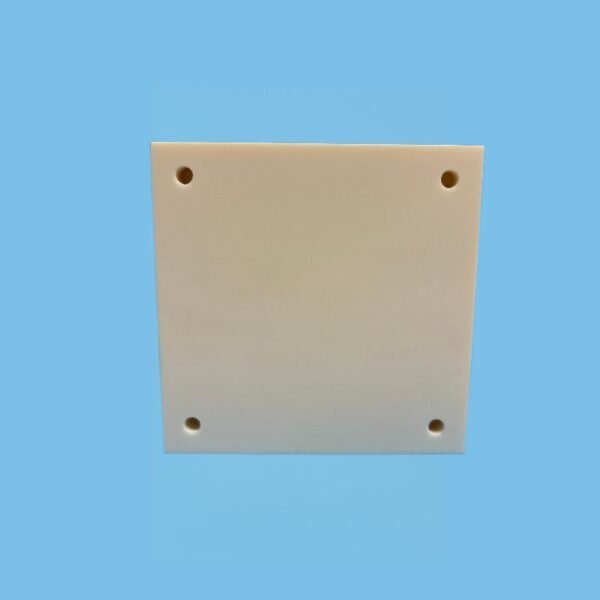
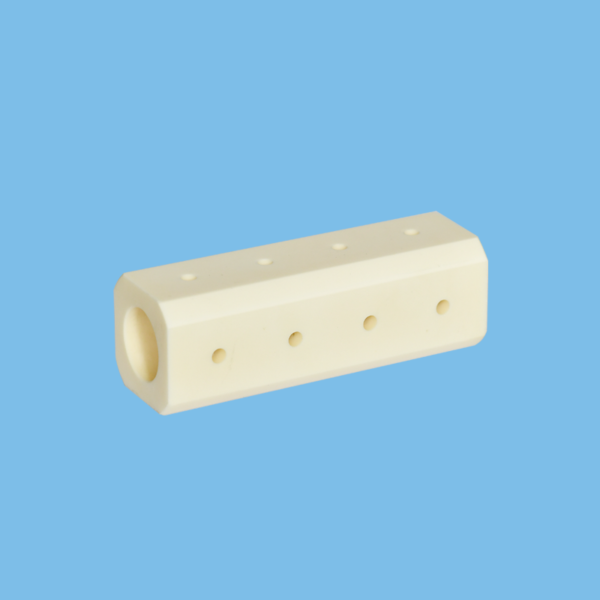
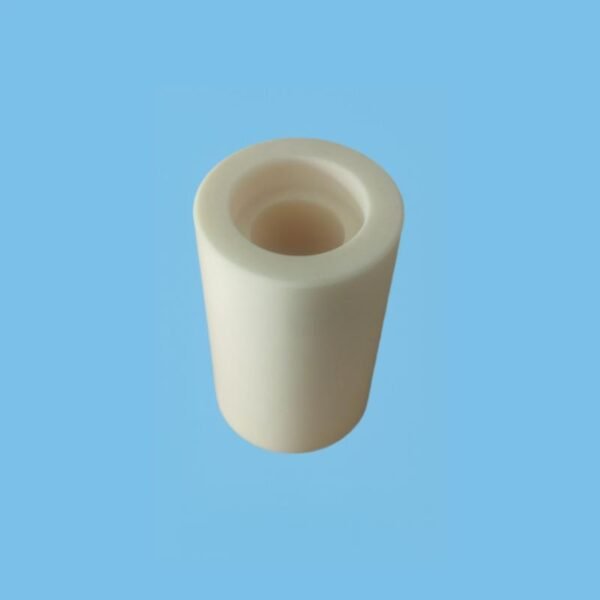
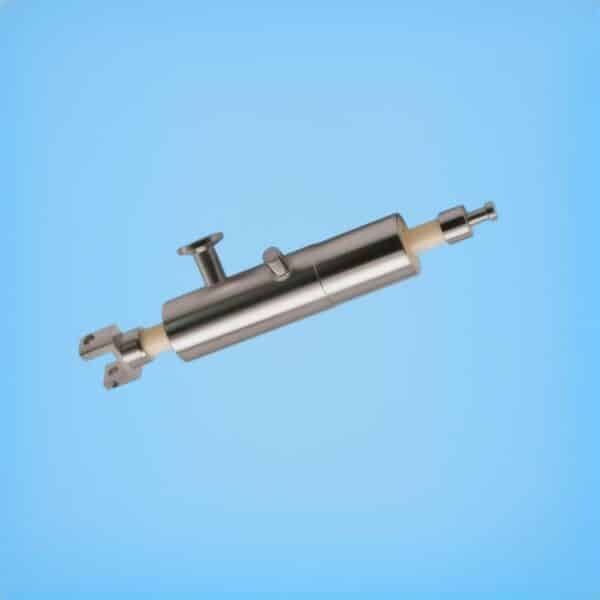
Whether you need FDA-compliant Zirconia metering pistons or heavy-duty Silicon Carbide mechanical seals, we strongly advise transitioning your high-wear metal parts to engineered ceramics. The upfront cost is higher, but the elimination of unexpected catastrophic failures and the drastic reduction in maintenance labor makes it one of the most profitable upgrades you can execute on your factory floor.
Frequently Asked Questions (FAQ)
Are ceramic machinery parts stronger than steel?
Ceramics possess significantly higher compressive strength, hardness, and rigidity than steel, which makes them vastly superior in applications involving friction, sliding abrasion, and chemical corrosion. However, they have much lower tensile strength and fracture toughness. This means a ceramic part will shatter or chip under a heavy, blunt impact that would normally just dent or deform a steel part.
What are the most common types of ceramic machinery parts?
As outlined in this guide, the most widely utilized types include fluid handling components (ceramic plungers, pistons, and mechanical seal rings), wear components (chute liners and high-speed bearings), thermal components (insulator tubes and heating elements), and cutting tools used in heavy-duty CNC machining operations.
Can industrial ceramic parts be machined after they are made?
Yes, but it is a complex and costly process. Once an advanced ceramic part goes through the sintering (firing) process, it achieves its final extreme hardness. It can no longer be cut, drilled, or milled using standard steel or carbide tooling. It requires specialized CNC machines equipped with diamond-impregnated grinding wheels and heavy coolant flooding to achieve precise final tolerances and surface finishes.
Authoritative References & Industry Standards
To ensure your engineering specifications meet global industrial standards, we highly advise consulting the following authoritative bodies regarding advanced technical ceramics:
- The American Ceramic Society (ACerS): The premier organization providing peer-reviewed research, material testing standards, and mechanical property data for advanced technical ceramics. Explore ACerS Resources
- MatWeb Material Property Data: A comprehensive engineering database offering exact compressive strength, thermal conductivity, and hardness metrics for various grades of Alumina, Zirconia, and Silicon Carbide. Review MatWeb Ceramic Data
- ScienceDirect: Access to rigorous, peer-reviewed engineering journals detailing wear analyses, corrosion resistance testing, and tribological performance of ceramic components in heavy industry. Access ScienceDirect Engineering Journals